
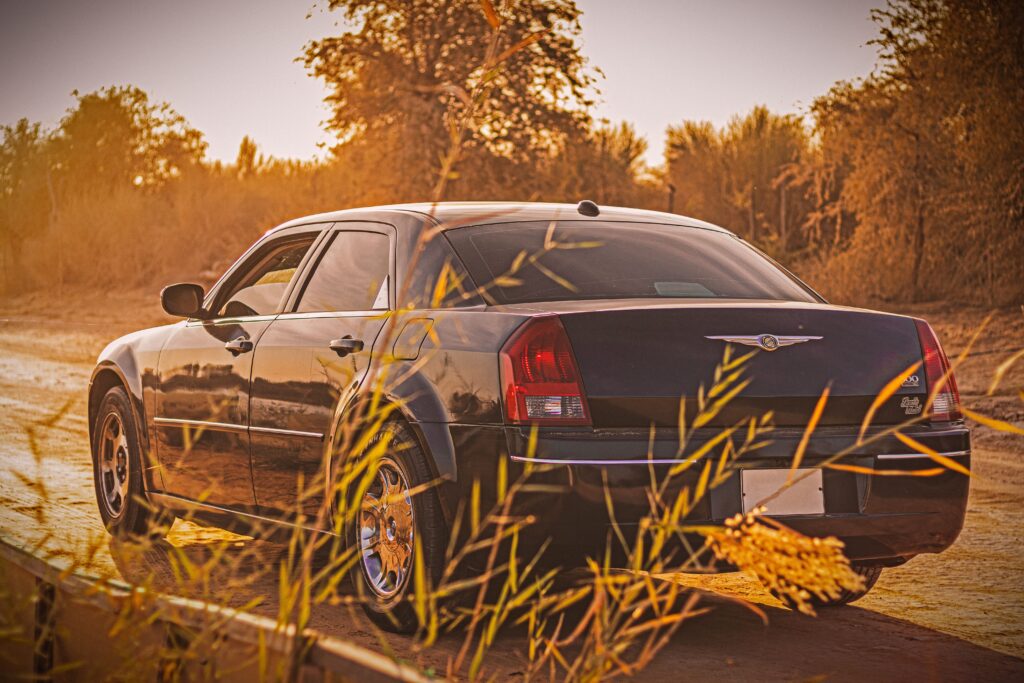
This is a collaborative post: The history of Chrysler is intricately woven into the tapestry of the American narrative. Established in 1925 and presently under the ownership of Fiat Chrysler Automobiles (FCA), Chrysler has significantly contributed to the nation’s identity, economy, and cultural heritage. When you glance at any vehicle manufactured by FCA today, a distinct VIN number catches your eye. This series of numbers is more than a mere identifier; it holds the key to unveiling the precise details of the vehicle.
Volkswagen, a name synonymous with automotive innovation, boasts a history equally as captivating. Rooted in the tumultuous 1930s, Volkswagen emerged as a symbol of resilience and engineering excellence. The iconic Beetle, with its distinctive design, became a global sensation. Volkswagen’s commitment to precision and performance echoes through its vehicles to this day.
The Significance of VINs
VINs are used to identify vehicles, track their history and ownership, and ensure safety and compliance with regulations.
In the United States, every car or truck has a 17-digit code that identifies it uniquely from all other vehicles in existence. This number can be found on your vehicle’s title or registration documents as well as its windshield sticker (if applicable). The first six digits identify the manufacturer of your car; this allows them to quickly determine whether it was made by Ford Motor Company or Toyota Motor Corporation for example. The next five digits represent model year information such as year/month/day and trim level (for example 1B5FH5B1355M2188). The last digit represents where the vehicle was built within that factory in this case “M” stands for Michigan Assembly Plant where most Fusions were assembled during the 2013 production years.
The Evolution of Chrysler Models
When you think of Chrysler, you probably think of the company’s long and storied history. Chrysler history by VIN, for instance, offers a detailed look into the legacy of this iconic automaker. It’s important to note that Chrysler has been a part of American culture for over 100 years, producing many iconic vehicles, including the original Dodge Viper and Jeep Wrangler, which have become cultural icons in their own right.
Chrysler has also played a significant role in our economy since its inception. It was one of four companies that helped create America’s industrial boom during World War II, alongside Ford Motor Company, General Motors Corporation, and Studebaker Corporation. After WWII ended, these four automakers were able to use their production facilities at full capacity thanks to new consumer demand for cars and trucks. This demand was brought about by returning soldiers who wanted something better than what they had before joining up with Uncle Sam!
The Introduction of VINs
The VIN stands for Vehicle Identification Number, and it’s a unique identifier for every car. The number is used by law enforcement agencies to track stolen vehicles, as well as by dealerships when purchasing parts or selling cars.
The use of VINs dates back to the 1950s when they were first introduced as part of an effort to reduce auto theft. Today, they’re still important for everything from insurance claims and maintenance records to buying parts onlineand if you want to decode your own vehicle’s VIN yourself (which can help determine its history), we’ve got a guide on that too!
Decoding History
Vw vin decoder, or Vehicle Identification Number, is a crucial tool for understanding your Volkswagen’s unique identity. The VIN consists of 17 digits, which are divided into three sections:
- The first digit indicates the country of origin (e.g., 1=USA)
- The second section contains manufacturer codes for domestic manufacturers and optional equipment installed on the car such as airbags or anti-lock brakes (e.g., B=Buick). This can also be used to determine if the car was sold in Canada or Mexico because these countries have their own set of codes instead of using those from the United States alone; A=Chrysler Canada has been known to use letters instead of numbers when making models such as PT Cruiser!
Chrysler and Volkswagen: Shaping Automotive and Cultural History
Chrysler’s enduring legacy reaches far beyond the automotive world, leaving an indelible mark on American culture. Notably, its pivotal role in World War II contributed significantly to the war effort by producing tanks and aircraft engines. Beyond wartime efforts, Chrysler’s innovation as an automaker set the stage for industry giants like Ford, GM, and Honda, transforming the automotive landscape.
Furthermore, Chrysler’s influence extended to its hometown, Detroit, shaping the city’s identity as “The Motor City” and fostering industrial innovation.
Similarly, Volkswagen has had a profound impact on global culture with its iconic vehicles like the Beetle, symbolizing resilience and precision engineering. This German automaker has become an emblem of excellence, capturing the hearts of car enthusiasts worldwide.
Exploring the histories of Chrysler and Volkswagen reveals their significant contributions to both the automotive industry and broader cultural history, shaping the past and driving innovation into the modern era.