
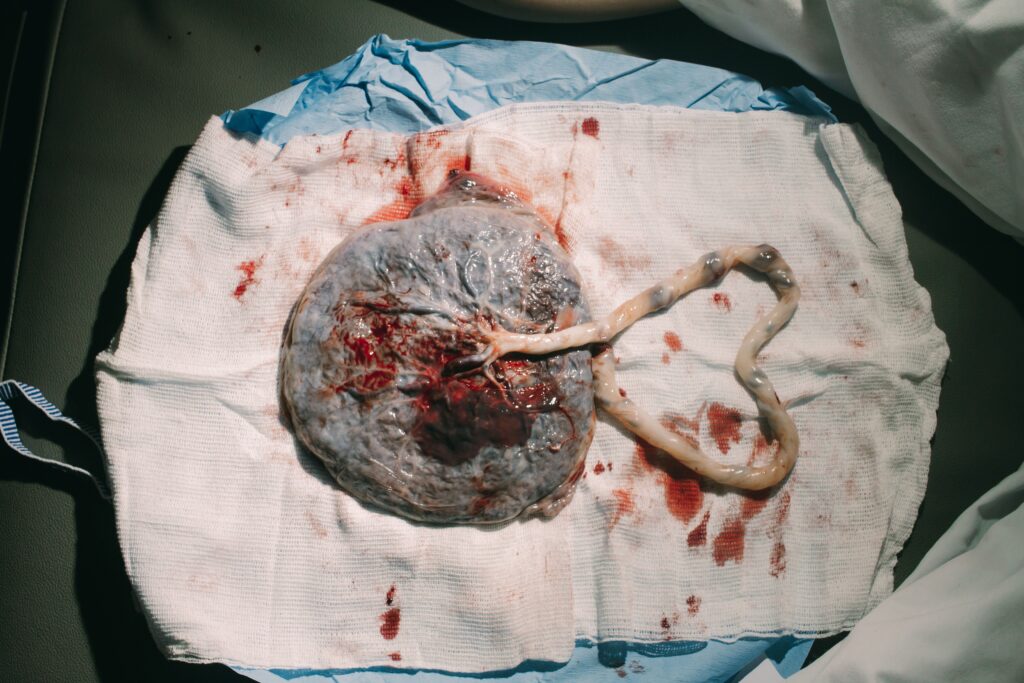
This is a collaborative post: The umbilical cord is a marvellous thing. It’s a link from mother to baby throughout pregnancy. It has many more properties than you may know. Here are 5 facts about umbilical cords from Cells4Life:
Lifeline Between Mother and Foetus: The umbilical cord is a vital structure that connects the developing foetus to the placenta in the mother’s womb. It serves as a lifeline, providing essential nutrients and oxygen to the foetus and removing waste products.
Wharton’s Jelly
The core of the umbilical cord contains a gelatinous substance called Wharton’s jelly. Wharton’s jelly provides structural support and protection to the blood vessels within the cord. It also contains a significant number of mesenchymal stem cells (MSCs), which have the potential to differentiate into various cell types.
Stem Cell Source
Umbilical cords are a rich source of stem cells, including hematopoietic stem cells (HSCs) and MSCs. Hematopoietic stem cells are crucial for blood and immune system development, while MSCs can differentiate into bone, cartilage, and other tissues.
Cord Blood Banking
Umbilical cord blood is the blood left in the placenta and umbilical cord after a baby has been born and the cord has been cut. It contains hematopoietic stem cells, which can be collected and stored in cord blood banks. This preserved cord blood can be used in medical treatments, such as bone marrow transplants, to treat various blood disorders, leukaemia, and other diseases that require stem cell transplantation.
Research and Regenerative Medicine
Stem cells from umbilical cords are valuable for research and regenerative medicine. They hold the potential to develop therapies for a wide range of conditions, including neurodegenerative diseases, heart disease, and spinal cord injuries. Their ethical and non-invasive sourcing makes them an attractive option for medical research.
In summary, umbilical cords play a crucial role in foetal development, and after birth they are a valuable source of stem cells that have the potential to be used in various medical applications, including regenerative medicine and transplantation.
You can find out more about cord blood banking at Cells4Life.com, American readers can find out more about cord blood banking in the US here.