
Hair loss is a common concern for many people, regardless of age or gender. While it’s natural to lose a certain amount of hair daily (around 50-100 strands, according to Simple Online Pharmacy) excessive shedding can be quite distressing. However, by adopting proper hair care habits and making thoughtful lifestyle choices, minimising hair loss is achievable.
Here are several effective strategies to help reduce hair loss and promote healthier, stronger hair.
1. A Healthy Diet can Contribute to Stronger Hair
One of the key factors in minimising hair loss is maintaining a well-balanced diet. Hair is primarily composed of a protein called keratin, so incorporating sufficient amounts of protein-rich foods like eggs, fish, and beans can help strengthen hair. Additionally, iron is crucial for hair growth, as it supports red blood cells in carrying oxygen to hair follicles. Foods such as spinach, lentils, and lean meats are great sources of iron. Don’t forget to include essential vitamins like Vitamin A, Vitamin C, Vitamin E, and Biotin, all of which play a role in maintaining healthy hair. An all in one vitamin like Perfectil could be useful here.
2. Avoid Over-Styling and Heat Damage
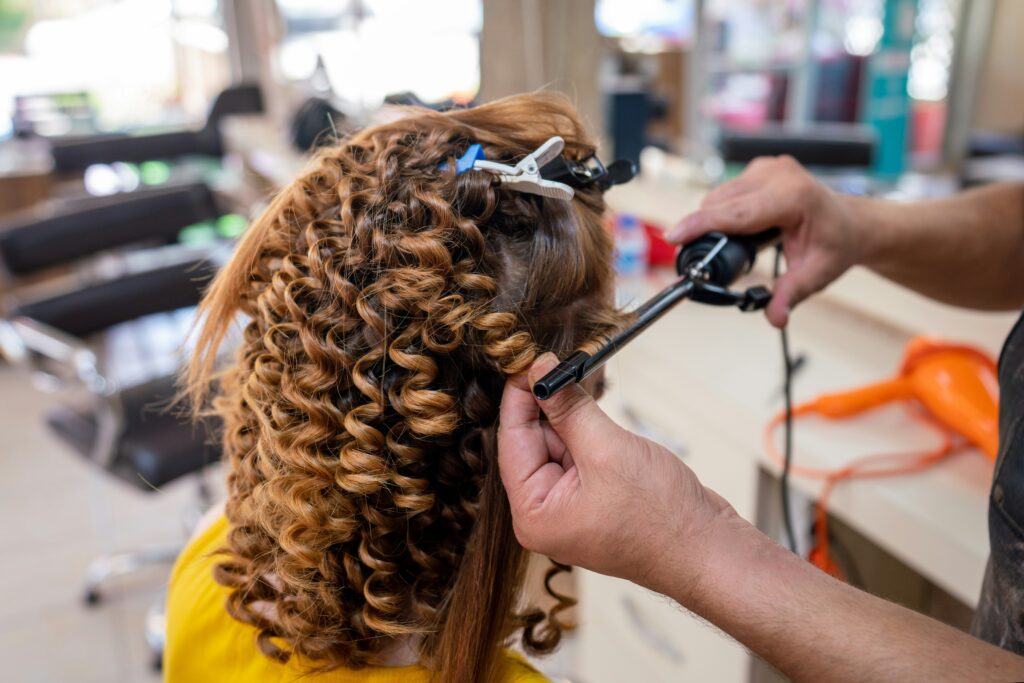
Excessive use of heat styling tools like straighteners, curling wands, and hair dryers can lead to weakened hair strands and breakage and over time and can contribute to significant hair loss. Limiting the use of heat tools, applying a heat protectant spray before styling, and opting for air drying when possible can help minimise damage.
Chemical treatments, including hair dyes, relaxers, and perms, can also stress your hair, leading to breakage. Try to space out these treatments leaving a minimum of six weeks between dying sessions particularly if bleach is involved, and always use a deep conditioner after chemical processes to restore moisture and strength to your hair.
3. Use Gentle Hair Care Practices
Being gentle with your hair is an easy yet often overlooked way to minimise hair loss. Avoid aggressive brushing or combing, especially when your hair is wet, as it is more prone to breakage. Use a wide-toothed comb or detangling brush to gently separate knots and reduce pulling.
Additionally, avoid tight hairstyles like ponytails, braids, or buns, as these can lead to a condition known as traction alopecia, where the tension on the scalp damages hair follicles. Going for looser hairstyles will minimise strain on your hair.
4. Reduce Your Stress Levels
Easier said than done, maybe, but it’s a fact that stress can have a profound effect on your hair health. Conditions like telogen effluvium, where stress pushes hair follicles into a resting phase, can result in sudden hair shedding. Managing stress through regular exercise, meditation, and proper sleep can significantly help in minimising hair loss. If you have trouble relaxing, taking up yoga or mindfulness can not only improve overall well-being but also support healthier hair growth.
5. Take Scalp Care and Hygiene Seriously
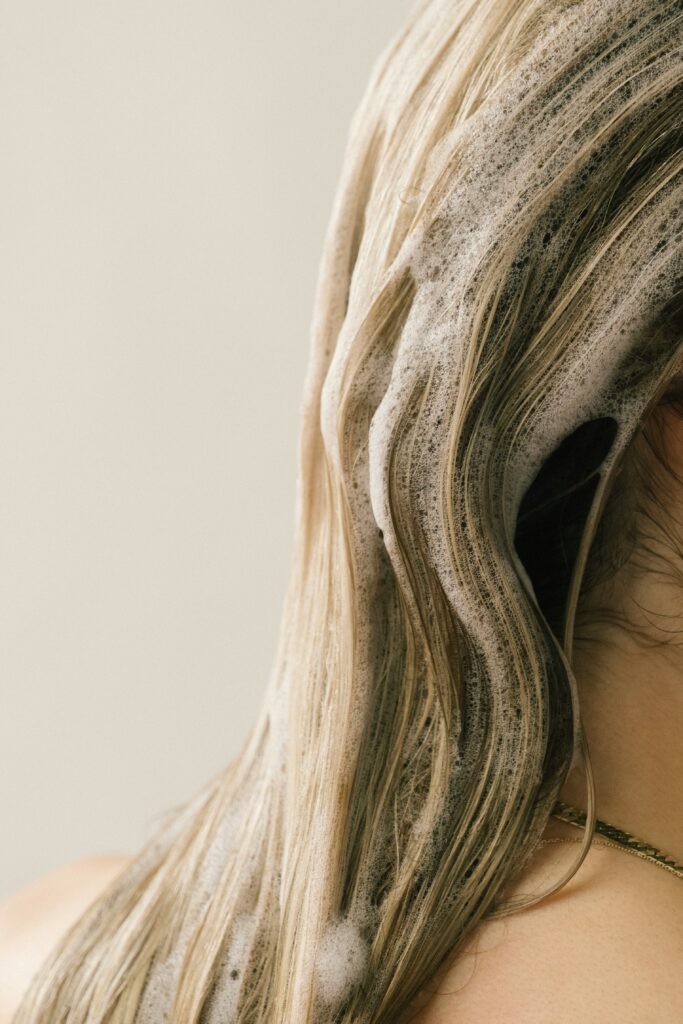
A clean and well-nourished scalp is essential for healthy hair growth. Regularly washing your scalp with a gentle shampoo removes excess oil, dirt, and product buildup that can block hair follicles and hinder growth. Massaging your scalp during washing can stimulate blood circulation, encouraging hair growth. Look for shampoos with ingredients like biotin, niacin, and caffeine, which to support hair to grow healthily.
6. Consult a Professional for Persistent Hair Loss
If you’ve tried various home remedies and your hair loss continues or worsens, it’s important to consult a dermatologist or a trichologist. Hair loss can sometimes be caused by underlying health issues including hormonal imbalances, thyroid disorders, or nutrient deficiencies. A professional can diagnose the root cause and recommend treatments like minoxidil, laser therapy, or even hair transplants if necessary.
While some level of hair loss is inevitable, adopting a proactive approach can significantly minimise its severity. By focusing on a healthy diet, being gentle with your hair, managing stress, and taking care of your scalp, you can grow stronger, longer, healthier hair. And remember, if your hair loss persists, seeking professional advice can help address any underlying conditions and offer targeted solutions.