
Rewarding challenge
Winter camping in mountain conditions is challenging but rewarding. To camp safely in extreme weather, it’s essential to know survival techniques, from choosing a secure campsite to using down insulated pants and layering effectively. This guide covers critical strategies for winter camping.
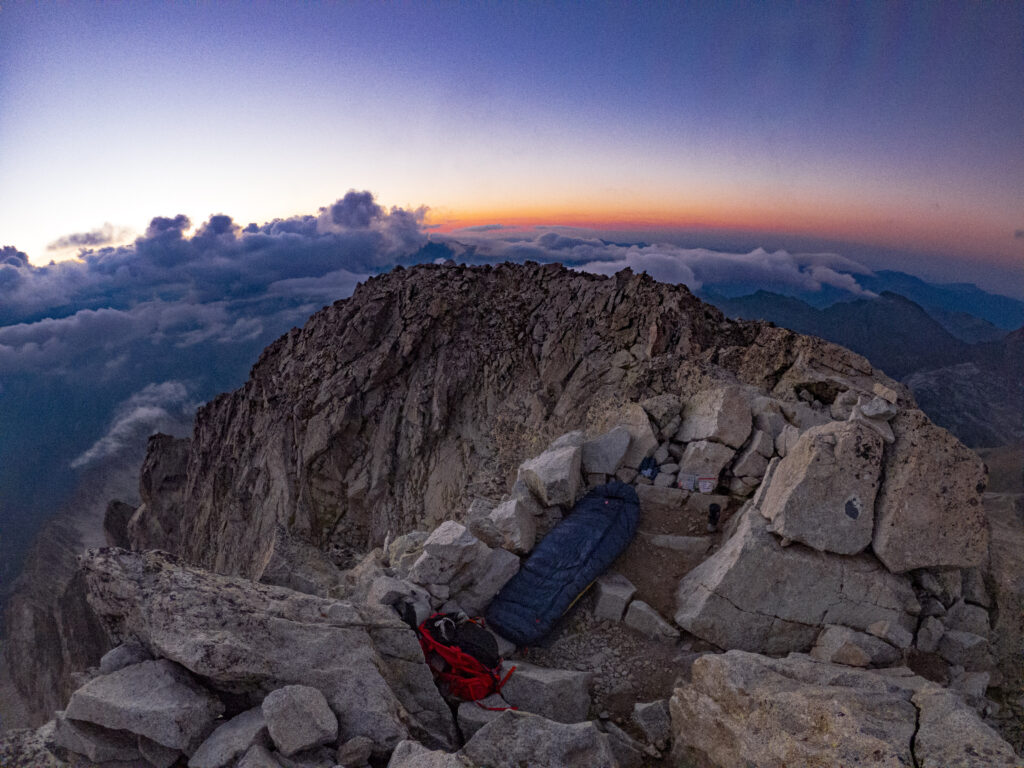
Why winter camping in the mountains is so challenging
Winter camping poses unique difficulties, including freezing temperatures, heavy snowfall, and avalanche risks. Low temperatures can drain energy, making insulation and warmth essential for survival.
Choosing the right campsite
Selecting a winter campsite carefully helps ensure safety and warmth. Find a spot shielded from harsh winds, away from avalanche zones. Avoid exposed valleys or high peaks where wind and snow build-up can be severe.
Essential winter camping gear
- Four-season tents – designed to withstand strong winds and snow with reinforced frames and insulated walls.
- Winter sleeping bags and insulation mats – a sleeping bag rated for low temperatures, paired with an insulating mat, prevents body heat loss through the ground.
- Portable heat sources – chemical hand warmers and hot water bottles provide warmth inside sleeping bags or clothing layers.
- Cooking equipment for hot meals and drinks – hot meals and drinks are vital for maintaining body temperature. Choose a portable stove that’s reliable in low temperatures, and pack high-calorie food for energy.
Clothing for winter camping
Importance of dry clothing
Staying dry is essential in winter conditions. Moisture significantly lowers body temperature, so pack extra layers and ensure your clothes remain dry.
Insulating materials for warmth
Choose high-quality insulation, such as PAJAK goose down pants, which trap heat without adding bulk. Down-filled clothing like down insulated trousers offers reliable warmth. Layer to prevent overheating and adjust layers to avoid sweating.
Building and maintaining a fire in winter
Building a fire in winter presents challenges. Use a windbreak or dig a small pit to protect flames from wind. Keep alternative heat sources ready, as snow may complicate fire-starting. Fires, when allowed, provide warmth but should always be fully extinguished before leaving.
Communication and signaling tools
Reliable communication tools are essential for mountain camping. A portable radio or satellite communicator can be lifesaving in remote locations. Headlamps, glow sticks, and LED lights improve visibility and are useful for signaling in emergencies.
First aid in extreme cold
Basic knowledge of frostbite and hypothermia first aid is crucial for winter camping. Frostbite causes numbness and discoloration as skin and tissue freeze. Hypothermia, from prolonged cold exposure, can be life-threatening if untreated. Pack a first aid kit and learn to assess and treat these conditions quickly.
Psychological aspects of winter camping
Camping in extreme cold can be mentally demanding. Managing stress and staying calm are vital in emergencies. Positive thinking, breathing techniques, and group support help maintain morale and make winter camping more enjoyable.
Surviving a winter night in the mountains takes preparation, quality gear, and resilience. Mastering these strategies increases safety and comfort, making winter camping both safe and memorable. For those new to winter camping, consult experienced campers or resources like PAJAK to learn more about mountain survival.