
Wigs have quietly become a modern beauty essential. Whether it’s for convenience, confidence, or creativity, a good wig can completely change how you feel about your look. But let’s be honest — nothing ruins the illusion faster than an obvious hairline. That’s where learning to style a lace wig properly really matters.
If you want your wig to look effortless rather than “wiggy,” the key is in the details. From prep work to daily maintenance, here’s how to make a lace wig with frontal look as natural as possible.
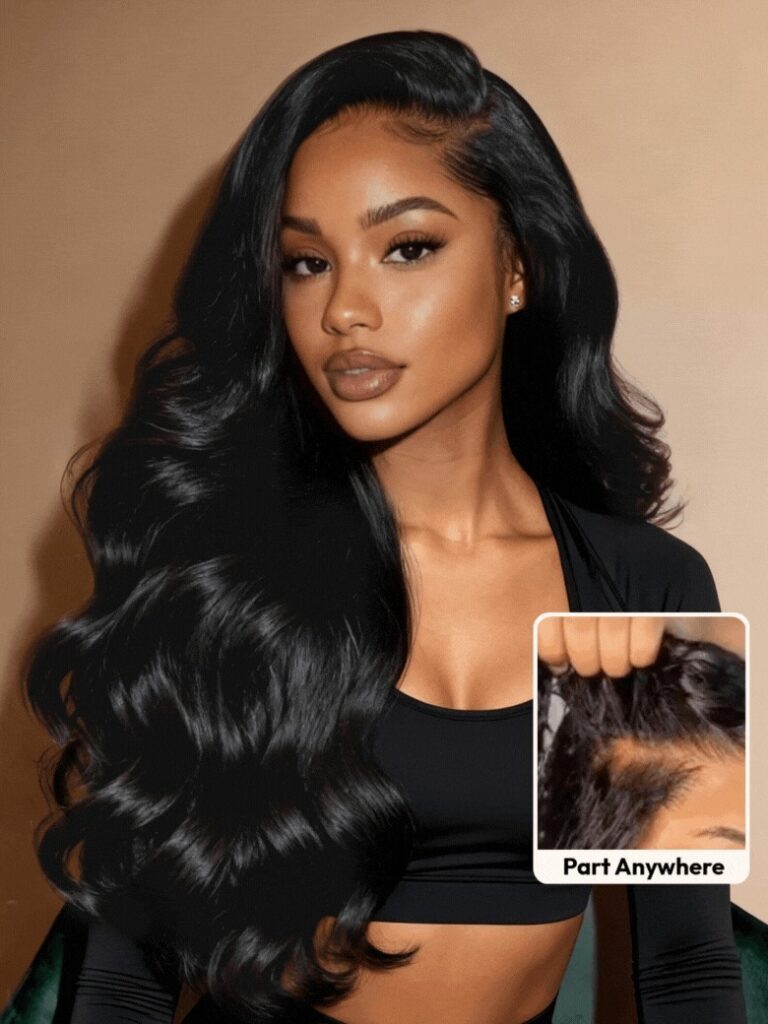
Why A Lace Wig With Frontal Looks More Natural
A frontal wig covers the entire hairline from ear to ear, allowing for flexible parting and a softer transition between skin and hair. Unlike basic lace front wigs, frontals give you more control over how the hair sits around the face.
This makes them ideal for:
Creating natural-looking middle or side parts
Styling hair away from the face
Achieving a realistic hairline for up-close wear
If you’re exploring options, starting with a quality lace wig with frontal makes the entire styling process much easier.
How To Prep Your Wig Before First Wear
Never wear a wig straight out of the box. Factory styling often leaves hair stiff and unnatural.
Start by gently washing the wig with a sulphate-free shampoo. Follow with a lightweight conditioner to soften the strands. Let the wig air dry on a stand to maintain its shape and avoid stretching the lace.
Once dry, lightly pluck the hairline using tweezers. Focus on small, uneven sections to mimic natural hair growth. Over-plucking is hard to fix, so take your time.
Getting The Hairline And Part Just Right
The hairline is where most wigs succeed or fail. To improve realism, tint the lace to match your skin tone using foundation or lace tint spray.
For darker wigs, bleaching the knots can help hide the tiny dots at the base of each strand. If bleaching feels intimidating, lace tinting alone can still deliver great results.
Use a hot comb or flat iron on low heat to flatten the roots slightly, especially around the parting. This prevents the hair from standing upright and gives a more natural fall.
Applying Your Wig For A Seamless Finish
When applying the wig, make sure your natural hair is fully flattened underneath — braids or a wig cap work best.
Whether you use adhesive, glue, or a wig grip, apply evenly and allow time for the product to set before pressing down the lace. Trim excess lace in small sections rather than one long cut to avoid harsh lines.
Once secured, style the baby hairs gently with a light edge control or mousse.
Easy Styling Tips That Keep It Looking Real
Less product equals more realism. Heavy gels and sprays weigh hair down and cause buildup.
Soft waves, loose curls, or a sleek low ponytail often look more natural than over-styled looks. Tucking hair behind the ears can also help disguise the lace edge.
If your wig starts to look tired after repeated wear, learning how to revamp a wig can bring it back to life without replacing it.
How To Maintain Your Wig Long-Term
Proper storage makes a huge difference. Keep your wig on a stand or in a satin bag when not in use. Avoid sleeping in your wig unless it’s designed for overnight wear.
Wash human hair wigs every 7–10 wears, depending on product use. Regular maintenance keeps the lace soft, the hairline clean, and the overall look fresh.
Final Thoughts: Small Details Make The Biggest Difference
A lace wig with frontal doesn’t have to look complicated or intimidating. With the right prep, careful application, and simple maintenance, it can blend seamlessly into your everyday style.
The goal isn’t perfection — it’s believability. And when your wig looks natural, you wear it with confidence.