
Helping children understand and practise gratitude can have a powerful influence on their emotional and social development. In a world where young people are often surrounded by constant stimulation and expectations, taking time to reflect on what they appreciate can encourage a more balanced and positive outlook. By exploring gratitude together, parents can help their children develop empathy, resilience, and a deeper appreciation for everyday experiences.
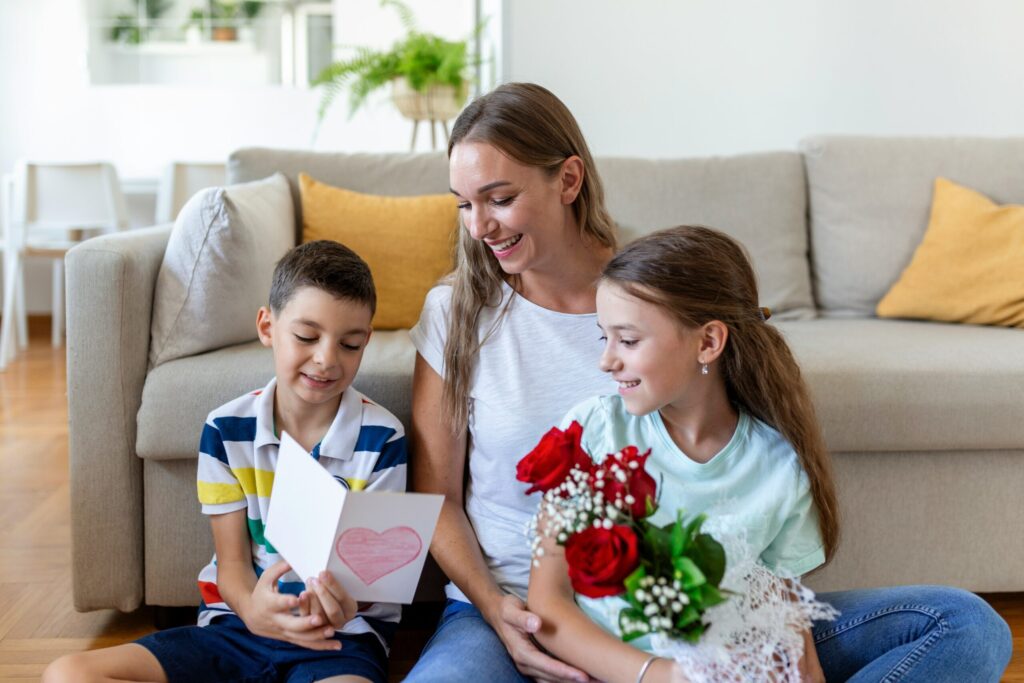
Understanding Gratitude Beyond “Thank You”
For children, gratitude is about more than polite manners. While saying “thank you” is an important starting point, genuine gratitude involves recognising kindness, effort, and support from others. When children learn to notice these things, they begin to build stronger relationships and develop a more thoughtful approach to the world around them.
Practising gratitude can also support mental wellbeing. Children who regularly reflect on positive experiences often demonstrate greater optimism and emotional awareness. Encouraging these reflections early on helps build a foundation for healthy thinking patterns as they grow.
Many independent schools, including RGS Surrey Hills, place strong emphasis on wellbeing initiatives that encourage pupils to reflect on kindness, appreciation, and community.
Making Gratitude Part of Daily Family Life
Parents can help children explore gratitude through simple, consistent habits at home. One effective approach is to create a daily moment of reflection. This might take place at the dinner table, during bedtime routines, or even on the walk home from school. Asking your child what made them smile or what they felt thankful for that day can gently guide them towards recognising positive moments.
Some families also enjoy using gratitude jars or journals. Children can write or draw something they appreciated each day and place it in the jar, or record it in a notebook. Over time, this becomes a collection of happy memories and small reminders of the good things in life.
Learning Gratitude Through Real-Life Experiences
Children often learn best through observation and shared experiences. When parents express appreciation for everyday moments, children are more likely to mirror that behaviour. Simple gestures, such as thanking a neighbour, appreciating a teacher’s efforts, or acknowledging someone’s help, demonstrate gratitude in action.
It can also be helpful to talk about how everyday comforts come from the work of many people. Discussing the effort involved in preparing food, maintaining communities, or running schools helps children understand that many individuals contribute to their daily lives.
Many educational environments reinforce these lessons. Prep schools and sixth forms frequently incorporate character development alongside academic learning, encouraging pupils to reflect on kindness, teamwork, and appreciation for others.
Encouraging a Lasting Mindset
Developing gratitude is an ongoing process rather than a one-off lesson. By consistently encouraging children to notice and appreciate positive experiences, parents can help them build a mindset rooted in awareness and compassion.
Activities such as writing thank-you notes, helping others, or volunteering as a family can deepen children’s understanding of gratitude. These experiences allow them to see how appreciation and generosity contribute to stronger communities and relationships.
Ultimately, exploring gratitude with your child is about creating space for reflection and connection. Through small conversations and thoughtful habits, families can nurture an outlook that values kindness, recognises effort, and appreciates the many positive moments that shape everyday life.