
If there is one thing I have learned about Southern Europe, it is that its people find pleasure in the simple things in life. That is why there is nothing I like more at the end of the day than uncorking a good bottle of wine and preparing a small bowl of olives. This is a Mediterranean appetizer classic that never fails. But, to elevate this experience to an almost spiritual level, we must first understand that not all olives are the same, nor do all wines dance to the same rhythm.
The secret of a good pairing between these two products lies in the balance of flavors, since the salinity and acidity of the olive can enhance the fruity notes of a wine or, on the contrary, ruin its structure if we do not know how to choose. And in my constant search for excellence, I have discovered that Antequera olives are the standard to follow when looking for authenticity and flavor, especially if they come from houses with as much tradition as Aceitunas Chicón Lebrón, an Andalusian family business that has perfected this art for generations.
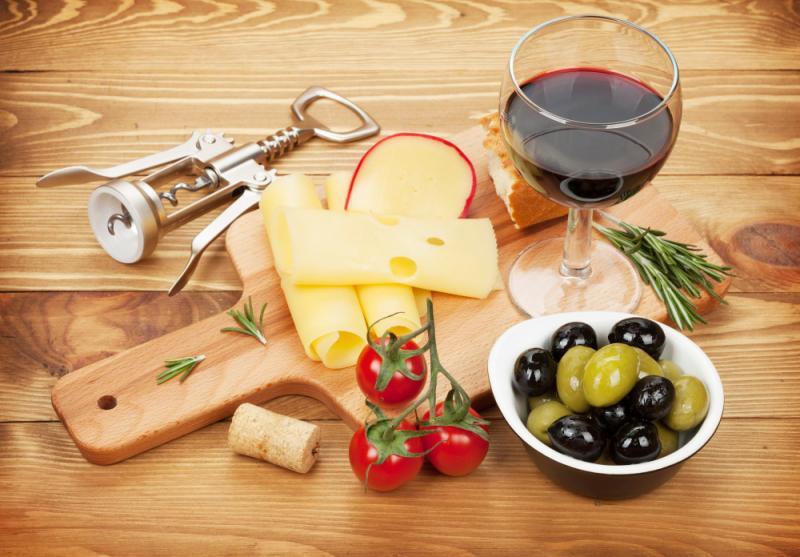
The freshness of green olives for your whites and finos
You should know that green olives, such as Manzanilla or Gordal, have a firm texture and a delicious point of bitterness that makes them the best companions for lighter, fresher wines.
If you are passionate about a dry white wine like Sauvignon Blanc, with its herbaceous notes, or a well-chilled Verdejo, then green olives are your best choice. This is because the acidity of the wine cuts through the natural fat of the olive, cleansing the palate with every bite.
On the other hand, if you like fortified and finos wines, you should know that, in the Spanish region of Andalusia, it is law to accompany a glass of Fino or Manzanilla with some olives. The reason is simple to understand: the salinity of the Sherry is enhanced by the traditional seasoning of the olives, thus creating a perfect harmony in the mouth.
Logically, at this point, I cannot help but recommend the Gordal green olives stuffed with anchovy from the Chicón Lebrón brand, as their generous size and the marine touch of the anchovy create an explosion of flavor that cries out for a full-bodied white wine or a sparkling one.
The intensity of black olives for reds with character
But as the olive ripens and turns dark, its flavor profile changes. It becomes smoother in texture but much more intense and earthy in flavor. This profile is exactly what we need when we have a red in our glass.
A young Merlot, for example, with its notes of red fruits, pairs wonderfully with cured black olives. While for a more full-bodied red like a Cabernet Sauvignon or a Syrah, which have more present tannins, black olives provide a smoothness that softens the sip, allowing the nuances of the oak and the black fruit of the wine to shine on their own.
The jewel of Antequera
Here I would like to stop a bit more at the house of Aceitunas Chicón Lebrón, a company based in the historic city of Antequera (Málaga), which leads the market in the manufacture and wholesale of high-end pickles. I must say that what I like most about them is how, despite the passing of the years, they have managed to maintain the soul of a family recipe while innovating in the sector.
In fact, their star product is the Grandmother’s cracked olives (aceitunas partidas de la Abuela), for their taste of tradition and home. But what really puts them at the head of the market is having been pioneers in creating the first pasteurized seasoned olive with 5 years of shelf life. This means you can enjoy a fresh and traditional seasoning without worrying about its preservation.
In addition, their catalog is a dream for any foodie, as they have more than 100 references, including even the most creative combinations I have tasted:
- The Manzanilla Village Dressing olives: with that rustic touch that transports you directly to the olive groves of Malaga.
- The Manzanilla olives stuffed with pickles or peppers, ideal for those moments where I feel like a crunchy and acidic touch in the appetizer.
Practical tips for your next meeting
Now, for your combination of olives and wine to be a total success among your guests, here I share a couple of golden rules that you should not forget:
- Temperature: just like wine, olives should not be excessively cold when serving them. Take them out of the fridge a few minutes before so that the natural oils of the fruit and the seasonings begin to release all their aroma.
- The seasoning matters: if the wine is very delicate, preferably opt for natural pitted olives. But if the wine is potent and spicy, cracked olives or those with herb seasonings like thyme and rosemary will be a real hit.
Don’t forget that the pairing between olives and wine is a celebration of Mediterranean culture. It is an invitation to stop time, to chat, and to enjoy the quality of the products born from the earth. So, the next time you refill your glass, make sure to have a good plate of Antequera olives nearby. We are sure your companions and your palate will thank you.