
If you’re interested in getting into the garden, bark is definitely something you should consider, both for visual and practical purposes.
Let’s explore what you should know about bark and the multitude of benefits it can offer you and your garden.
Find Quality Bark
While bark has the ability to help your outdoor space, it’s important that you invest in good bark. Poor quality options can:
- Be prone to weeds and disease, potentially spreading pests and pathogens.
- Contain contaminants like plastic, glass, or treated wood.
- Compact and block water, leading to poor drainage.
- Smell bad, which is a sign of decay and imbalance.
You can find quality and reliable bark at The Builders Supply Company Limited.
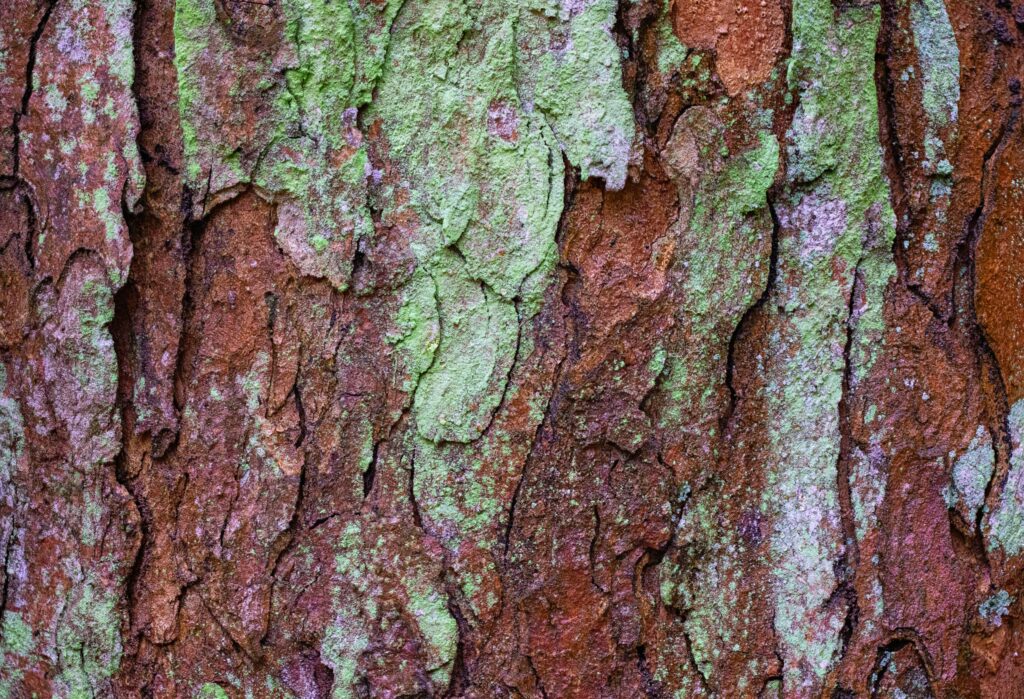
Mulch
Bark acts as a fantastic form of mulch for garden spaces and achieves the following:
Suppresses Weeds: It forms a physical barrier over your soil that blocks it from sunlight. This prevents weed seeds from forming and becoming a detriment to your plants.
Retains Soil Moisture: Bark helps to reduce water evaporation from the surface of the soil, meaning you can water less often, while roots remain moist.
Regulates Temperature of Soil: It helps keep your soil cooler when it’s hot and protects roots from frost in the winter.
Fights Soil Erosion: Bark stops rain from washing away topsoil, especially on slopes or loose planting beds. It also shields against compaction from heavy rain or foot traffic.
Pathways
While it provides huge help for soil, bark is also great for garden pathways.
It provides a natural pathway look and is comfortable to walk on, all while suppressing weeds, facilitating better drainage, providing a cheaper option than pavers or bricks, and being environmentally friendly.
Here’s how to lay a pathway with bark:
Prepare: Clear out grass and debris before digging down 2 to 4 inches along your marked out path, then level and compact your soil.
Consider Edging: You can place some edging materials along the sides, such as wood, plastic, or stone to help contain the bark.
Lay Down Landscape Fabric: Roll out weed barrier fabric on top of your path and secure it with staples or pins to help prevent weeds from growing.
Spread The Bark Out: Pour around 2 to 3 inches of bark mulch evenly on top of the landscape fabric, before raking to give yourself a neat appearance.
Decorative Purposes
Functionally fantastic, bark is also a great way to simply elevate the appearance of a garden.
It boasts a natural, earthy look, meaning it perfectly complements garden nature and plants, creating a rustic looking outdoor space.
The rough texture of bark contrasts effectively with the smoothness of leaves.
Suggestions:
- Pour bark around flower beds to give them a frame, highlighting and enhancing plant colours.
- Use it as a contrasting layer for rock gardens for a mixed, balanced finish.
- Put bark under decorative shrubs or trees to provide a polished base.
Final Thoughts
Bark is a welcome addition for garden spaces, due to its versatility. It can help soil, act as a pathway, or simply be used for decorative purposes.
Like we said earlier, get yourself some premium bark that will effectively do the job!