
For singers, performing in a choir is about more than just hitting the right notes. Stage presence, confidence, and the overall visual impact are just as important in creating a memorable performance. One often overlooked factor that influences all of these is attire. What choir members wear can affect how they feel, how they move, and even how audiences perceive them. From traditional choir robes to modern coordinated outfits, attire plays a key role in shaping both the individual performer’s confidence and the group’s cohesion.
The Psychology of Performance Attire
Clothing has a subtle but powerful effect on self-perception. Psychologists call this the “enclothed cognition” effect, meaning what you wear influences how you think, feel, and act. For choir members, wearing professional, uniform attire can create a sense of belonging and purpose. When everyone looks polished and cohesive, singers often feel more confident stepping onto the stage.
For instance, some choirs rely on trusted suppliers like Cousin’s concert attire to provide quality performance outfits. Knowing that their clothing is designed specifically for stage performances helps singers feel prepared, confident, and professional.
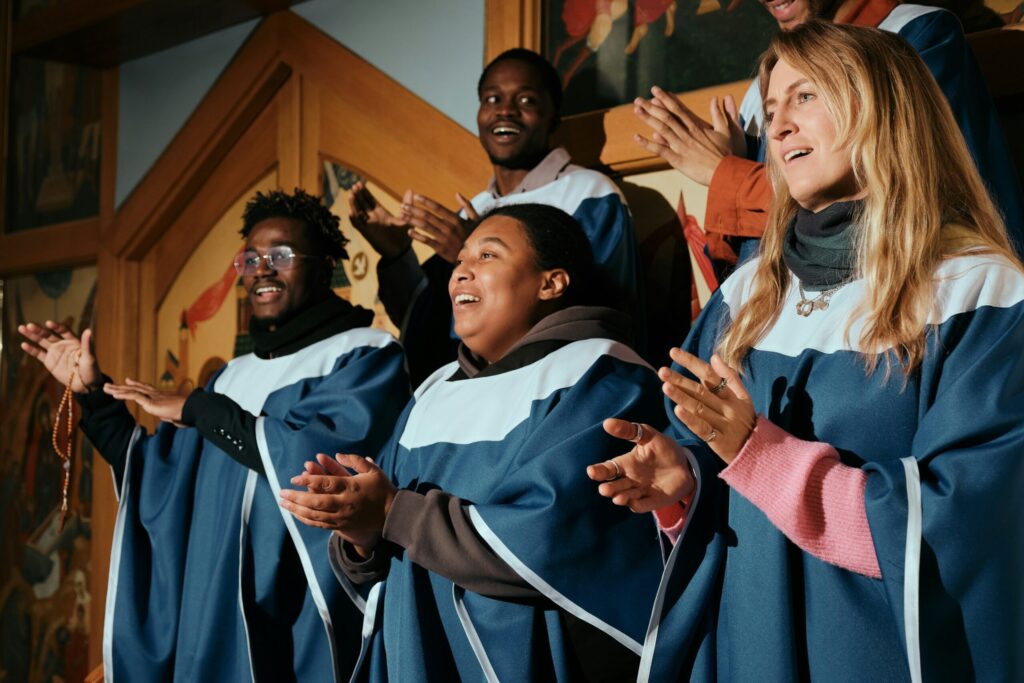
Choir Robes: Tradition and Uniformity
Traditional choir robes have long been a staple in performances, especially in schools, churches, and community ensembles. These robes serve multiple purposes. First, they create visual uniformity, keeping the audience’s focus on the music rather than individual differences in clothing. Second, robes can instill a sense of pride and tradition, connecting performers to a long history of choral music.
Robes also have practical benefits. They are designed to accommodate movement and breath control, allowing singers to perform comfortably while maintaining good posture. A well-fitting robe reduces distraction, letting singers focus on their voices instead of adjusting clothing mid-performance.
Coordinated Concert Attire: Modern Alternatives
While robes are traditional, many choirs opt for coordinated concert attire, such as matching dresses, shirts, blouses, or slacks. This style can feel more contemporary and relatable to audiences, particularly in themed or casual performances. Coordinated outfits also allow performers to express subtle individuality while maintaining group cohesion.
Even small details like shoes, ties, or accessories contribute to a sense of unity and readiness, which translates into stronger stage presence.
Practical Tips for Choir Attire
- Comfort is Key: Whether robes or modern outfits are chosen, comfort should never be sacrificed. Clothing should allow for full range of motion and proper breathing.
- Fit Matters: Ill-fitting robes or restrictive clothing can undermine confidence. Adjustable robes or properly tailored outfits ensure performers feel secure and look professional.
- Consistency: Uniformity helps the choir appear cohesive. This does not mean every detail must be identical, but color schemes, styles, and formality levels should be coordinated.
- Attention to Detail: Accessories, shoes, and grooming all contribute to the overall visual impression. Small touches can enhance confidence and polish stage presence.
- Rehearsal in Attire: Encourage singers to rehearse in their performance clothing. This helps them get comfortable with movement, posture, and any potential challenges before the big day.
Beyond the Visual: Boosting Confidence
Attire is not just about appearances. Wearing the right clothing sends a signal to both the performer and the audience. When singers feel confident in their outfits, they are more likely to engage with the audience, maintain posture, and project their voice effectively.
Final Thoughts
In choirs, attire is more than a costume. It is a tool for building confidence, creating group cohesion, and enhancing stage presence. Whether performing in traditional robes or coordinated concert outfits, the right clothing can make a measurable difference in how singers feel and how audiences perceive their performance.
For choir members and parents, paying attention to attire is an important part of performance preparation. Feeling comfortable, confident, and cohesive allows every singer to shine on stage, leaving a lasting impression both individually and as part of the ensemble.