
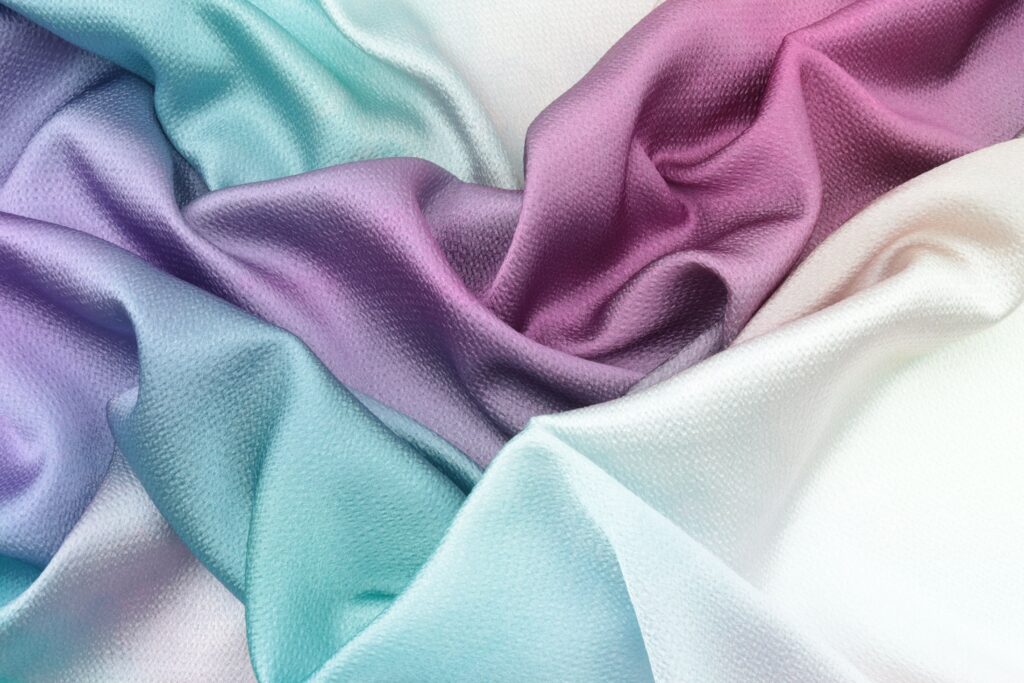
In fashion design, elements such as silhouette and color often take center stage. However, one that’s mostly overlooked is sure to provide depth and interest to your outfits—and that’s the element of texture. In technical terms, texture can be defined as the surface of a fabric. It can be coarse, fluffy, smooth, opaque, stiff, and so on. As a design element, texture adds dimension to an outfit. It’s the reason you can rock a monochromatic ensemble without looking flat or one-note.
Your use of texture in your wardrobe can significantly impact the overall look and impression you make, especially when you’re at work. Buy women’s tights and other work wardrobe staples made of varying textured fabrics, and learn how to pull together the most chic workwear ensembles. Here’s everything you need to know about “working” with texture in your outfits.
The Two Types of Texture, Plus Key Examples
The fashion design world classifies texture in two ways, namely:
1) Tactile Texture
Tactile texture is all about how fabrics feel on your skin. It can be through the luxurious smoothness of silk, the cozy warmth of wool, or the delicate softness of lace; in these cases, tactile texture adds a sensory dimension to your outfits. Moreover, the right choice of tactile texture can enhance both your comfort and style.
2) Visual Texture
Visual texture pertains to how fabrics appear to the eye. In other words, it’s the patterns, prints, and weaves that create a sense of texture, even if the fabric itself is smooth. Classic visual textures like polka dots and houndstooth can liven up even the simplest of silhouettes.
Simple and Foolproof Ways to Add Texture to Your Workwear Outfits
While there are no hard and fast rules to adding texture to your outfits, just like any other element of design, you want to strive for balance. Say you’re wearing your outfit to work or to a professional event in a field like digital marketing or small business entrepreneurship. Through what you’re wearing, you’ll want to be able to stand out and comport professionally at the same time. With that in mind, here are some tips to consider:
1) Choose Between Contrasting or Complementary Textures
One of the fundamental ways to play with texture is to decide between contrasting and complementary textures. Contrasting textures—like in a pairing of a silky blouse and leather pants—will create a bold, eye-catching effect. This will be good for a boardroom meeting or for pitch day.
On the other hand, combining complementary textures, such as a chunky knit sweater with dark denim jeans, will help you achieve a cozy, but harmonious look that’s ideal for casual Fridays.
2) Layer Different Textures
Layering is an art in itself, and when it comes to texture, there are many ways that you can showcase your creativity. Just remember that it’s better to layer a more textured fabric over a smoother one to avoid adding bulk to your figure.
For instance, you might want to dress down a delicate silk top with a leather bomber jacket to look both more stylish and more approachable at work. On the flip side, you can dress up a simple jersey knit dress and tights combo with a faux fur coat to add a touch of luxury that won’t be out of place at a special work event.
3) Accessorize with Statement Pieces
Accessories can also do a lot to add texture to an otherwise unremarkable workwear outfit. The best part is, sometimes you don’t need to stack a lot of them up to achieve a textured effect. A single textured scarf, a chunky bracelet, or a unique handbag can all elevate your outfit instantly. These statement pieces will not only draw people’s eyes toward you, but also allow viewers to enjoy a tactile element that engages the senses.
Take for example a simple maxi dress or ponte leggings and a plain white shirt or tunic. You can dress these up and look wonderfully pulled together by simply adding a substantial bib-style statement necklace to the outfit, or wearing a statement bangle or two.
4) Wear Contrasting Colors Together
Colors can also significantly influence a viewer’s perception of texture. Combining textures in contrasting colors, like pairing a white lace top with black leather pants, is a surefire way to make your work outfit pop. What’s more, the contrast between the textures and colors will achieve a dynamic and visually appealing look.
Alternatively, you can add prints with contrasting colors to create interest in your outfit. If you go this route, be more minimalist with your workwear accessories to maintain the balance in textures.
5) Consider Unexpected Combinations
Don’t be afraid to think outside the box, as the magic of fashion often lies in the unexpected. This still applies for workwear clothing, as you’ll likely want to communicate your creativity and ambition as well as your professionalism.
Experiment with combinations you haven’t tried before. Perhaps mix a chunky knit sweater with a sheer organza skirt, or pair a classic tweed blazer with some artfully distressed denims. Unusual texture combinations can make your workwear outfits more interesting and establish you as a forward thinker in terms of your company’s dress culture.
6) Go Vintage
Vintage clothing is a treasure trove for one-of-a-kind textures that you can use for your workwear outfits. Infuse your work wardrobe with some “old-school cool” in the form of crocheted tops, corduroy pants, and the like.
When putting together a vintage-inspired look, be careful not to look like you are wearing a costume for the era. Don’t hesitate to add modern elements, like a metallic smartwatch and some handsome boots, to keep your work outfit in the modern era while maintaining its textured vintage inspiration.
Texture may often be an overlooked element of fashion design, but it will pack a punch in terms of bringing dimension and interest to your workwear ensemble. Liven up your office looks with textured pieces that showcase your elegant and sophisticated taste.