
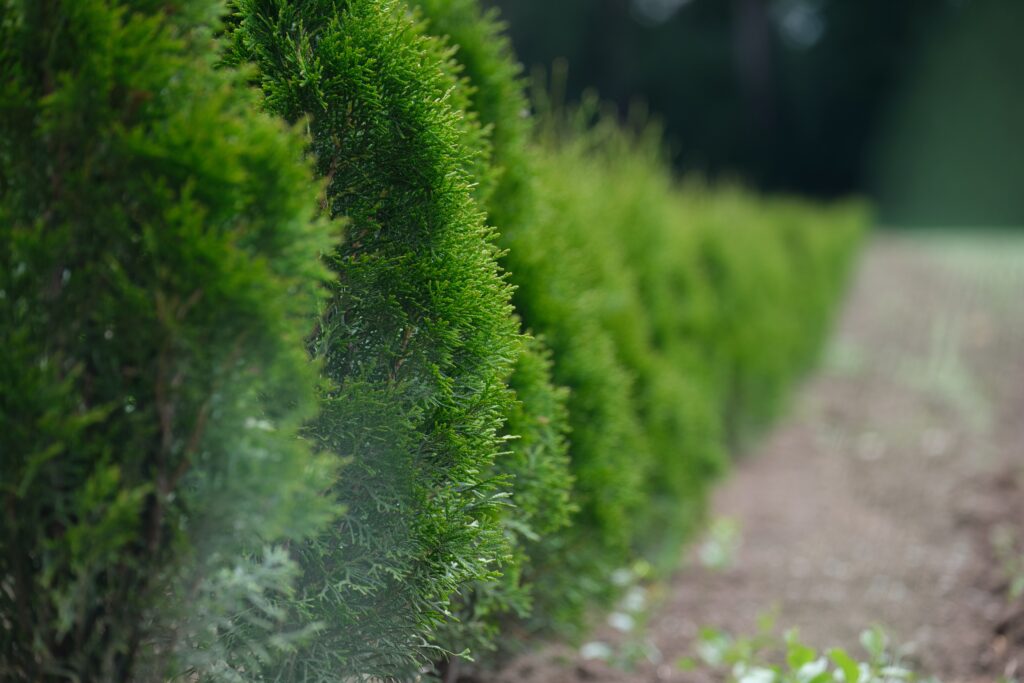
This is a collaborative post: Hedging plants can be a valuable addition to your outdoor space. These plants can be used for screening, creating boundaries, or simply as decorative accents. Whether you’re an avid green thumb or a beginner gardener, using hedging plants can offer a variety of benefits for your garden.
In this blog post, experts from Gardeners Dream give us the top five benefits of using hedging plants in your garden. With so many different types of hedging plants available, there’s a perfect one out there to fit your design scheme and gardening needs. From colourful foliage to fragrant blooms, hedging plants can provide a wide range of aesthetic benefits.
1. Hedging Plants Provide a Natural Barrier and Privacy
Hedging plants can create a physical barrier that separates different areas of your garden or even your property from the street or neighbouring areas. This can be especially useful for those who live in densely populated urban areas or those who have homes with many windows facing the street. Hedging plants can help to block out noise, create a private space for outdoor activities, and provide a natural backdrop for the rest of your garden design.
2. They can Help to Reduce Noise Pollution
The dense foliage and intricate branching patterns of hedges make them ideal for absorbing sound waves, thereby reducing noise levels in your garden. By strategically planting a row of hedging plants, you can create a natural sound barrier that will mute the sound of traffic, noisy neighbours, or other external noises. Additionally, hedging plants can create a peaceful and relaxing atmosphere in your garden, making it a more enjoyable place to spend time.
3. Hedging Plants can Help to Filter and Purify air
By absorbing carbon dioxide from the air, hedging plants trap pollutants and release oxygen as part of the photosynthesis process. This process can reduce air pollution by up to 20% in heavily populated areas, resulting in cleaner and healthier air. Some studies also suggest that hedging plants can help remove harmful chemicals from the surrounding environment. This makes hedging plants appealing for anyone looking to improve air quality in their garden or surrounding areas.
4. Beneficial to Wildlife Such as Birds and Butterflies
Hedging plants provide shelter, nesting sites, and food for many different species of birds and butterflies. As the hedges grow and mature, they can create a natural habitat for wildlife to thrive in. In addition, hedging plants can attract various insects, which are important food sources for many bird species. By incorporating hedging plants into your garden, you can create a thriving ecosystem that supports a diverse range of wildlife.
5. Using Hedging Plants can add Visual Interest
Hedges can provide a beautiful backdrop and serve as a natural fence, creating a sense of privacy and seclusion. Depending on the plant species, your hedges could produce lovely flowers or berries, which attract birds and pollinators to your garden. You can create an intriguing and dynamic garden design by choosing varieties with varying heights, shapes, and textures. Additionally, hedging plants can be positioned strategically to divide your garden into different areas, creating a sense of structure and organisation.
In conclusion, hedging plants are an excellent addition to any garden. With the benefits of privacy, noise reduction, pollution absorption, and windbreaks, it’s hard not to love the look and functionality of hedging plants. Plus, there are so many options to choose from, making it easy to select plants that work for your specific climate and aesthetic preferences. Not only do hedging plants have practical uses, but they can also add beauty and character to your yard. So, if you’re looking to add some new life to your garden, consider investing in some hedging plants.