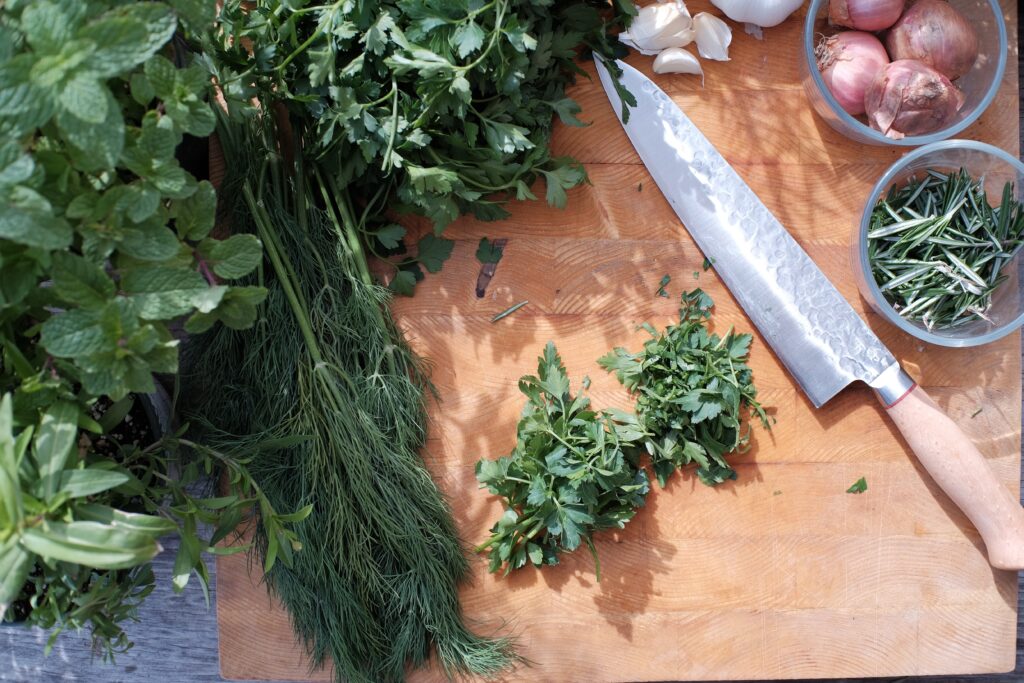
This is a collaborative post: In addition to being a fun hobby that anyone can enjoy, growing herbs indoors means year-round access to tasty, aromatic plants. Growing indoor herb plants is also economical. Instead of purchasing a bunch of fresh herbs from the store for every meal you cook, you can simply snip a couple of leaves off your nearby plant and toss them in your dish.
Indoor herb plants are generally easy to care for as well. Contrary to what you may believe, you don’t have to be an expert gardener or an experienced plant parent to successfully grow herbs indoors.
Note – if you’re interested in learning more about how to keep indoor plants, check out JustHouseplants for instructions and care guides.
5 Herbs That You Can Grow Indoors
Let’s take a look at five common herbs that you can grow indoors any time of year.
Sage
Sage (Salvia officinalis) is one of the easiest herbs to grow indoors. This earthy and aromatic herb has a bold, slightly sweet flavor. It is commonly used in foods like sausage, turkey stuffing, roast chicken, salads, and pasta dishes. It also pairs well as a garnish in gin-based cocktails.
Sage has oblong blue-green leaves and a slightly velvety texture. Sage plants can reach heights of 3 feet and produce pink, purple, white, and blue flowers in the summertime. If grown indoors, it is recommended that you cut back the flower buds before they bloom. Doing this forces the plant to put all of its energy into producing more leaves.
Caring for indoor herb plants like sage is simple. This hardy, drought-tolerant plant prefers to grow in bright, indirect light and will do well in a sunny window. It should be watered evenly and consistently when the top inch of soil is dry. Well-drained, sandy soil will help sage consistently produce strong and tasty leaves.
Rosemary
Rosemary (Salvia Rosmarinus) is an evergreen herb with a potent signature scent. Although it has a woody stem and small, thin, blue-green leaves that resemble pine trees, rosemary is a member of the mint family.
Rosemary is a great indoor herb plant to add to your windowsill. It tastes great in a variety of dishes and has reported health and medicinal benefits. Rosemary is also an excellent source of vitamin B6, iron, and calcium.
Rosemary does well in containers. However, caring for a rosemary plant is trickier than caring for other common kitchen herbs. It requires a minimum of six hours of bright, direct light per day, which can be difficult to find inside. South-facing windows are an ideal place to situate a rosemary plant to ensure its light needs are met.
This herb should only be watered when the top couple of inches of well-draining soil are dry. Overwatering rosemary can quickly lead to root rot. Pruning is also necessary to keep the stems from growing long and leggy.
Basil
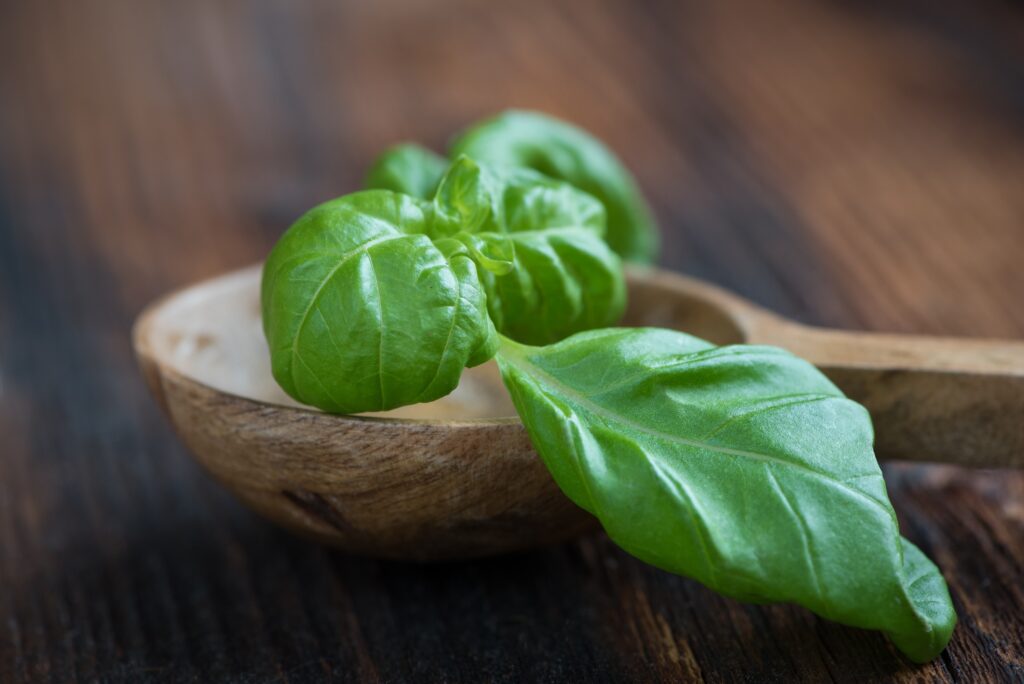
Basil (Ocimum basilicum) is an annual herb that can be grown indoors. The hardy herb originated in India and has a storied history as a medicinal plant and a tasty food ingredient in many cultures. This versatile plant’s sweet, aromatic leaves are the perfect addition to fresh summer salads or as a topping on pizza.
The most common variety found in indoor herb gardens is sweet basil. However, there are numerous varieties such as Purple Basil or Thai Sweet Basil that have different colored leaves and variations in flavor.
Standard sweet basil has oblong, cupped leaves that come to a point. They grow on opposite sides of a square stem and are a bright green color.
Basil is a fast-growing plant that requires warm temperatures and at least six hours of bright, direct light, and at least 4 hours of partial sun. They require around 1-2 inches of water per week to keep the soil moist but not saturated. Misting basil grown indoors is a useful endeavor for managing the humidity levels around the plant.
When grown indoors, it is best to snip the tops of the plant off when you want to use them for cooking. This deadheading process encourages the plant to produce more leaves, leading to a fuller and stronger plant. If the plant begins to produce blooms, you’ll also want to deadhead the flowering stems to keep the plant from going to seed prematurely.
Oregano
Oregano (Origanum vulgare) also makes the list as one of the best Indoor herb plants. It is a hardy evergreen plant that thrives in bright light and hot temperatures. It is also relatively drought tolerant and prefers dry places.
Oregano grows long, trailing stems with rounded leaves that come to a point. When left to its own devices, oregano can also grow quite bushy. The leaves emit a warm, earthy fragrance and are a common spice added to Italian and Mediterranean dishes.
This herb does well in smaller pots, which is perfect for small indoor herb gardens. Basil needs to live in a sunny window where it can receive plenty of bright, unfiltered light. They prefer morning sun over midday sun when the heat can scorch the leaves or cause them to wilt.
Basil also prefers airy, well-draining soil. It can withstand a wide variety of temperatures but should be allowed to dry out completely in between waterings.
Spearmint
No indoor herb garden is complete without spearmint (Mentha Spicata). Spearmint has a sweet mint flavor that goes well in chocolate-based desserts and cocktails. It is commonly used in holistic medicine to help relieve symptoms like headache, gas, or nausea.
The herbaceous perennial plant produces spear-shaped leaves that come to a sharp point. They are a lighter green color than common mint varieties like peppermint. The leaves contain carvone and menthol compounds which give the plant its signature minty taste.
Caring for mint is easy once you understand what it requires to thrive. They need access to full sun or partial shade and require consistent watering. The soil you plant your spearmint in should be a neutral, rich, well-draining potting mix. Given the right conditions, spearmint will produce more tasty foliage than you know what to do with.