Growing up in the 90s, we were sold a very specific version of adulthood. Glossy magazines like Sugar, Bliss, Just 17 and More, countless TV shows, and every rom-com starring Hugh Grant or Meg Ryan painted the same picture: by the time we hit 30 we’d have our dream job (probably wearing a power suit in a very trendy office), a swoony love life, an effortlessly chic capsule wardrobe in varying shades of pastel from Miss Selfridge, River Island and Jane Norman, and possibly a Manhattan loft apartment.
Cut to 2025 and here I am; still winging it, still wearing clothes I’ve had since before I had kids, and still not in possession of a Manhattan loft apartment.
Reader, it was all lies.
Here are ten lies that the 90s told us.
1. I’d live in a giant flat with all my friends
Shows like This Life convinced me that everyone left uni and immediately moved into a giant London house-share with their mates, where life was all wine, drama, love triangles, and the occasional ill-advised hook-up. Slightly unbelievable, but at least they had proper jobs to explain how they were affording rent in Zone 1.
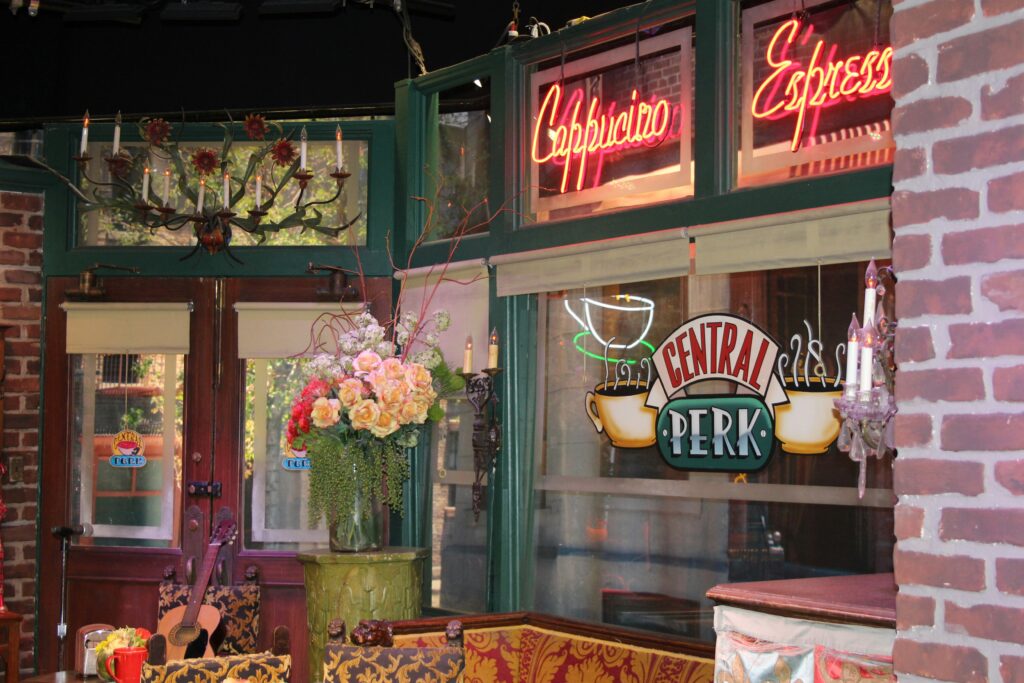
Meanwhile, across the pond, Friends told us that even a part-time waitress could swan about in a Manhattan loft the size of a sports hall, complete with exposed brickwork.
The reality? My first house share had rising damp, three different species of mould, a sofa that had probably been rescued from a skip, and a basement so creepy we were fairly sure something was actually living down there. There was (very, very cheap) wine, but the only drama (thankfully) was whose turn it was to buy the toilet roll.
2. Everything would just…make sense
Between Judy Blume novels, Just 17 problem pages, and after-school shows like Saved by the Bell or Byker Grove, the 90s drilled into us that life followed a clear script. By the time you hit 16, you’d have perfect skin, perfect hair (maybe even a Rachel cut), and you’d just… know. You’d know who you were, what you wanted, and how to French kiss. All the important stuff.
The truth? At 16, most of us were still wearing a foundation shade five tones too orange, drinking 20/20 in the park, and crying over spotty boys. And spoiler alert: I’m in my 40s now and while I’ve ditched the foundation completely (and upgraded my park wine to a chilled Sauvignon Blanc) I’d not place bets that I’m entirely done crying about boys and I’m still waiting for that big ‘everything makes sense‘ moment.
3. Free drugs would be lurking everywhere
TV made it look like drugs were lurking around every single corner. Grange Hill had the infamous ‘Just Say No’ campaign, Byker Grove gave us Very Special Episodes about pills at parties, and even Neighbours occasionally tried to terrify us with a cannabis storyline. Teachers, parents, and every school assembly warned us about the shady man who’d definitely offer us free drugs outside the gates, like they were handing them out with copies of the Beano.
The truth? Not one single stranger has ever ever offered me free drugs. Not once. Honestly, I got more off my head on those scented gel pens than I ever did from drugs.
4. Spots would vanish the second I left school
Sugar magazine swore acne was just a teenage phase, and Clearasil adverts assured us that one dab of cream before bed would reveal perfect skin by morning. What it actually revealed was peeling cheeks and a chalky white crust that made you look like you’d contracted something Victorian.
What they didn’t warn us about? That (if and when) the spots finally calmed down, wrinkles would turn up, and then the chin spots would make a dramatic comeback to join them, like a very unwelcome double act. And let’s not say too much about the chin hairs. Thanks, perimenopause.
5. Love would be a rom-com
Love stories were everywhere and they all promised the same thing: a whirlwind romance after an unlikely meet-cute, followed by happily ever after (even though the couple were, like, total opposites, naturally).
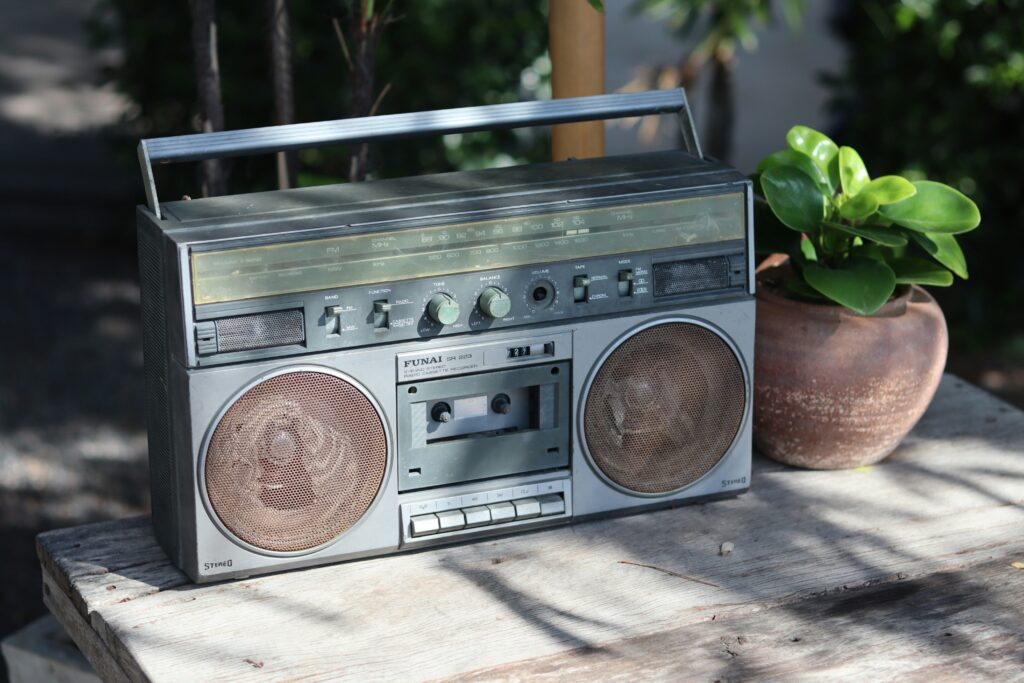
We grew up thinking one day someone would bump into us outside a bookshop à la Notting Hill, or maybe they’d declare undying devotion with a mix tape, or a boombox outside our bedroom window like in Say Anything. Perhaps they’d even dash through an airport at the last minute before boarding was called (apparently in those days you could actually run through airports without three layers of security).
But looking at it as an adult? All huge red flags. Turning up outside someone’s house uninvited with a stereo and two dozen roses isn’t romance; it’s stalking, or at best a full-scale love-bombing. Their therapist would have a field day.
Real love isn’t about grand gestures. It isn’t about running through airports or snowy streets with Hugh Grant hair. It’s about enjoying each other’s company, communicating well and making each other smile. And while some people will swear that there’s some truth in opposites attracting, trying to make a life with someone who has absolutely fuck all in common with you is obviously a really stupid idea.
It’s not cinematic, but it is real; and I think, honestly, that’s better.
6. We would have flying cars
Back when the internet meant the dulcet tones of dial-up and your mum yelling to get off the phone, we were convinced that the future would be a glossy sci-fi dream. Tomorrow’s World promised us hoverboards, kitchens that basically cooked dinner for you and flying cars like we’d seen on Back to the Future and/or the Jetsons.
Sure, we’ve all got smartphones in our pockets now and you can do a lot more than play Snake on them, but if the WiFi so much as hiccups, the whole house grinds to a halt; can’t even turn the sodding lights off. And instead of things that make our lives easier, or much more fun, we – the human race, I mean – have apparently decided to concentrate on artificial intelligence.
It can help me write a shopping list, book a holiday, or even answer my emails, but AI can also produce endless misinformation, help someone scam your grandma, and churn out reams of pointless content with absolutely no heart which is killing creativity and humour stone dead – instead of fixing the real problems of the world (like, you know, flying cars).
Technology has given us convenience, but also constant noise, constant pressure, and a vague unease that maybe the machines are having more fun than we are.

7. Agony aunts could solve our woes
As teens, we truly believed that a double-page problem spread in Just 17 held the answers to life. Crush drama? Friendship fallout? In love with your French teacher ? The agony aunt had you covered, usually with a cheery chin up! and a reminder to drink more water.
What they – and by they, I mean the entirely unqualified interns tasked with both making up the problems and delivering the solutions – didn’t mention was that the real problems of adulthood aren’t solved with a pep talk and a stock photo of two mates hugging it out. Council tax arrears, boiler breakdowns in February, and trying to budget for the dog sitter and food shop in the same week; these are not woes Claire-from-page-27 could untangle.
Turns out, there isn’t anyone who is going to solve your problems – not since Aunty Fran went into retirement, anyway. The real agony aunt of our time is Google (as long as you disregard the stupid AI results, and be aware it’ll probably just tell you you’re dying).
8. Work would be glamorous and fun
In the days when we thought 25 was old and 40 was basically the crypt, TV and films made young adulthood look like one long cocktail hour with a pay cheque attached. Sex and the City had us believing you could write one breezy newspaper column a week, live in a Manhattan apartment the size of a tennis court, and still have time to swan off to brunch in designer shoes. Ally McBeal made lawyering look like a quirky mix of courtroom zingers, bathroom gossip, and impromptu dance numbers.
Realistically, I work and freelance through the school holidays, typing away with children circling like seagulls around a bag of chips, begging for snacks every 20 minutes. The glamorous client lunches are me eating the crusts from a sandwich while muttering about deadlines.
Adulthood isn’t Sex and the City. It’s more Snacks and the Kitchen. And the shoes are not Manolos, they’re Skechers, for my old, aching feet.
9. We’d keep our childhood friends forever
The 90s drilled it into us that our mates were for life. Saved by the Bell had the gang glued together through every ridiculous scheme, Dawson’s Creek insisted that soulmates lived just across the creek, and Byker Grove showed PJ, Duncan, and the gang treating the youth club like one big, permanent family. (And hey, Ant & Dec really did make it work, but they’re the exception, not the rule. And I reckon they can’t stand the sight of each other really.)
Real life is less unshakeable, eternal bond, and more the occasional Facebook like. If you move away from your childhood town and have a family, most childhood pals quietly fade into the background with perhaps the odd idle promise to get together when everything’s less hectic – ad infinitum. If you managed to stay in touch long enough for Facebook to be a thing, you now realise you know more about their children’s gymnastic achievements than you do about their actual life.
10. The worst thing you could possibly be… was fat
The 90s were absolutely brutal when it came to body image. Every teen magazine (Just 17, Sugar, Bliss) ran constant drop a dress size in two weeks features sandwiched between articles about how to love yourself and pictures of celebrities in bikinis daring to have a spot of cellulite – sometimes helpfully circled.
Supermodels were all heroin chic; Kate Moss was the poster girl, and Bridget Jones – a supposedly average woman – was portrayed as practically enormous at a UK size 12.
The Spice Girls were peddling ‘girl power’, meanwhile every red-topped newspaper was busy calling Geri fat.
On TV, Friends had ‘Fat Monica’ as an actual punchline and it was deemed entirely acceptable.
The message was loud and clear: you could be weird, nerdy, even poor – but fat? That was the worst possible thing. We may have good memories, but really? The 1990s was toxic as fuck.
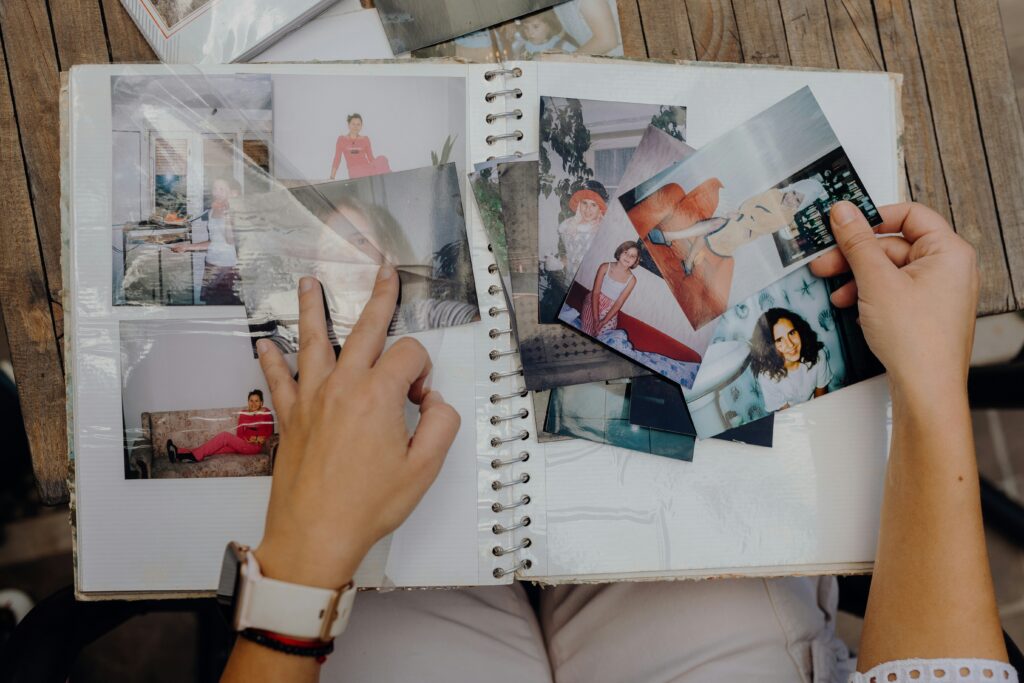
Unfortunately, the hangover from that has stuck with a lot of us. The irony is, most of us look back at old photos and think ‘actually, I looked great‘ but at the time we were convinced we were behemoth-like. A whole generation grew up thinking a normal teenage body was somehow unacceptable.
Now in my 40s, I’m trying hard to unpick it all and see my perimenopausal body in a positive light. Because honestly? The worst thing you can be is cruel, or boring, or a Reform voter. Fat doesn’t even make the list.
The 90s definitely lied to us.
About love, about work, about friendship, even about skincare. But at least we got some good things out of it: Smash Hits lyric pull-outs, Saturday morning TV with actual cartoons instead of YouTube unboxings, and the glory of Woolworths pick’n’mix.
Adulthood isn’t the glossy montage we were promised, but I’ll take what we’ve got: group chats, Aldi wine, and the nostalgic joy of hearing an old 90s banger on the radio while stuck in traffic.