
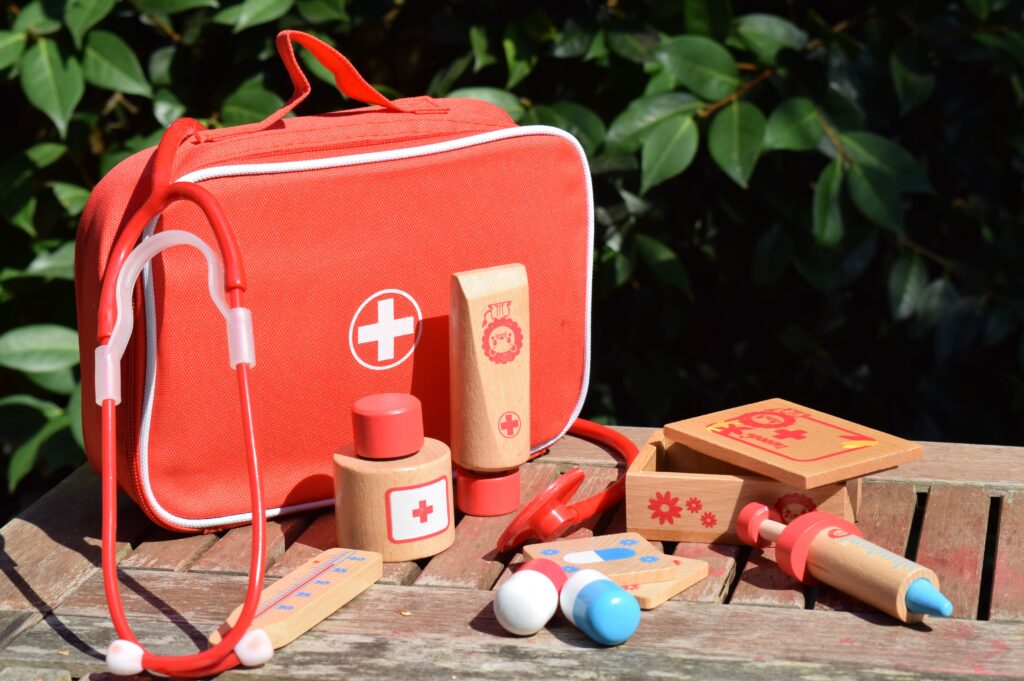
This is a collaborative post: People have cherished wooden toys for their timeless charm and educational value for a long time. In the modern digital age, these classic playthings maintain a unique role in nurturing children’s development. One remarkable aspect of wooden toys is their ability to stimulate language and narrative skills in children through interactive and imaginative play. Let’s explore how storytime with wooden toys can significantly contribute to a child’s linguistic and creative growth.
The Role of Play in Language Development
A child’s natural approach to discovering the world around them is through play. Children learn cognitive, social, and emotional skills through play. With their tactile and open-ended character, wooden toys are a perfect platform for language development. These toys encourage toddlers to act out scenarios in their heads, encouraging dialogues and storytelling.
The Benefits of Wooden Toys in Language Development
- Sensory stimulation. Wooden toys engage multiple senses, enhancing a child’s sensory perception and vocabulary.
- Open-ended play. The simplicity of wooden toys allows children to use them in various ways, promoting creativity and adaptable thinking.
- Language-rich play environment. As children play with wooden toys, they describe their actions, make-believe scenarios, and interact with their surroundings, leading to vocabulary expansion.
- Narrative building. The versatile nature of wooden toys enables children to create narratives, helping them structure ideas and develop storytelling skills.
Incorporating Storytelling with Wooden Toys
- Toy tea parties. A set of wooden tea cups, plates, and utensils can spark a tea party scenario. Encourage your child to assign roles, create dialogues, and weave imaginative stories around their tea party play.
- Building blocks adventures. Wooden building blocks can transform into a medieval castle, a bustling city, or a far-off galaxy. Prompt your child to describe their constructions, characters, and the exciting adventures that unfold.
- Wooden puzzle stories. Wooden puzzles featuring animals, vehicles, or everyday objects provide excellent storytelling prompts. Encourage your child to describe the puzzle pieces and their colors, and weave a story around them.
- Small world plays with figurines. Invite your child to immerse themselves in a miniature world using wooden figurines. Set up a scene with characters like animals, fairies, or people. Encourage your child to narrate the interactions, relationships, and adventures taking place in this enchanting microcosm.
- Seafaring adventures with wooden boats. A set of wooden boats opens the door to maritime tales. Have your child set sail on imaginary waters, navigating through storms, discovering hidden islands, and encountering friendly sea creatures. Prompt them to share the sailors’ challenges and triumphs.
- Story stones or blocks. Craft story stones or wooden blocks with images or symbols representing various elements such as animals, weather, emotions, and objects. Let your child randomly select a few pieces and incorporate them into a unique narrative, making each story a delightful surprise.
- Role-play and dress-up. Pair wooden toys with dress-up clothes or costumes to inspire role-playing. As your child embodies characters like a brave knight, a curious explorer, or a friendly chef, encourage them to narrate their adventures and experiences.
- Natural world exploration. Wooden trees, rocks, and animals can become part of an outdoor adventure. Encourage your child to explore nature-themed scenarios, like a wildlife safari or a camping trip, and weave stories that teach about the wonders of the natural world.
- Timeless train journeys. Wooden train sets offer endless opportunities. Your child can construct railway tracks that lead to exciting destinations, sharing tales of the passengers’ journeys, the places they visit, and the obstacles they overcome along the way.
Nurturing Language Skills through Guided Play
Ask Open-Ended Questions
While playing with wooden toys, ask questions that encourage your child to think and express themselves. For instance, “Who lives in the castle you made?”.
Expand Vocabulary
Introduce new words related to the play scenario. If your child is playing with a wooden farm set, introduce words like “tractor,” “barn,” and “pasture”.
Collaborative Storytelling
Engage in collaborative storytelling with your child. Start a story and take turns adding to it, allowing your child to explore different plot directions.
Creating a Language-Rich Play Environment
- Diverse wooden toy selection. Curate a collection of wooden toys that cover a range of themes, from animals and nature to vehicles and architecture.
- Reading corner. Pair storytime with wooden toys and actual storybooks. Choose books that align with your child’s current play interests for a well-rounded language experience.
- Imaginative play space. Designate a play area that encourages imaginative play. Include props and accessories that complement wooden toys, such as play scarves or miniature figurines.
Realizing the Potential of Storytime with Wooden Toys
Wooden toys stimulate language development and lay the foundation for effective communication, critical thinking, and emotional intelligence.
The Timeless Magic of Wooden Toy Stories
In our digital age, where technology frequently takes centre stage, the allure and educational value of wooden toys remains unwavering. Embracing the art of storytelling with these vintage toys can result in incredible language and narrative ability development in children. By incorporating storytelling into playtime, children gain confidence in expressing themselves, constructing narratives, and engaging with the world around them.