
Why wood panelling suddenly seems to be everywhere
There is a particular moment in many homes when you realise a room feels flat. The paint is fresh, the furniture is fine, but the space still looks a bit like a rental you never quite moved into. That is usually when people start flirting with the idea of wood panelling.
It photographs well, it makes even a boxy new build feel more grown up, and it can hide a multitude of sins, from grubby walls to suspiciously placed plug sockets. Social media makes it look like everyone is one weekend away from a perfectly panelled hallway, yet the reality involves choices about style, height, finish and cost that rarely get a mention in a thirty second reel.
If you are tempted to pick up a nail gun but not quite sure where to start, thinking through how you actually live in your home is far more helpful than copying a stranger’s grid.
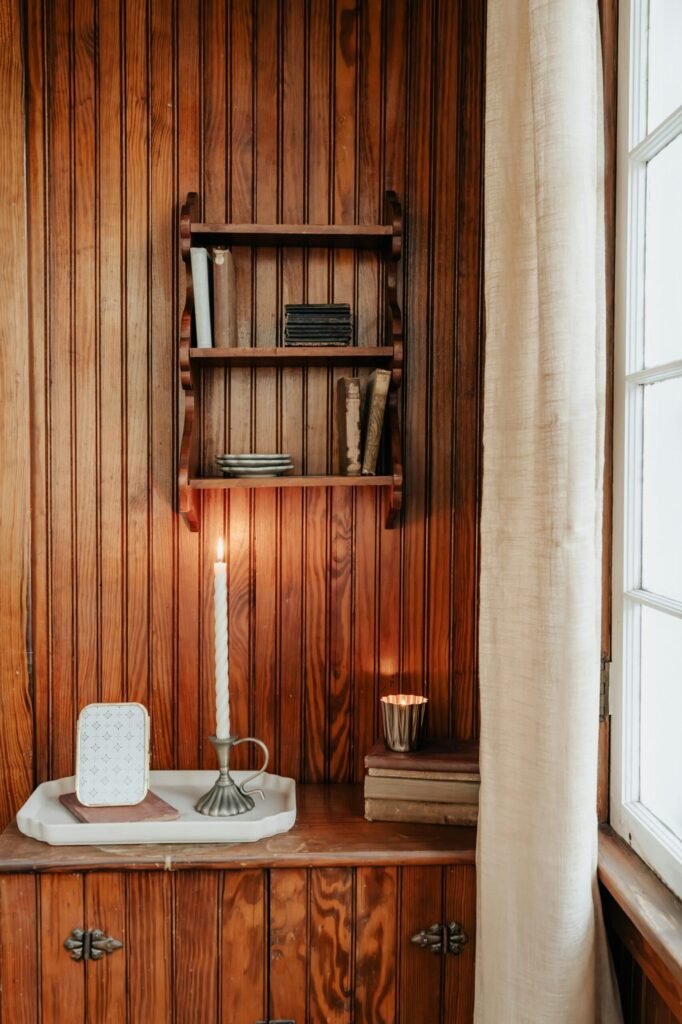
Working out what will suit your space
Before you fall for a specific look, take a slow lap of the room you are planning to panel. Notice how light moves through it during the day, where you naturally walk, and which walls already feel busy with doors, windows or radiators. Panelling works hardest on the walls your eye lands on first, rather than cramming it into every spare corner.
Ceiling height matters too. Full height panelling in a low room can feel heavy and a bit claustrophobic, whereas a simple dado height rail with panels below can make the walls look taller by breaking them into lighter and darker sections. In a lofty Victorian, the opposite can be true; taller panelling can bring the proportions down to something that feels more comfortable to live with.
It also helps to be honest about how the room is used. A hallway that regularly hosts scooters, muddy dogs and school bags will need tougher finishes and fewer decorative grooves than a calm bedroom that mainly contains laundry piles and good intentions.
Choosing a panelling style without overthinking it
Once you have a sense of what the room needs, you can start looking at styles with a more critical eye. Traditional square or rectangular frames tend to suit period properties, but they can also soften very modern spaces if you keep the proportions simple. Slatted styles feel more contemporary and are good at adding texture without pattern, especially on one key wall.
Shaker style boards are often chosen because they feel safe, but pay attention to the gap between battens and the thickness of the timber. Skinny battens spaced very close together will look fussy quickly, while oversized ones in a small room can dominate. A good rule of thumb is that the more features a room already has, the simpler your panelling should be so it does not end up shouting over everything else.
If you are exploring ready-made options like Akuwoodpanel, it can also help to compare how different finishes and structures interact with your lighting and existing materials, rather than choosing purely based on what looks good online.
Colour is half the story. Painting panelling to match the wall gives a subtle, architectural feel that is easier to live with long term, while contrasting colours are fun for kids’ rooms and playrooms but can date faster. Think about whether you will still like that two tone look when the current trend cycle has moved on to the next big thing.
Practical details people regret not thinking about
The glam photos rarely show the slightly less photogenic parts of a room. Light switches, plug sockets, radiators and awkward corners all need a plan. It is worth sketching the wall on paper and marking where everything sits before committing to a layout. That way you avoid a beautiful central rectangle of panelling with a lonely socket smack in the middle of it.
Height is another common source of regret. Panelling that finishes at the same level as the back of the sofa, or slices just under the middle of a window, will always look a little off. Use existing architectural lines as a guide, such as window sills, door frames or the top of a radiator, and aim to align with or sit clearly above or below them rather than nearly matching.
If you have children, pets or a talent for dropping things, think about durability. Hardwearing eggshell or satin paints are easier to wipe down than chalky matt finishes. In busy areas it can be worth keeping the lower section of panelling in a darker colour, with a lighter wall above, so everyday scuffs are less obvious.
Budget friendly ways to get the look
It is easy to assume you need a carpenter and a serious budget to get something that looks intentional, but there is a middle ground between high end joinery and wobbly DIY. Many people start with just one wall behind a bed or sofa, or a small hallway, to see how they feel about the added detail before committing to an entire floor.
MDF strips or pre cut battens keep costs down and are forgiving for first time projects, especially if you are planning to paint everything. Pre-made panels cost more per metre but can save hours of cutting and measuring, which might matter if you are working around a job, kids or a partner who mysteriously disappears whenever a spirit level appears.
If you are completely new to this sort of work, practising on a less visible wall can be a smart move. That way your learning curve does not live forever in the middle of the living room, and you can refine your filling, sanding and caulking before tackling the space everyone sees first.
Making wood panelling feel like it belongs
The cleverest panelling jobs rarely announce themselves. They simply make the room feel like it was always meant to look that way. One way to achieve this is to echo lines that already exist. Matching the spacing of vertical panels to window mullions, or running horizontal elements in line with picture rails, tricks the eye into seeing a coherent whole rather than a bolt on trend.
Furniture plays a role too. A beautifully panelled dining room wall loses impact if chairs are pushed up so close that you only ever see the top ten centimetres. Pulling furniture slightly forward, or choosing lower backed pieces, lets the detail breathe. In bedrooms, aligning the top of the panelling with the height of the headboard anchors the bed and makes the whole arrangement feel designed rather than accidental.
Soft furnishings are an easy way to soften all that straight line energy. Upholstered chairs, textured rugs and curtains in natural fibres add warmth so the room still feels inviting once the last bit of filler dust has been swept away.
When to call in help and when to DIY
There comes a point where even the most determined home improver looks at a wonky wall and accepts that perhaps this is a job for someone who owns more than one type of saw. Large rooms, staircases and spaces with lots of angles can be worth handing to a professional, if only to preserve your sanity and your weekends.
For simpler projects, many people are perfectly capable of a decent result with a little patience, a level and careful measuring. Reading up on how to prep walls, choose adhesives and fix battens securely can make the difference between something that lasts and something that quietly starts peeling away six months later.
If you do hire someone, asking to see previous examples of their work helps you understand their style. Some carpenters lean more traditional, others specialise in very clean, contemporary lines. Matching that to your own taste makes the process much smoother than trying to talk someone into a look they never normally create.
Letting your taste, not the trend, lead the way
The most successful panelling projects tend to come from people who have spent time getting to know their homes before reaching for the nail gun. Trends will change, paint colours will come and go, but the bones of your house and the way your family lives in it are likely to stay much the same.
Taking the time to think about proportion, practicality and how long you want to live with the result is far less glamorous than before and after photos, yet it is what quietly separates the rooms that still feel right years later from the ones that end up on the list of “things we will probably redo when we have the energy”.
If you treat panelling as a way to support the life happening in your home rather than a quick fix for a bland wall, you are far more likely to end up with something that looks considered rather than copied. And if in doubt, starting small, living with it for a while and adjusting as you go can be just as satisfying as a dramatic weekend transformation.