
You might be old enough to remember when planning a holiday meant flicking through glossy brochures or sitting down with a travel agent over a cup of tea. Now, a quick scroll through Instagram, TikTok, or Pinterest can have you booking flights within the hour. Social media is the new travel brochure, offering instant access to dazzling images of far flung beaches, destination tips, and real-time updates from fellow travellers. Here’s how the shift to social feeds has completely reshaped our approach to travel – in good ways and bad.
The Instagram effect: Hunting for the ultimate snapshot
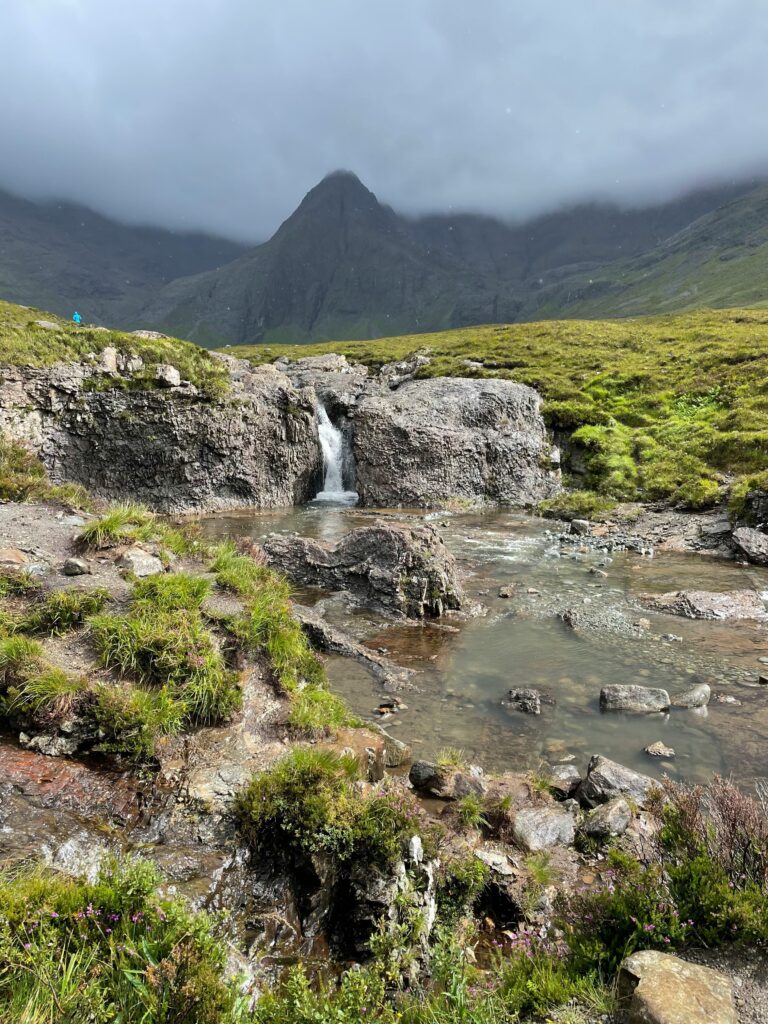
The visual power of social media has made it one of the biggest drivers of wanderlust. A single viral TikTok showing a hidden cove can turn an overlooked spot into the next must-visit destination. Travellers now choose where to go based on ‘Instagrammability’ rather than from the highlights section of a guidebook. Yes, it’s a great way to discover beautiful places, but it also means that thousands of visitors suddenly descend on the same scenic corners of the world (like the Fairy Pools on the Isle of Skye), often overwhelming them in the process.
Social proof and reviews: The new word-of-mouth in travel
In the past, you’d ask a friend or colleague where they stayed on holiday and how it went for them. Now, you can browse thousands of first-hand reviews and candid photos from people around the world before making a booking – ‘social proof’ that often even outweighs official marketing claims. Want to know if a hotel pool is as pristine as the photos suggest? Chances are, someone has posted an unfiltered shot. This is especially valuable if you’re considering last minute holidays, where you need to make a quick decisions. Whether it’s discovering an incredible street food stall or avoiding a disappointing day trip, online recommendations are now the modern traveller’s best friend.
Beyond the tourist trail: Social media and the search for authenticity
Social media has fuelled trends like ‘travel dupes’ (affordable alternatives to crowded hotspots), and ‘bleisure’ (where work trips double as mini holidays – particularly popular with Gen Z). People also increasingly want authentic, local experiences: cooking classes with village chefs, guided walks led by historians, or craft markets recommended by locals on Facebook groups. You can use Instagram and TikTok as search engines for these niche finds, so you feel more immersed and connected to the places you visit.
The hidden cost of viral destinations: Overtourism and jadedness
It’s true that social media can enrich your travel experience, but it can also cause harm. Once everyone knows about a once-quiet destination, hordes of visitors can overwhelm local infrastructure and erode their charm. Think of Venice’s narrow canals or the Giant’s Causeway at peak season. And if you’ve already seen a place from multiple angles and viewpoints, where’s the element of surprise? Once you arrive, it can feel like you’re ticking boxes rather than making genuine discoveries.
The double-edged sword of online influence
Social media has undeniably transformed how we travel – offering inspiration, information, and connection alongside a few challenges. However, if you use it mindfully rather than simply chasing the next viral view, you’re sure to find destinations and experiences that resonate personally with you and that’s you’ll remember for years to come.