
Exhibition events have long ceased to be mere platforms for demonstrating products. Today, this is an environment where visitors’ emotions play just as important a role as the content itself. The way a person moves through the space, where they stop, and what they feel at the level of comfort or tension, directly affects the perception of the brand. That is why the exhibition stand is no longer considered a separate structure – it becomes an emotional tool.
The role of spatial thinking is growing as brand competition intensifies. Exhibition stand design that fails to account for visitor behavior risks going unnoticed, while a well-thought-out structure can create a sense of involvement, trust, and interest.
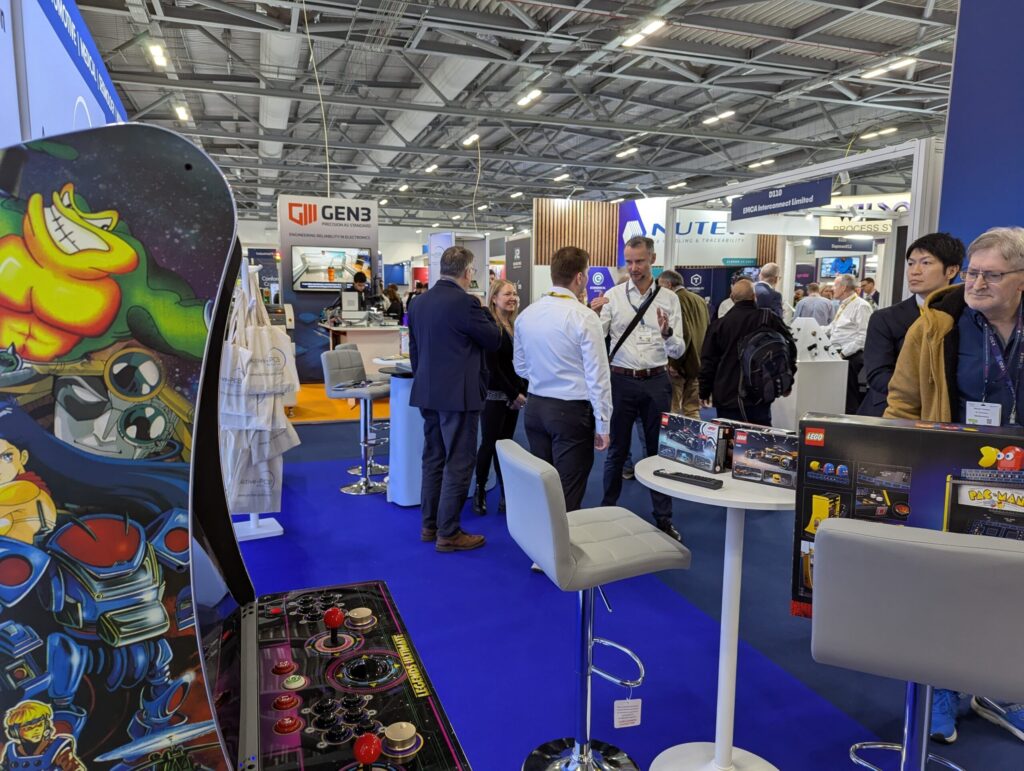
Why Spatial Design Shapes Visitor Emotions at Trade Shows
A person’s movement in an exhibition space is never accidental. The width of the aisles, the direction of flows, the openness or closure of zones – all this causes subconscious emotional reactions. That is why the exhibition company lays the foundation for the future experience at the concept stage.
Exhibition builders are the ones who turn ideas into real space. Their understanding of the psychology of movement determines whether a visitor will feel calm, interested, or, conversely, confused. A trade show exhibit company works not only with form, but also with the emotional logic of the stand.
Core Principles Exhibition Builders Use to Influence Emotion
The basis of any successful exhibition stand building is competent space planning. Exhibition stand builders design routes so that movement is intuitive and natural, without a sense of coercion. This creates comfort and lowers the psychological barrier to interaction with the brand.
Psychological triggers are often built into exhibition stand design: open entrances, focal points, and zones of varying intensity. They work at the level of sensations, helping the visitor stay longer and immerse themselves more deeply in the atmosphere.
Basic spatial principles for influencing emotions:
- logical flow of movement without sharp obstacles;
- clear zoning without visual overload.
Techniques That Elevate Exhibition Stand Building and Visitor Mood
Light, height, and structure are not just technical parameters. They shape the mood. Tall elements create a sense of significance, soft lighting – tranquility, and open structures – trust. Exhibition stand contractors are responsible for ensuring that these ideas are implemented accurately and safely.
Materials also have an emotional impact. Warm textures evoke comfort, cold ones – associations with techno logicality. Exhibition stand building is always a balance between aesthetics and the sensations that a person receives in the space.
How a Trade Show Exhibit Company Creates Engaging Interaction Zones
Effective show and event stands rarely consist of a single open space. They are divided into microzones that encourage exploration. Small semi-enclosed spaces create a sense of privacy, even in a noisy pavilion.
Trade show booth builders play a key role in shaping these zones, managing the flow of people and stopping points. It is through such solutions that exhibition solutions become not just functional, but emotionally appealing.
Elements that enhance interaction:
- Zones for short stops and communication.
- Open spaces for viewing and orientation.
Turning Spatial Strategy Into Memorable Brand Experiences
When space works on emotions, the brand is remembered. Exhibition solutions that combine functionality and psychological comfort create a holistic experience rather than just a product demonstration.
That is why an experienced exhibition builder is the key to visitor satisfaction. He understands how space affects behavior and can transform an ordinary exhibition stand into an environment where emotions work for the brand as effectively as marketing messages.