The hospitality industry thrives on the energy behind the pine, yet the debate over titles remains a hot topic for owners and patrons alike. Local bar school instructors often point out that while the tools are the same, the execution and intent vary wildly between these two paths. Whether you are a business owner looking to hire the right talent or a curious patron wondering why your drink takes three minutes instead of thirty seconds, understanding these roles changes how you view a night out.
The Pulse of the Night: Defining the Roles
The person behind the bar sets the tone in any busy American tavern or upscale lounge. They may appear to be performing similar tasks to the uninitiated, but their “vibe” is different. While one maintains the engine, the other adjusts the machinery.
The Bartender: The Heartbeat of the Party
Consider the bartender to be the conductor of an energetic orchestra. Managing a room full of personalities while never missing a beat on a pour, they are the party’s lifeblood. A skilled bartender has a sixth sense about the patrons. Before the glass is even empty, they know when to start preparing the next round, when a group is becoming too boisterous, and when a customer needs a listening ear.
Speed is the key to success in a high-volume setting. The bartender oversees an experience in addition to creating drinks. They maintain the electric ambiance, dry floors, and contented visitors. Local Bartending School offers the fundamental training required to manage the stress of a real-world shift without breaking a sweat for those who want to become experts in this fast-paced setting.
Essential Bartender Skills:
- Efficiency and Speed: Building multiple drinks simultaneously while maintaining quality.
- Psychological Acuity: Reading body language to provide proactive service.
- Conflict Resolution: Defusing tense situations with grace and authority.
- Point of Sale Mastery: Handling transactions rapidly to keep the line moving.
- Inventory Management: Keeping the bar well-stocked and the bar top clean during a rush.
The Quiet Architect: The Art of the Mixologist
The mixologist is the other side of the coin. The mixologist is the silent creator of flavor, while the bartender is the beating heart. This expert approaches the bar as if it were a lab or a chef’s kitchen. The chemistry within the glass is more important to them than the din of the crowd.
In their spare time, a mixologist studies the molecular structure of ice, the history of spirits, and the exact ratio of sugar to acidity. They are creating a sensory experience rather than merely pouring a drink. You are there for the craft when you are seated at a bar run by a mixologist. You are there to witness how a traditional spirit’s profile is altered by hand-carved ice and house-made bitters.
Essential Mixologist Skills:
- Flavor Theory: Understanding how bitter, sweet, sour, and salty components interact.
- Handmade Ingredients: Crafting original syrups, tinctures, and infusions from scratch.
- Historical Knowledge: Memorizing the origins and original recipes of classic cocktails.
- Presentation: Utilizing specific glassware and garnishes to create a visual masterpiece.
- Menu Development: Designing seasonal offerings that align with current culinary trends.
Training for Excellence in the United States
Both roles require a certain kind of education and commitment. Without a map, you can not just walk into a professional bar and hope to succeed. In order to learn the mechanics of the trade and the legalities of serving alcohol, the majority of successful professionals in the US enroll in a local bar school program.
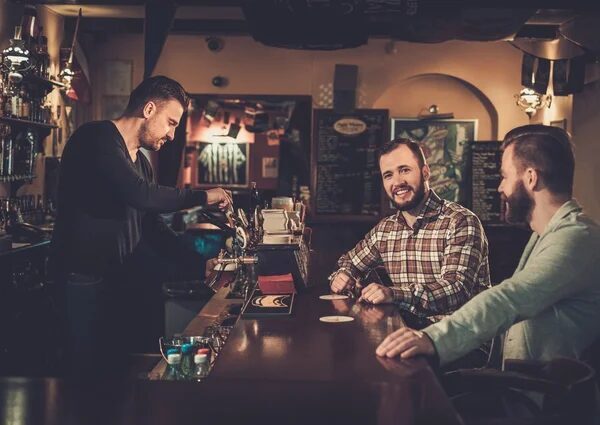
Foundational Education
Training for bartenders places a lot of emphasis on “muscle memory.” They must know the recipes for the top 50 most popular drinks in the nation as well as the “standard pours” for each common spirit. To reduce unnecessary movement, they rehearse a bar’s physical layout. The discipline of efficiency is taught.
The training is more academic for mixologists. It includes learning about the distillation process, identifying scents, and participating in tasting sessions. They might research the effects of various wood aging methods on bourbon or how the mineral content of water alters a cocktail’s mouthfeel.
The first step is the same regardless of which route seems more desirable. To learn about the qualifications and abilities needed in their particular state, prospective professionals should read this guide on how to become a bartender. Anyone serious about a career in hospitality should start with this resource.
Local Bartending School focuses on bridging the gap between theory and practice, ensuring that students aren’t just reading about drinks but are actually shaking, stirring, and serving them. This hands-on approach is what separates a hobbyist from a pro who can actually hold down a shift at a local venue.
Which Professional Does Your Venue Need?
The decision between hiring a mixologist and a bartender as a bar owner is solely based on your business plan. A mixologist who takes five minutes to peel a lemon zest will irritate your patrons if you operate a sports bar close to a stadium. You need a “heartbeat”—someone who can maintain a high level of energy while pouring forty drafts per hour.
However, a typical bartender might feel out of place if you run a small lounge that specializes in high-end spirits. Your customers are paying for the “architect”—someone who can describe the gin’s notes and suggest a particular vermouth. Many prosperous establishments strike a balance by hiring “bar chefs” who possess both the technical expertise of a mixologist and the speed of a bartender.
Being well-rounded is the best way to keep a job, a local bar school student frequently learns. A manager will value you more if you have more tools in your toolbox. Your ability to transition from a hectic Friday night to a leisurely, craft-focused Tuesday makes you an invaluable member of any team.
The Patron’s Perspective
It all comes down to expectations for the visitor. There are moments when you want someone who knows your name and your favorite team to serve you a cold beer and a shot of whiskey. At other times, you want to discuss the subtleties of a Mezcal Negroni while seated in a quiet corner.
They just fulfill distinct functions within the social fabric of our communities; neither role is “better” than the other. The best nights out frequently combine elements of both, beginning with a masterfully mixed cocktail and concluding with the enthusiastic service of a committed bartender who keeps the party going.
Start Your Journey Today
For those who are prepared to work hard, the world of spirits is expansive and fulfilling. The industry has a place for you, regardless of whether you consider yourself to be the life of the party or the expert in your field. The foundation of a long-term career in this field is education.
A local bartending school can help you acquire the necessary credentials and confidence if you’re prepared to take the risk and see where your passion takes you. Don’t wait for the “perfect time” to launch your career. Take a look at our programs on our website and start your new life behind the bar.
Your journey starts at a local bar school, where the art of the pour becomes a professional reality, regardless of whether you want to be the architect or the heartbeat.