
Wall decoration plays an important role in the character of a home. Either a grand statement or an arrangement of less substantial items, the right decision can turn an empty room into one that feels welcoming and personality-filled. Professional pieces can be expensive, so special décor becomes cost-prohibitive. Fortunately, creating handmade wall decoration gives the option at an affordable cost while still allowing personalization.
With simple materials and creative techniques, it is possible for anyone to create beautiful and unique artwork. Using recycled items, diverse painting techniques, or displaying loved photos, the opportunities to decorate walls at an affordable price are limitless. This article explores helpful DIY wall art projects, tools required, and ways of achieving professional-quality output. Creativity is the key to turning any space into your own, and with the right strategy, art can be integrated into everyday life without costing an arm and a leg.
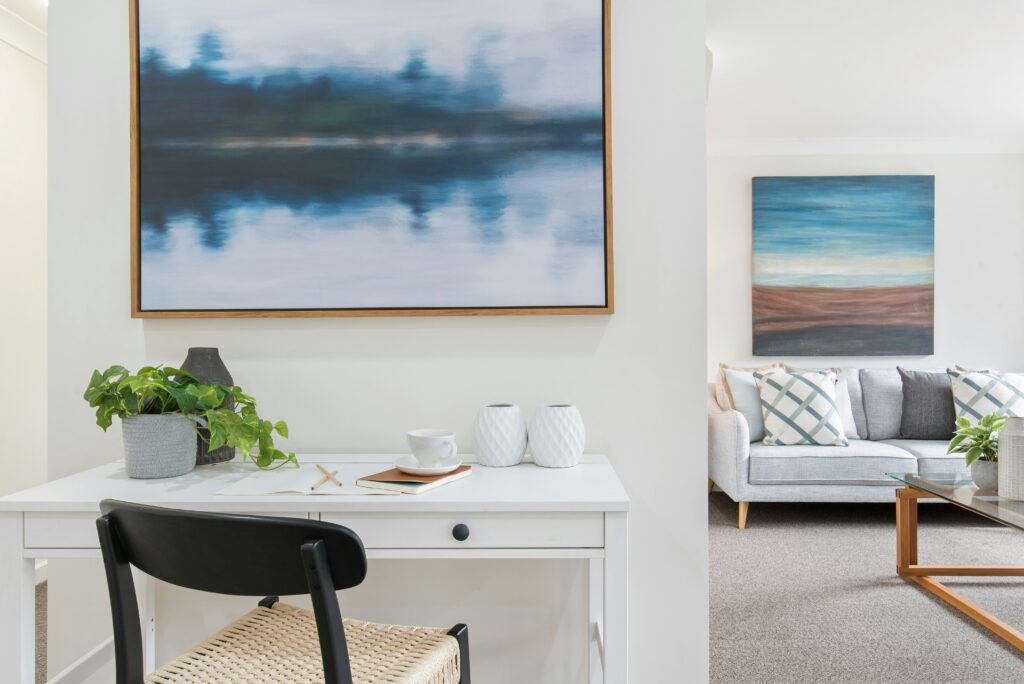
Affordable DIY Wall Art Ideas
Creating one-of-a-kind wall decorations does not need to use expensive materials or professional skill. With a little imagination, common objects and everyday supplies can become ornaments. Whether recycling old materials, experimenting with paint, or highlighting meaningful prints, there are many ways to make walls more visually appealing to the eye. A striking piece of extra large canvas wall art, a bold geometric design, or a delicate collage can all be achieved with minimal investment. The goal is to craft something that reflects personal style while enhancing the space in an affordable way.
Repurposing Everyday Objects
- Framed Fabric or Wallpaper Remnants – Leftover fabric scraps or wallpaper remnants can be framed as a design unifier. Mixing patterns or textures adds depth to a room.
- Vintage Book Pages or Maps – Framing pages from old books, sheet music, or maps produces a nostalgic appearance at minimal cost. Several pieces that are similar can form a themed collage
- Wood Pallets and Reclaimed Materials – Wood pallets, driftwood, or old panels can be stained, painted, or stenciled to create wall art with a natural, rustic theme.
Artistic Painting Techniques
- Abstract Textured Canvases – Using the application of a palette knife, thick paint, or unusual tools like sponges creates thick texture that gives a painting depth.
- Geometric Tape Art – Masking tape can be purchased for sectioning patterns on a painting canvas that ultimately provide bright, clean-looking designs.
- Watercolor Blending – Building up diluted watercolor or acrylics on paper or canvas produces delicate, otherworldly effects that bring subtle color into a space.
Photo and Print-Based Wall Decor
- Personal Photography – Printing black-and-white or sepia photos in large sizes creates a sophisticated, gallery-like effect.
- Collage Walls – Magazine cutouts, postcards, or old calendar photos arranged in a grid or free-form collage add personality and playfulness.
- Typography and Stencil Art – Custom monograms, quotes, or letters can be created with stencils and painting, adding a personal message to décor.
Essential Materials and Tools for DIY Wall Art
Creating DIY wall art is about utilizing the right tools and supplies to achieve professional-quality results. While some projects include paint and brushes, others include layering mixed media, mounting, or framing pieces to create visual interest. Investing in necessary supplies builds the capability of being flexible with future projects so that creativity isn’t restricted. From canvases to innovative display options, these tools can have a significant impact on how things are done and how well they hold up.
Basic Supplies
- Canvases or Poster Boards – They provide a sturdy surface for painting, collaging, or mixed-media. More affordable options may be found in discount stores or on the web.
- Paints and Brushes – Acrylic, spray paint, and watercolors each have distinct effects. Different textures of brushes create more precise application.
- Adhesives and Finishing Supplies – Spray adhesives, Mod Podge, or glue sticks keep paper parts glued together, and finishing sprays secure the durability of artwork.
Framing and Displaying on a Budget
- Secondhand or Thrifted Frames – secondhand frames can be repainted or distressed to fit any décor while reducing costs.
- DIY Hanging Solutions – Wooden slats, twine, or binder clips provide inexpensive alternatives to traditional framing.
- Innovative Mounting Solutions – Floating shelves, pegboards, or wire grids allow easy rotation of exhibited works.
Where to Find Low-Cost Supplies
- Discount Craft Stores and Online Marketplaces – Sales and bulk buys can significantly reduce material costs.
- Upcycled and Recycled Materials – Reusing available materials in the home avoids wastage, making projects both green and cost-effective.
- Community Art Swaps or Thrift Stores – Trading materials or reworking thrifted material introduces new texture and components to DIY endeavors.
Practical Techniques for Standout Results
An empathetic treatment of technique can make DIY paint by numbers kits look smooth and professional. From layered textures to color scheme, minute adjustments can lead to a more refined finish. Combinations of different artistic techniques add depth and interest, making a piece feel intentional instead of careless. With some key techniques, even an uncomplicated project can look more sophisticated.
Layering and Texturing for Dimension
- Mixed-Media Painting – Combining paper, fabric, or touch-sensitive material with paint creates a striking contrast.
- Raised Details – Using materials like dried foliage, metallic sheet, or clay accents adds depth.
- Scraping and Blending – Using tools like palette knives or household devices to scrape and blend paint creates abstract, organic texture.
Blending Colors and Creating Uniquely Finished Work
- Ombre Effects – Color gradations produce a smooth, seamless ombre.
- Marbled or Distressed Finishes – Applying multiple layers of paint and employing the use of sponges or sandpaper yields a weathered, artistic finish.
- Metallic or Glossy Accents – A dash of metallic paint or glossy varnish provides highlights to targeted details without dominating the design.
Personalization and Thematic Elements
- Custom Themes – Including travel, hobby, or quote-related elements personalizes wall art.
- Seasonal Rotations – Trading pieces for different holidays or seasons keeps décor relevant and engaging.
- Handwritten and Hand-Drawn Additions – Adding personal drawings, signatures, or handwritten messages adds personal touch.
Conclusion
DIY wall art is a low-cost, creative means of making a place one’s own. With a little planning, even the simplest materials can be transformed into striking, high-impact designs. Whether using recycled materials, abstract painting, or collage, the very process is an act of artistic expression. The time and effort involved in making personalized wall décor not only add beauty to a home but also offer the satisfaction of having created something truly unique. Personal style is evident in every brushstroke and design choice, turning empty walls into a mirror of personality and creativity.