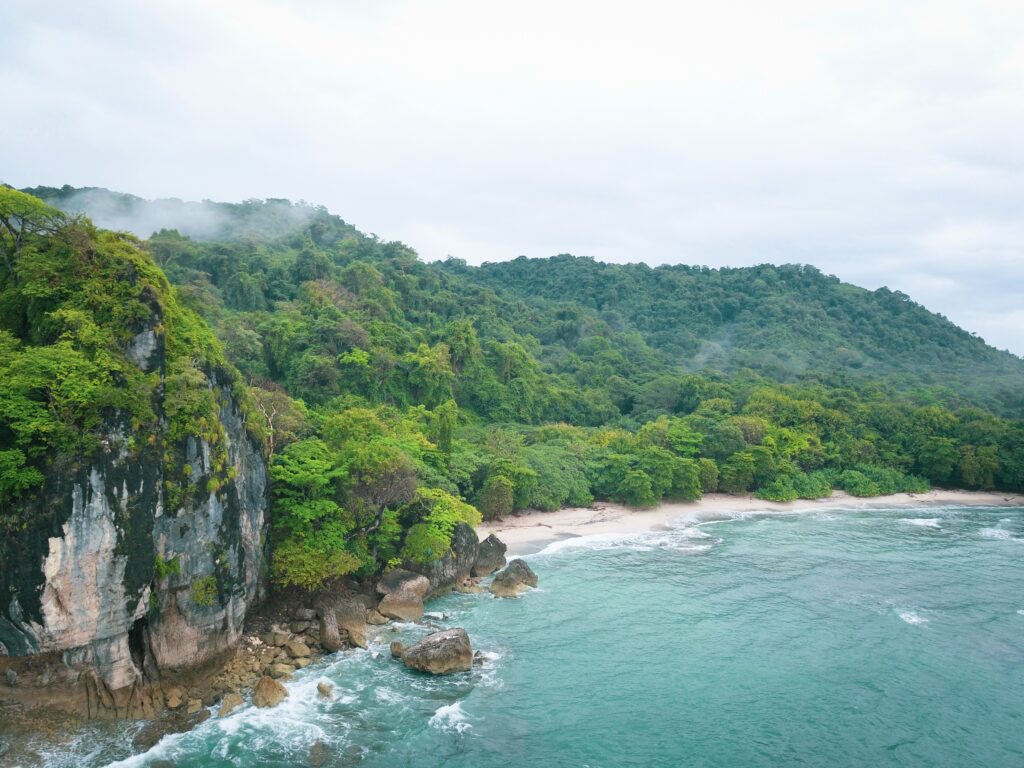
This is a collaborative post: Costa Rica is a central American country which is a popular holiday destination for UK travellers that don’t mind going long haul. Although the capital city of San Jose has a vibrant and diverse culture, many tourists travel to the country for the stunning natural environment. Famed for its simmering volcanoes, lush greenery, spectacular waterfalls and beautiful coastlines, roughly a quarter of the country of Costa Rica is made up of protected jungle, where you can also find incredible wildlife including sloths, spider monkeys, jaguars and exotic birds.
When to visit Costa Rica
Costa Rica is a country that you can visit all year round, as long as you are prepared!
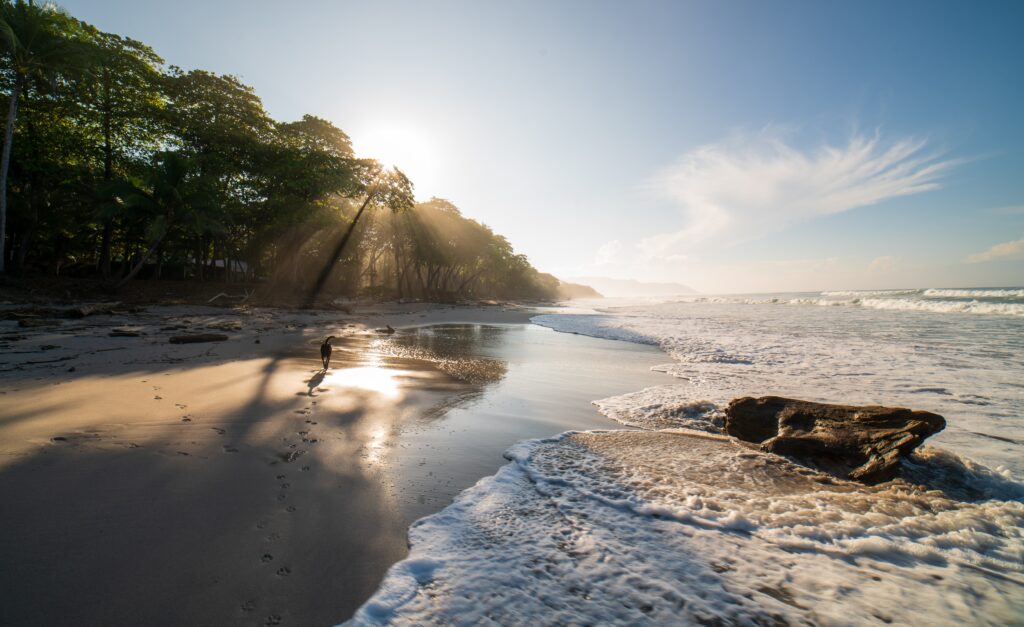
Between mid-November and April is Costa Rica’s dry season, so if you’re looking for sun while it’s cold, dark and miserable in the UK then it’s a great choice as you can expect 12 hours of sunshine each day. Guanacaste is famed for its great beaches that are perfect for sun seekers as the temperature gets up to 28 degrees during this time of year. Tourist areas are busiest during this season.
The other half of the year, between May and mid-November, is Costa Rica’s ‘green’ season, with rainfall heaviest during the months of September and October. However often you’ll find sunny mornings and rainy afternoons, so it shouldn’t necessarily put you off visiting during this time, especially if you are looking to cut costs as it falls out of peak times.
If you, as many people, are more excited about visiting the jungle than the beach then the rainy season is when the Costa Rican jungle is at its lush and green best, but conversely it can be harder to spot the wildlife when the coverage is full and verdant.
You can find out more about the weather in Costa Rica, and the best time to visit here.
Activities for nature lovers in Costa Rica
Manuel Antonio National Park
Manuel Antonio National Park is a tropical paradise where you can see an abundance of Costa Rica’s nature and wildlife on the west coast of Costa Rica. Manuel Antonio is around 165km from San Jose; the journey from Manuel Antonio to San Jose Airport takes around 3-4 hours depending on your mode of transport. It is one of the smallest parks in the country, but one of the best for observing wildlife.
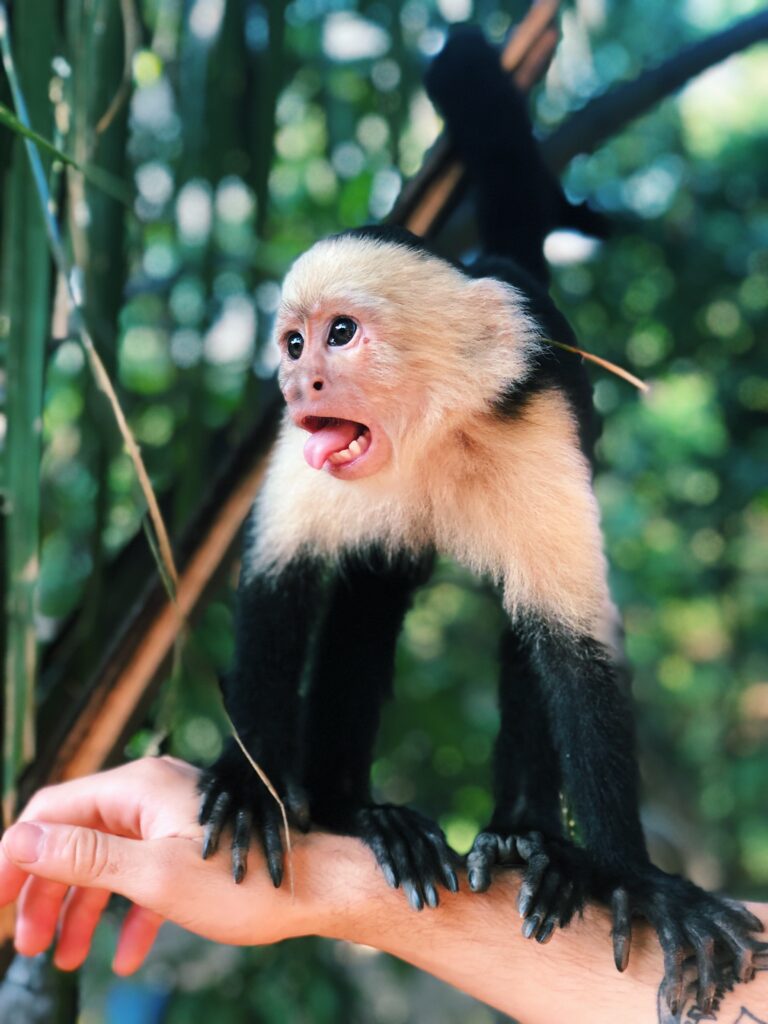
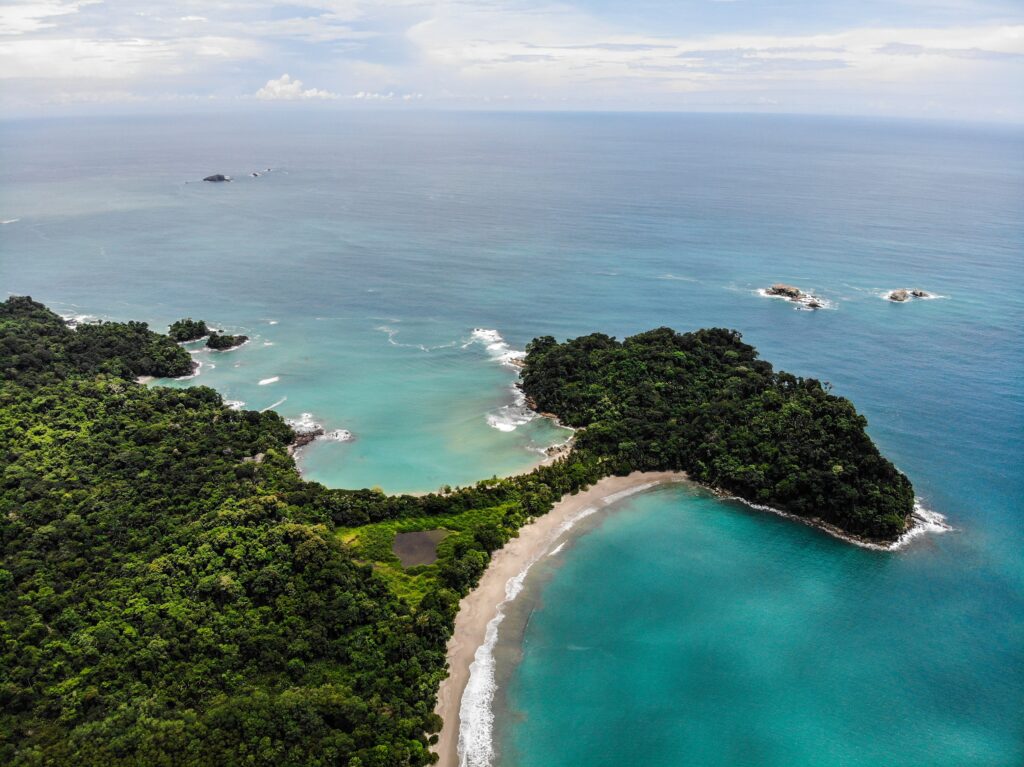
Manuel Antonio contains rain forest, beaches, and coral reefs. These beaches are among the most beautiful in the country, lined with lush forest and you can snorkel among the fish.
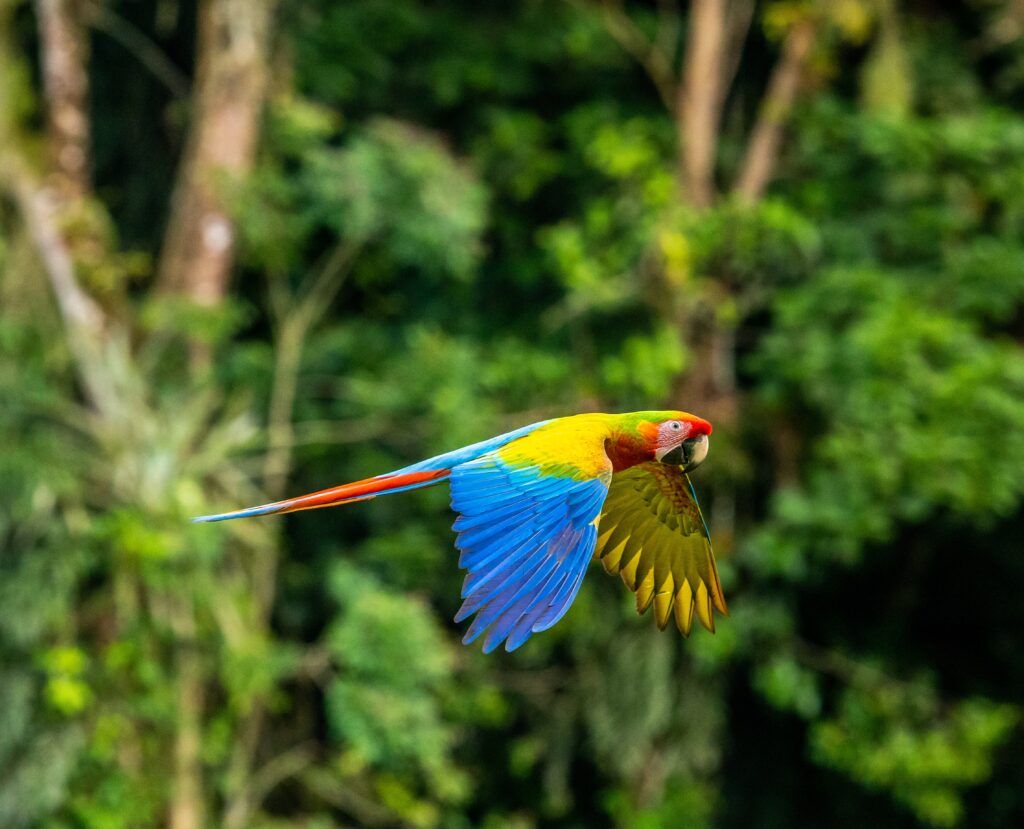
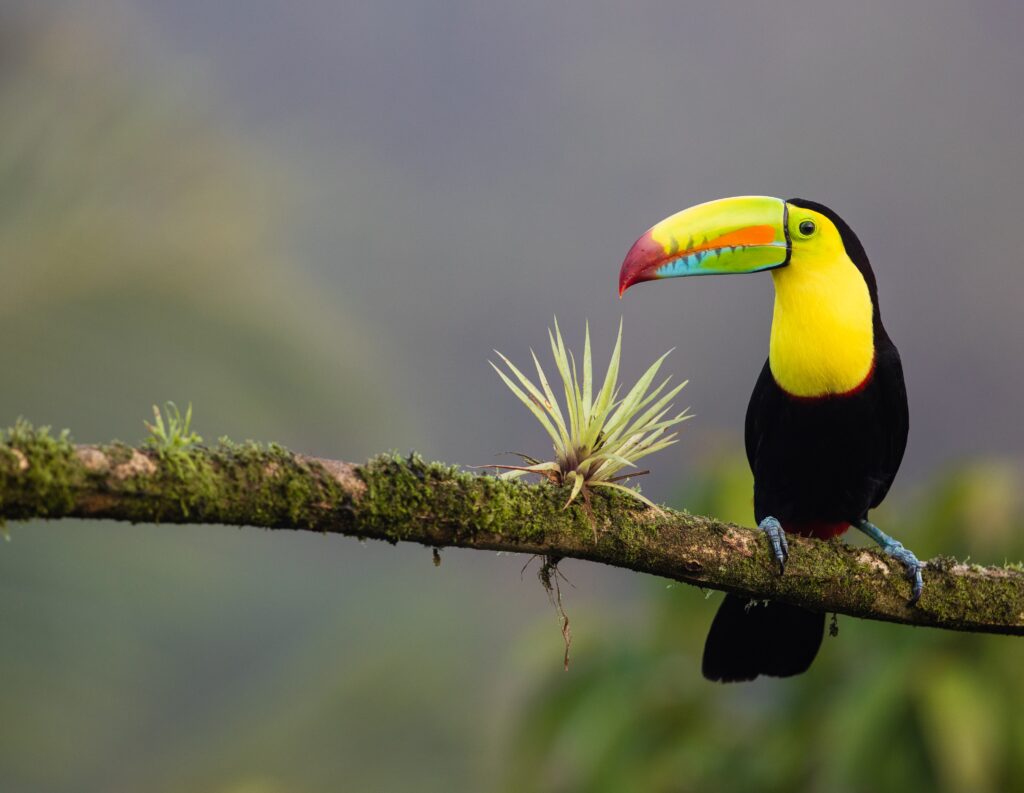
Howler, squirrel, spider and white faced monkeys all call Manuel Antonio National Park home. Two-toed and three-toed sloths are commonly sighted as well as raccoons, coatis, pacas, anteaters, and ocelots. There are many reptiles including crocodiles, iguanas, boa constrictors and lizards, and over 350 bird species have been identified within the park.
You really must take your camera!
The current 2022 admission fee is $18.08, children from 2 to 11 years old pay $5.65. Tickets are available from their website (linked above). Highly recommended, guided group and private tours are also available which allow you to make the most of your visit to the national park. Your trained tour guide will be able to identify plants and animals and point them out to you during your tour. These tours are best booked through the official website above, as there are many scammers out targeting tourists and you may not end up with the experience you desire.
Arenal Volcano
Situated within Costa Rica’s northern lowlands, around 3 hours away from San Jose, the Arenal Volcano is Costa Rica’s most famous volcano and is one of the must-see natural landmarks in Costa Rica. If you make your visit between February and April, you will have a better chance of unobstructed views.
It’s actually a stratovolcano; a large, symmetrical volcano that’s built upon layers of ash, rock and lava. Measuring 5,437 feet (1,657 meters), it stands high above the rest of the countryside.
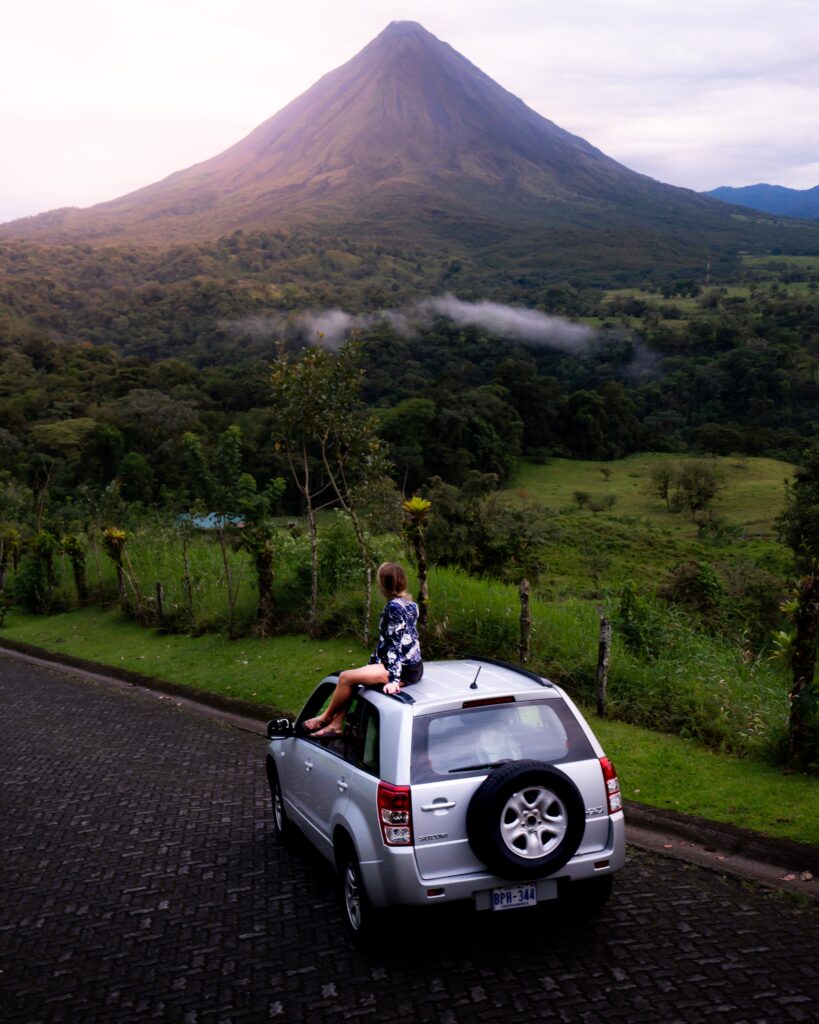
Since 2010, it has been in a resting phase, so is a perfectly safe place to visit while on your holiday.
While at the volcano, you can visit the hot springs and bathe in the warm, soothing natural springs heated by the volcano’s geothermal activity.
La Fortuna Waterfall
Very close to Arenal, La Fortuna (“The Fortune”) Waterfall is one of the most visited waterfalls in Costa Rica and an extremely Instagrammable spot I’m sure you’ll agree!
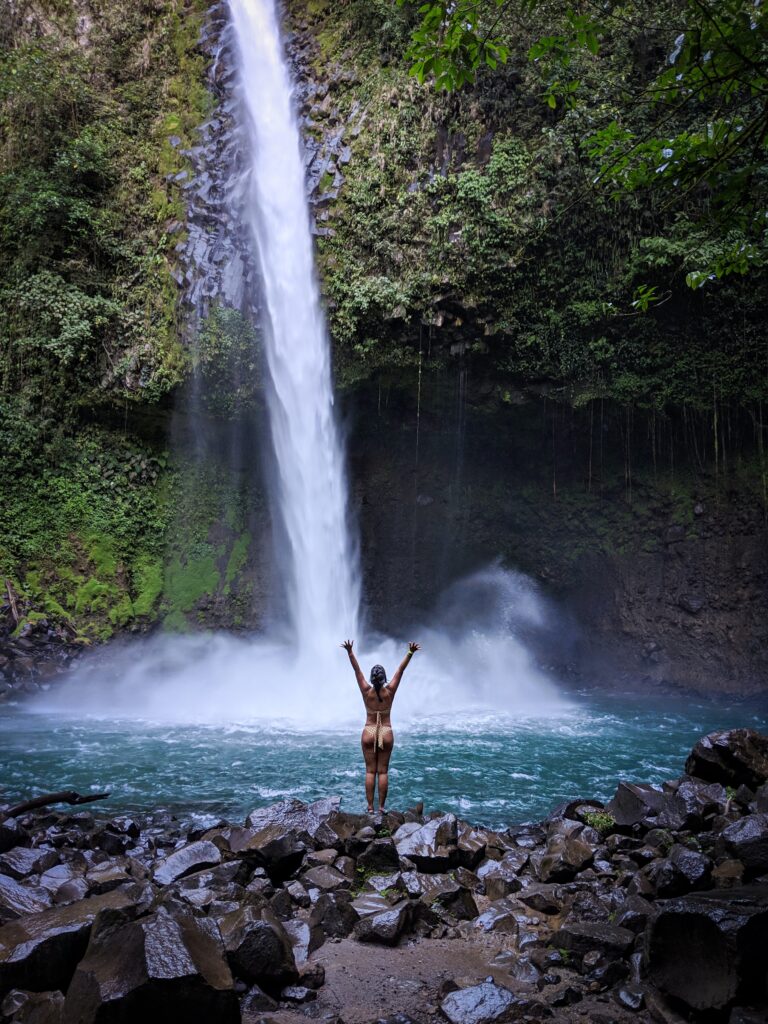
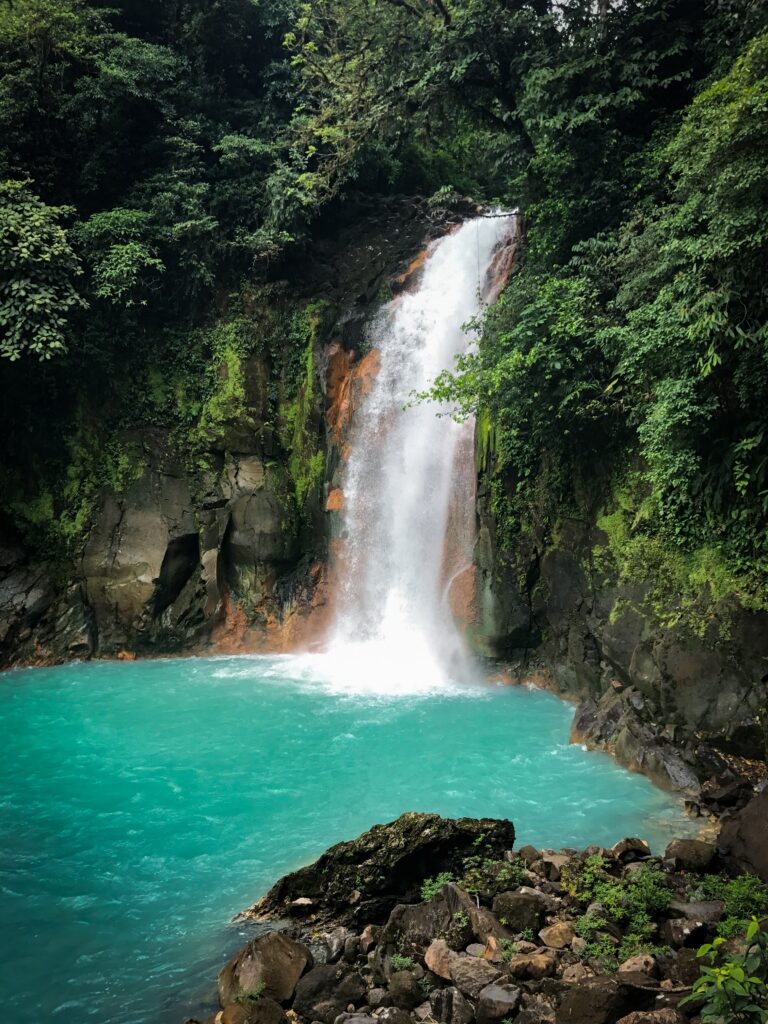
Situated in the Alajuela Province, La Fortuna waterfall is fed by the Arenal River, which travels through the rainforest in the Arenal Mountain range until it drops around 200 feet or 70 meters over a cliff in spectacular fashion.
Getting to the waterfall does involve a short 10-20 minute hike including a descent down a staircase with around 500 steps, so it’s only suitable for the able bodied visitor. Note that there is an entry fee to visit the waterfall, and the pool itself is too dangerous for swimming although there are other, safer pools downstream which are perfect for bathing.
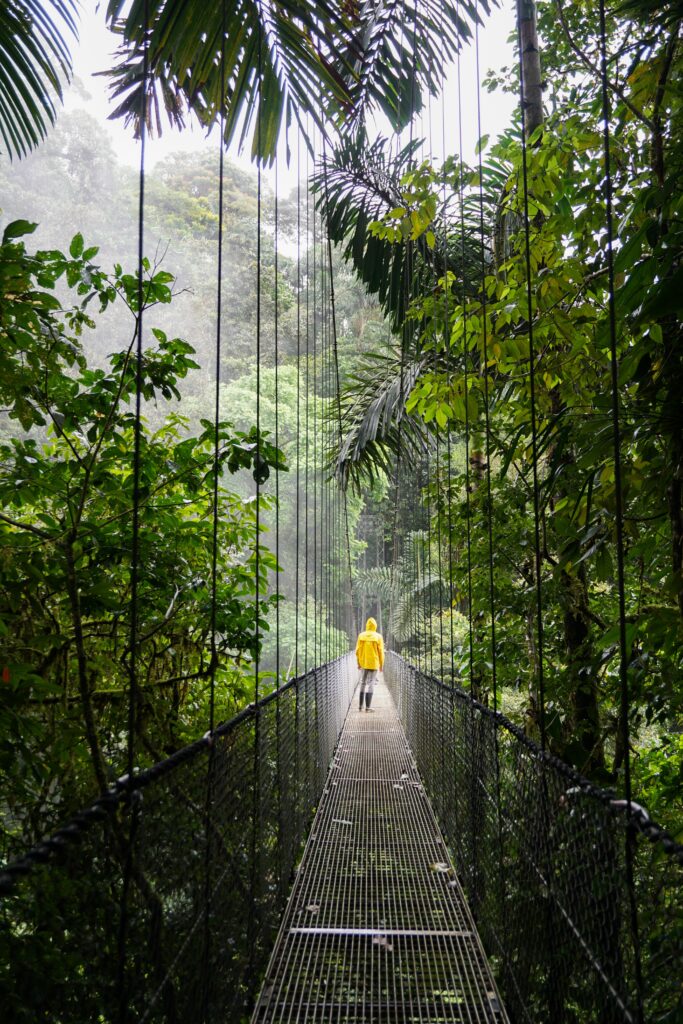
One for those with good physical fitness, you can visit some of the most famous natural landmarks in Costa Rica in just one day by booking on to a specially devised 11-hour tour, which starts out with a hike along the La Fortuna River before heading into the jungle, to the suspension bridges which provide a route through.
This is followed by a walk to a local indigenous village where you are served a traditional Costa Rican lunch. In the afternoon, the tour takes you to the Arenal Volcano where you just for more hiking before wrapping your day up with a soak in a natural thermal river.
You can see the reviews of this tour on Trip Advisor.
Hacienda Guachipelin
One for the thrill seeking travellers; Hacienda Guachipelin is around 4 hours from San Jose, in Costa Rica’s sunny Guanacaste province where the country’s best beaches can be found.
It’s here that you can go white water rafting or tubing along the rapids of the Rio Negro river, go for a spot of horse riding and go zip-lining through the forest before relaxing in the mineral-rich, hot thermal waters heated by the Rincon de la Vieja Volcano which is the largest and most active volcano in Guanacaste, Costa Rica.