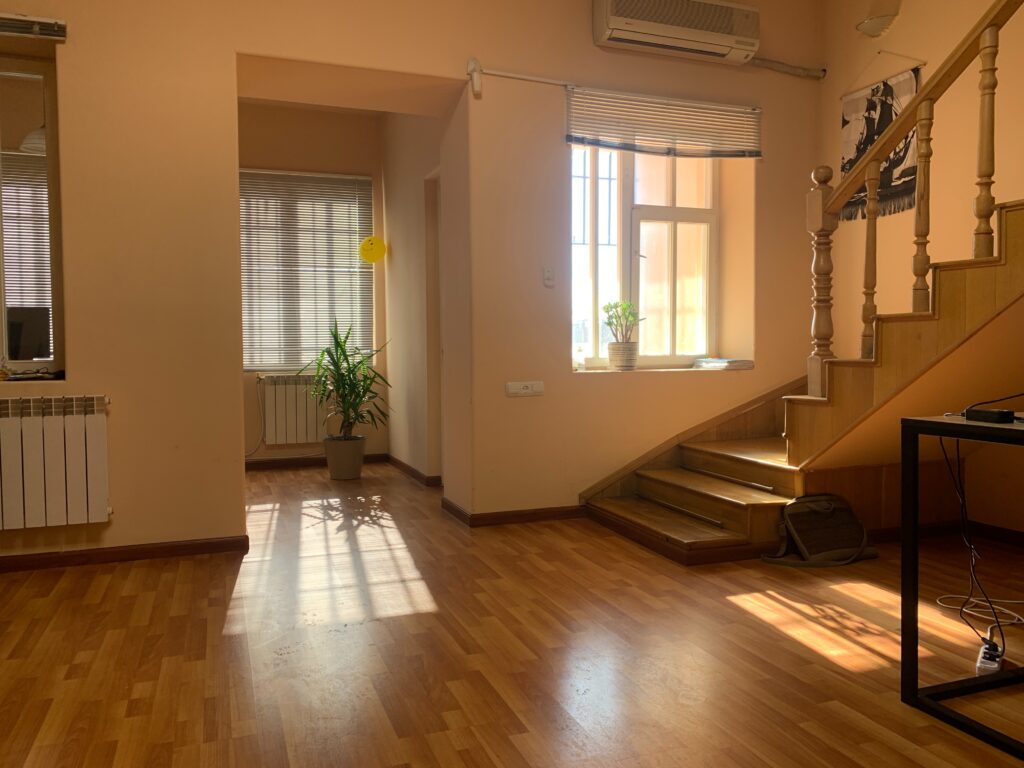
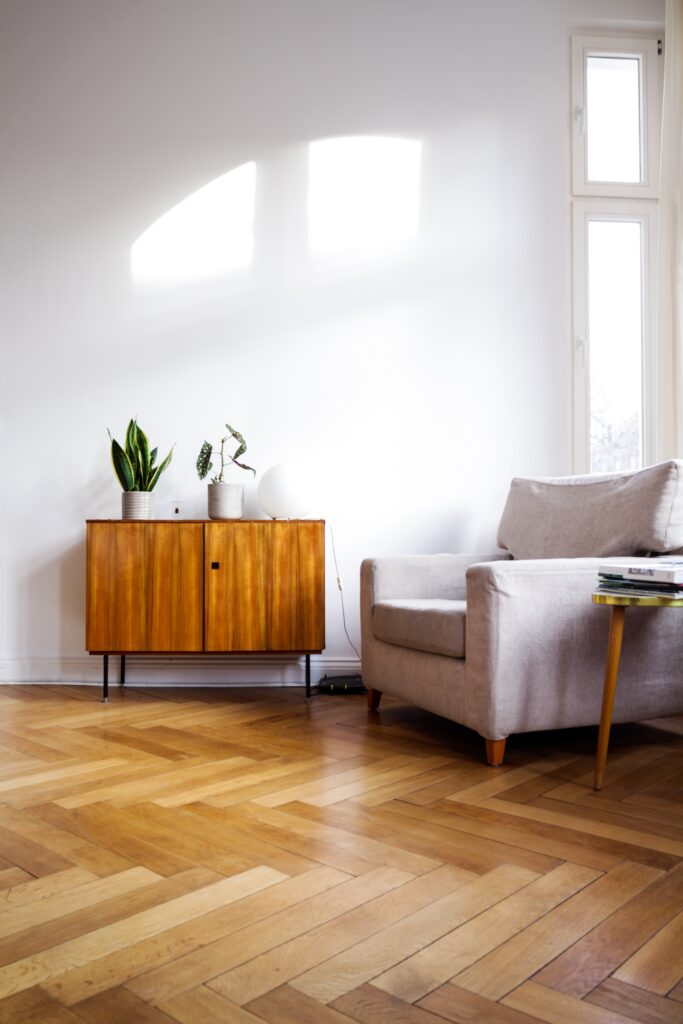
This is a collaborative post: I’m currently waiting on tenterhooks for a call telling me that my house purchase completion is two weeks away. In the meantime, there isn’t a whole lot that we can be doing, so we’re spending most of our evenings mentally redesigning the space. One thing that we’ve agreed on is that in the more ‘adult’ sitting room, we want some hardwood, parquet flooring. It is hardwearing and long lasting, and looks so much nicer than carpet in my opinion.
We decided to get a quote to see how much it would cost someone to come and do it for us and even if we supplied the wood, we were looking at four grand for the wood flooring to be laid. As you can imagine, we decided against that pretty quickly, but we still really want the hardwood floors so after some encouragement from people that have done a marvellous DIY job, we have decided to have a crack ourselves.
Can you install hardwood floors by yourself?
Well, yes. You can do anything yourself really. You’ll need the tools, the time to learn and do it yourself and of course the patience to follow instructions, but it is perfectly possible to save yourself a large sum of money on hardwood floor installation by doing the job yourself. If you have tricky features in your room, like a bay window or hearth, for example, you can bring in experienced tradespeople to do these areas for you, as they’ll have the tools and be able to do it properly, but you’ll still save money by doing a lot of it yourself.
Before you install hardwood floors yourself
Obviously you have to decide what kind of wood you want and then buy it, and that will depend on your personal preference and of course your budget. Hardwood floor comes in lots of different colours, but has the benefit that if you decide in the future to change it, you can sand it down and re-stain it. Tongue and groove flooring is by far the easiest and most common hardwood flooring. Make sure you add 10% on when you measure the area to account for mistakes, imperfections etc. Getting small quantities of a specific batch of wood flooring because you’re a few short could be very tricky.
When it arrives, stack the wood in the corner of the floor that you plan to lay last so it doesn’t get in the way, preferably with a four inch gap underneath the pallet to allow air to circulate. We have a bay window which is going to be the trickiest bit, so will probably leave this section until last.
One of the features of wood is that it expands and contracts with the temperature and moisture in the room so it is important to let it sit and acclimatise for a few days before laying.
If you’re laying your hardwood flooring onto a concrete subfloor, then you’ll need plywood and underlayment on top of the concrete in order to make it even. If you’re installing hardwood floor on top of floorboards, you’ll also need a decent underlay to go underneath the hardwood floor. Underlay creates a level surface by smoothing out the subfloor and helps support your wood floor, plus many have integrated damp proof membranes that can stop damp/moisture from ruining/warping your beautiful wood flooring. Duralay Timbermate Excel is one of the best underlays on the market for installing hardwood floors yourself.
Equipment you need for installing hardwood floors
Obviously you’ll need protective gear and standard tools for ripping up any carpet etc. Get a vacuum cleaner handy too – you want a clean surface to start with. We are going to go with a floating floor, gluing the planks to each other as they are laid. We’ll need a mitre saw for cross cuts when boards are too long, and a table saw for rip cuts when boards are too wide, and some spacers for the edges to allow the wood to expand.
If you’re installing hardwood flooring with nails or staples, you will need a nail or staple gun. You can hire all of these tools.
Preparing to lay a hardwood floor
The first step of course is to pull up the carpet and carpet underlay, or remove whatever flooring is currently in place, unless you plan to lay the wood over the top of tile or even a flat, low-pile carpet, which is actually possible while not ideal as you can’t be guaranteed a level surface.
You may need to trim the door casings using a flush-cut dovetail so that the flooring will slide underneath. Gauge the height of the cut by laying down a piece of foam underlay and a piece of flooring (upside down so the saw won’t scratch the finish). Then hold the saw flat against the plank and carefully make the cut.
Roll out the foam underlayment across the floor. Cut it to fit with a utility knife, glue or tack it into the subfloor and then butt and seal the seams together with duct tape so it won’t go anywhere.
Laying the hardwood floor
Decide what pattern you’re going with before hand. We fancy a herringbone parquet style floor but laying in long strips is a quicker and very popular way to lay a hardwood floor.
The laying of the floor is the part that we haven’t done yet but following these step by step instructions or even better, watching a YouTube tutorial like the one below which explains it much better than I ever could (although those corners…)- although whatever way you’re doing it, there will be a video to show you!
Good luck!