

This is a collaborative post: Attention Deficit Hyperactivity Disorder (ADHD) is a neurodevelopmental disorder that affects approximately 10% of school-aged children and 4% of adults worldwide. Despite being a condition which is becoming more and more well known, there are still many misconceptions and stereotypes about ADHD that can create confusion and misunderstandings about the condition.
Here are some of the assumptions which are often made about ADHD, which just aren’t true.
ADHD is not a real disorder
One of the most common and frustrating stereotypes about ADHD is that it is not a ‘real‘ disorder, and instead is merely an excuse for bad behaviour. However, ADHD is a well-recognised neurodevelopmental disorder that is classified in the Diagnostic and Statistical Manual of Mental Disorders (DSM-5) and you can see the ICD code for ADHD here.
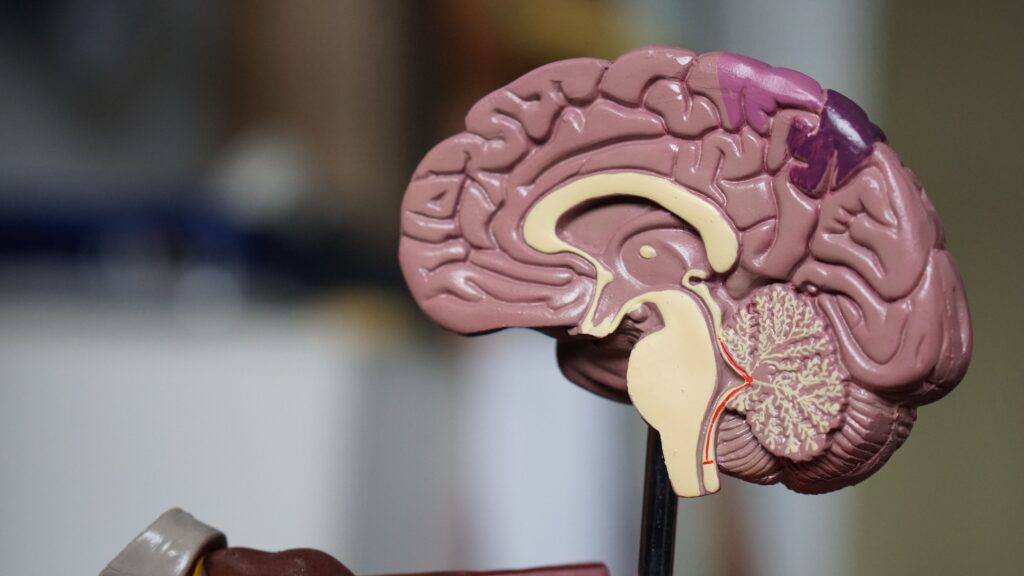
Research has shown that ADHD has a biological basis, with ADHD brains having visible differences in brain structure and function compared to neurotypical brains. ADHD is also highly heritable, with genetic factors accounting for approximately 70-80% of the variance in the condition.
Only children have ADHD
Another stereotype about ADHD is that it only affects kids. While ADHD is more commonly diagnosed in childhood, it can also affect adults. In fact, up to 60% of children with ADHD continue to experience symptoms into adulthood. ADHD can also develop for the first time in adulthood, although it may be more challenging to diagnose in these cases and often you’ll need to go private for an Adult ADHD Assessment.
Adults with ADHD may experience difficulties with time management, organisation, and concentration, which can have a big impact on their personal and professional lives.
ADHD is caused by bad parenting or a lack of discipline
There is a common stereotype that ADHD is caused by bad parenting or a lack of parental discipline, but research has shown that ADHD is primarily caused by genetic and neurological factors. While environmental factors can influence the severity of symptoms, they are not the primary cause of ADHD. Parenting interventions alone are not effective in treating ADHD and effective treatment usually involves a combination of medication and behavioural interventions.
ADHD only affects boys
ADHD is often portrayed as a condition that primarily affects boys, which can lead to assessment for ADHD students and subsequent treatment to be underrepresented in girls. While boys are more commonly diagnosed with ADHD than girls, research has shown that girls are more likely to have the inattentive subtype of ADHD, which can be less obvious than the hyperactive-impulsive subtype. Girls with ADHD may be more likely to be overlooked or misdiagnosed, which can lead to delays in receiving appropriate treatment.
People with ADHD are stupid and/or lazy
It is true that the condition can make people feel as if they are stupid. Often, they find completing tasks such as school work, homework, or work projects much more difficult and have less academic success than their peers and struggle with thinks like information retrieval. However, there is no clear link between ADHD and IQ and in fact recently, studies have revealed that individuals with ADHD often have average to above-average intelligence.

Medication will cure ADHD
Another common stereotype about ADHD is that medication is a ‘cure’ for the condition. While medication can be an effective treatment for ADHD, it is not a cure. ADHD is a chronic condition that requires ongoing management, and medication is just one component of a comprehensive treatment plan. Effective management often involves personalized strategies and ongoing guidance, helping individuals with ADHD to regain focus and achieve a balanced life.
In conclusion, there are many stereotypes about ADHD that are not necessarily true. ADHD is a real disorder with a biological basis, and it can affect both children and adults regardless of gender. Finally, while medication can be an effective treatment for ADHD, it is not a cure, and once a diagnosis has been made, a comprehensive treatment typically involves a combination of medication and behavioural interventions.