This post on the benefits of imaginative play was written in collaboration with Very.co.uk, who supplied all the imaginative and role play toys featured in this post. Words and pictures are my own.
What is imaginative play?
Imaginative or pretend play is when a child uses their imagination to role-play scenarios in an open-ended, unstructured way, with no rules or specific goals. For example, younger kids may copy what they see their parents doing; cooking, cleaning, getting dressed etc. Older children may use their imaginations to create scenarios where they’re working in a café serving up delicious treats, or a superhero saving the world. There are many benefits of imaginative play for children of all ages.
Nine benefits of imaginative play and how to encourage it
1. Imaginative play encourages language and communication skills

Research shows that one of the big benefits of imaginative play is how it helps childhood language development and teaches children to express themselves.
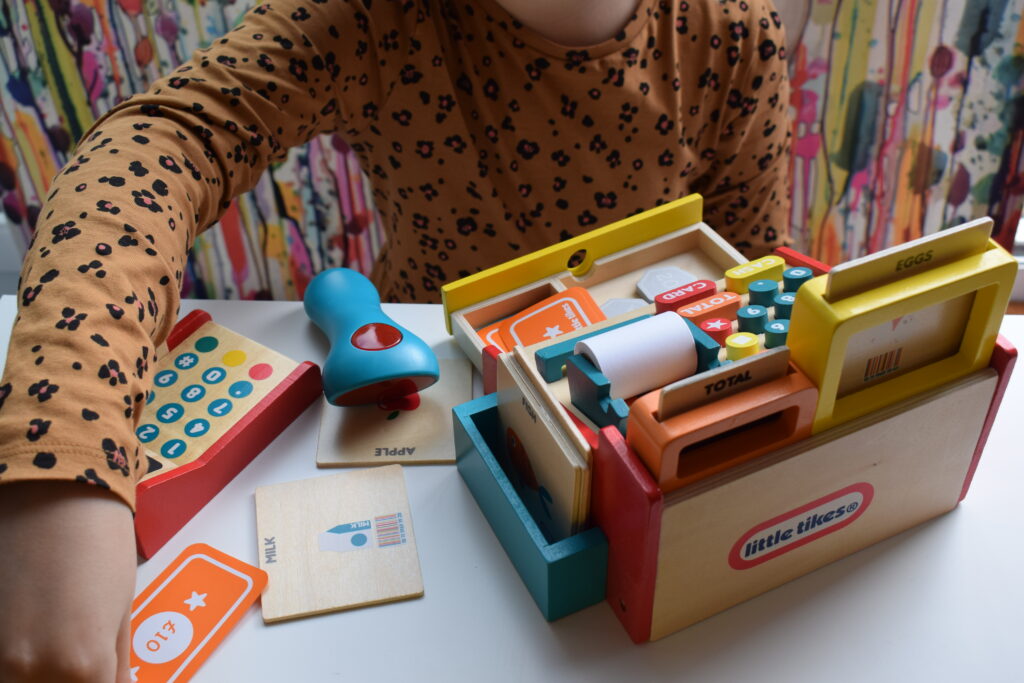
When children take part in pretend play, they copy words and sentences they have heard others saying, which helps their own vocabulary and language skills to develop in really amazing ways. Encourage them by engaging them in conversation; for example if they’re a café owner or a shop keeper and you’re the customer, asking what’s on the menu and then saying please and thank you as you’re being served all models excellent communication.
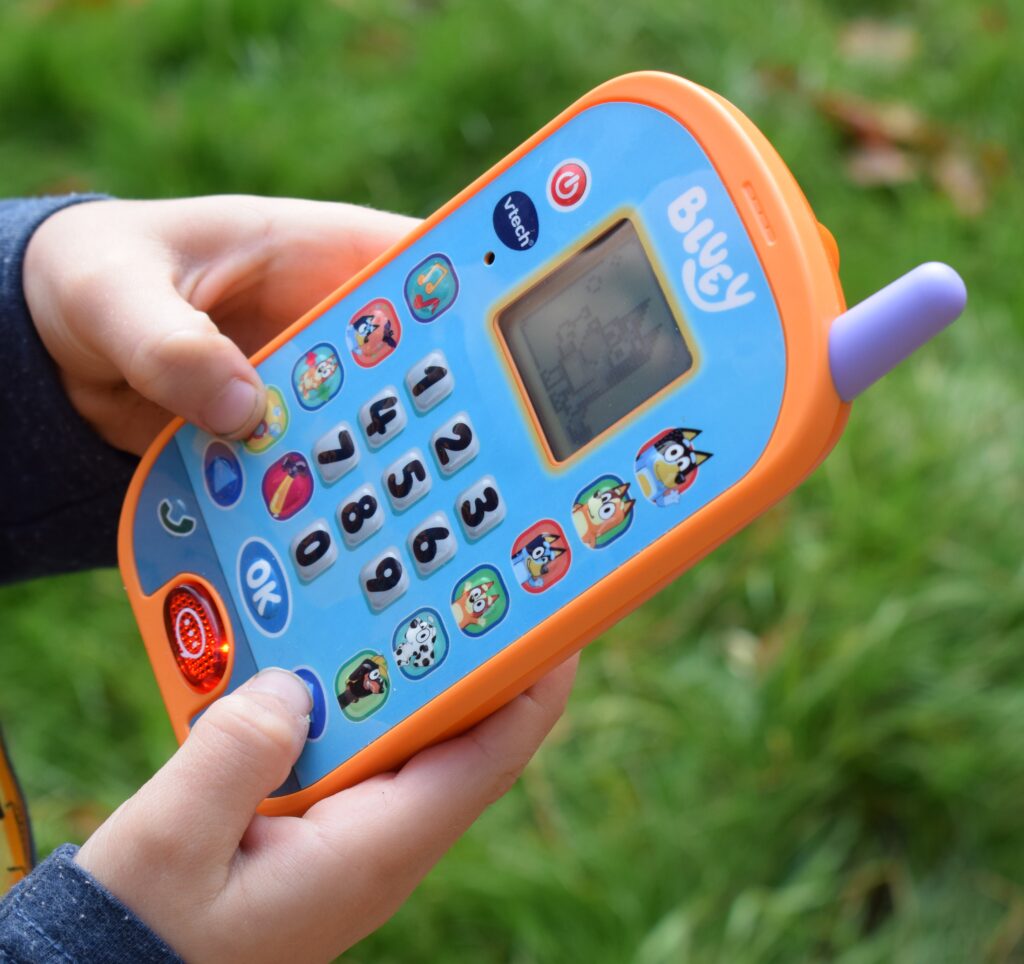
Small children love pretending to chat away on the phone (or remote control, or banana!) so whether it’s a homemade or shop-bought toy, or an old TV remote, these are a great toy for imaginative play.
2. Playing together builds their social development
It’s fascinating to watch children play together. As kids engage in imaginative play with other children they will learn to take turns, share, and work together, which is a key building block to understanding social skills and building relationships.
If a child doesn’t have siblings at home to engage in play with, then toddler groups or preschool settings are great places to encourage young children to partake in imaginative play, build relationships with other children and hit social development milestones before they’re old enough to start school.
3. Solitary play can foster independence
Learning to play alone is also important; children can’t be entertained every second of every day by their parent or carer, it just isn’t possible, and this is something that children of all ages can benefit from.
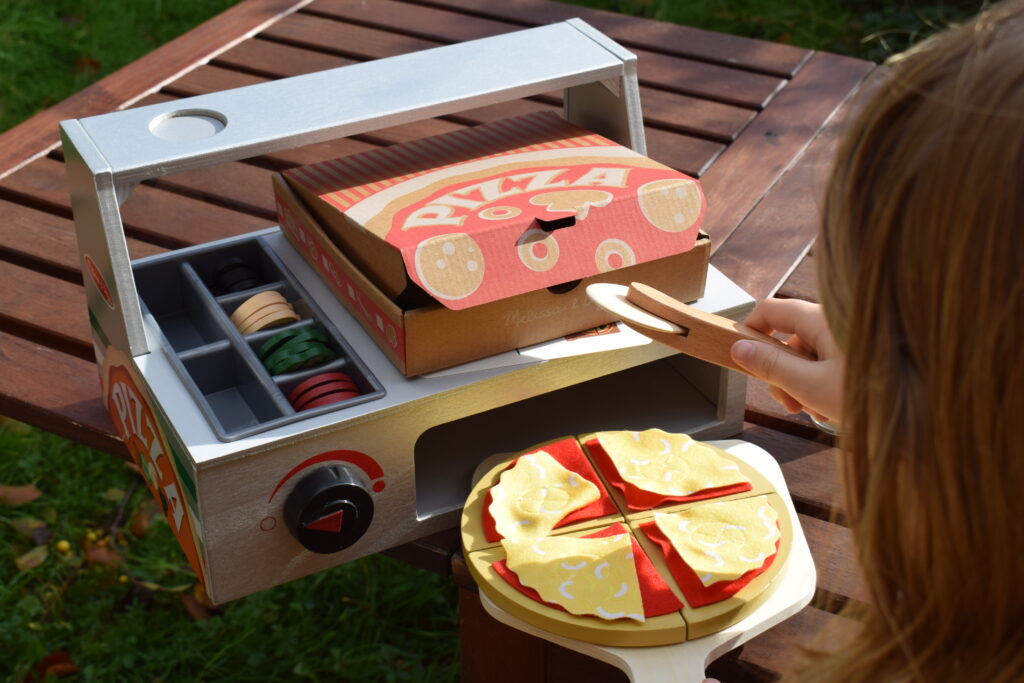
Imaginative play will encourage them to explore their world and try new things and can keep them engaged for hours even without much intervention from a parent or carer and without much specialist or expensive play equipment; for example stocking a shop from toys around their room, making a fort in their bedroom from duvet covers, turning their teddies into school pupils, or playing with superheroes and creating their own stories.
4. It teaches problem-solving
Kids learn to figure things out through playing. During imaginative play sessions, children will come across challenges and will use what they’ve seen in the world around them to try and solve them.
You can encourage this by engaging with them. Can I have a cup of tea please? Oh, I’ve spilled it on the floor, how shall we deal with that? The baby is unhappy, what shall we do? How are we going to save the world?!

5. It will make them more confident and gain real-world skills
Children will also mirror what they’ve seen to develop real-world skills; whether that’s going shopping, attending a hospital appointment, or even starting school.
If you have a child who is nervous about something, engaging in pretend play based on real-life scenarios can make them become normalised and less scary over time; one of the huge benefits of pretend play is that you can adapt it to confront any scenario that your child or you may be worrying about.
6. Caring role-play will aid their emotional development
Popular imaginative play for children can include looking after baby dolls or pretend pets, or being a doctor and treating patients with their doctor’s kit. When your child role plays in this way, they practice caring for others and being empathetic and kind, and helping others.
This isn’t something that is limited to toddlers; even older children enjoy playing in this way and you’ll reap the rewards of drinking all those pretend cups of tea when they’re old enough to make you a real one when you’re feeling poorly!


7. Open-ended play sparks creativity
Open-ended play encourages any child to think creatively because there are no rules to follow and no set structure, which is one of the great benefits of imaginative play.
There are many toys which can help spark creativity in children who may need a little help to get started; fancy dress costumes – bought or home made – are a good way to get kids’ imaginations whirring and create new stories and explore new ideas. With a bit of face paint, they can become whatever character – person or even animal – they want to be.
Blocks or empty boxes are great too; they have a great multitude of uses and your children may put them to use in ways you didn’t even think of!
A kitchen, café or cookery kit is are also popular toys to encourage imaginative play.
8. It’s fun!
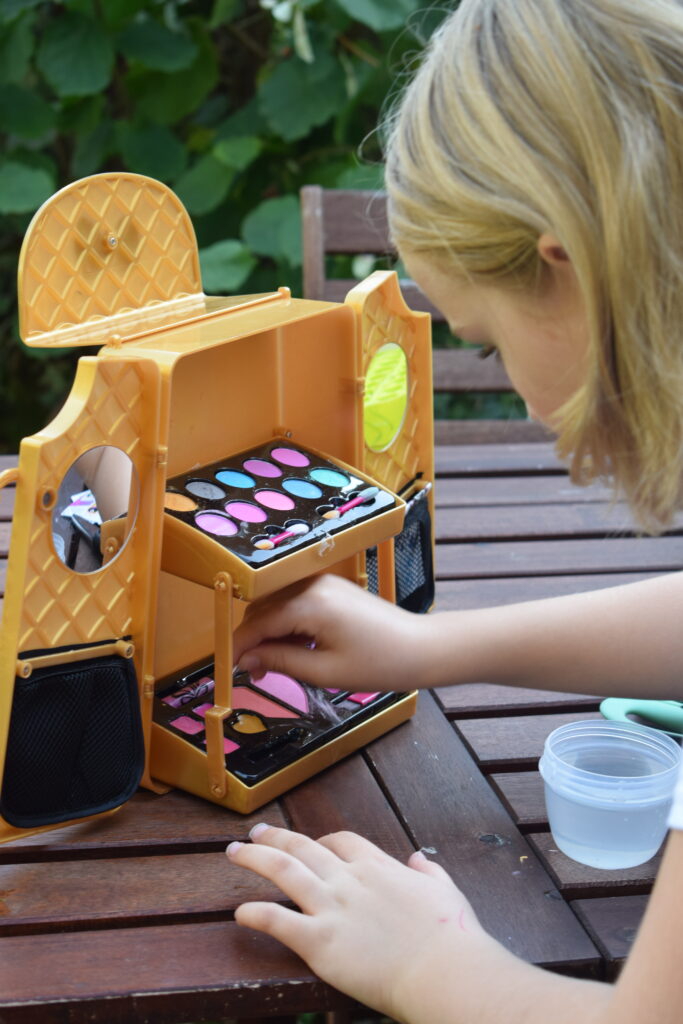
And lastly; a huge benefit is that playing is fun for kids of all ages. Whether it’s dressing up, making a spa day or battling with their toys, it’s undoubtedly better for kids to be using their imagination rather than sat in front of a screen. Pretend play will get their endorphins flowing and make them happier and calmer.