This post was written in collaboration with Books2Door but words and pictures are my own.
A fact that I’ve learned recently is that having books in the house is one of the single biggest indicators of a child’s future success, even taking everything else into account. Encouraging children to read is a wonderful way to help them develop their language skills, enhance their imagination, and cultivate a lifelong love of learning. It gives them something that they can do, quietly, at any time of day – no electronics required – to entertain themselves.
I’m delighted that my kids both share my love of reading; at their latest parent’s evening I was told that they have reading ages well beyond their years. They may well exceed mine (and they’re definitely higher than the average Daily Mail reader).

However it isn’t always so straightforward and many children just aren’t all that interested in reading for pleasure, particularly if they find it difficult. If you struggle with getting your children to read, here are some tips to help encourage them:
Have a big library to choose from
Children are more likely to be interested in reading if they have a say in the books, so being able to offer them a choice of what to read is a huge advantage.
A big library might seem like something that not every parent can afford to provide, but it needn’t cost you a fortune. If you have a local council-run library, join – for free – and add weekly visits into your routine. If you don’t have a library close by, then you can build your collection cheaply by popping into your local charity shops and pick up books for under £1, or even for free by keeping an eye on local Buy Nothing Facebook groups; people often want to pass on collections of books that their children have grown out of. Free libraries, run for and by the community, are starting to pop up in many places too – just remember to donate books back once you’re done!
If you love the smell and feel of brand new books but still want to save money, then boxsets of book from Books2Door offer great value. You can see what we chose below!

Make reading a fun activity
Reading shouldn’t feel like a chore or an obligation. Try to make it a fun and enjoyable activity by reading aloud together, acting out stories, or playing games that involve reading. As they get older, try out books from different genres and authors to find something that really sucks them in.
Show genuine interest
Show your child that you’re interested in learning about what they’re reading by asking question and talking about their books.
Create a cosy reading environment
Make the reading environment cosy and inviting. Set up a reading corner with comfortable seating – maybe a bean bag chair – good lighting, and of course, surrounded by plenty of books.

Lead by example
Children are great imitators and learn a lot by observing the behaviour of the adults around them. If children see their parents reading, they are far more likely to develop an interest in books themselves. If you struggle to find time to read, then you could set aside a specific time every day or week for the whole family to read independently but together. This could be before bedtime, after dinner, or on a lazy Sunday afternoon. Turn the Wi-Fi off and get everyone involved!
If you’re looking for something to get your teeth into, Books2Door also do a huge range of adult fiction and non fiction books. Watch this space as next month I’ll be choosing something for myself to read.
Celebrate reading achievements
If your child is a more reluctant reader, then celebrate your child’s reading achievements with praise, high fives, and rewards like a special outing or buying them new book when they finish an old one. Very reluctant readers may benefit from a reward chart, but be careful not to make it feel like a chore or introduce the notion that they have to be bribed to read anything!

Use technology to your advantage
Use audiobooks, e-books, and reading apps to make reading more accessible and engaging. Audiobooks for example can be especially helpful for children who struggle with traditional reading and have been shown to be hugely beneficial; there is more in this post about the benefits of audio books particularly for reluctant readers.
What we chose from Books2Door this month
This month, I gave my kids the choice of books from Books2Door. There are so many box sets available which offer really good value for money with up to 80% off the RRP.

What he chose: George’s Secret Key series by Lucy Hawking & Stephen Hawking (£16.99)
Written by Professor Stephen Hawking together with his daughter, this set of six books about George, an ordinary boy whose new next-door neighbours Eric, the scientist,, his daughter Annie, and a super-intelligent computer called Cosmos – who can open a portal into outer space – change his life forever.
Filled with facts that will keen avid learners and wannabe astronauts, this set of six stories is aimed at children aged 9+.
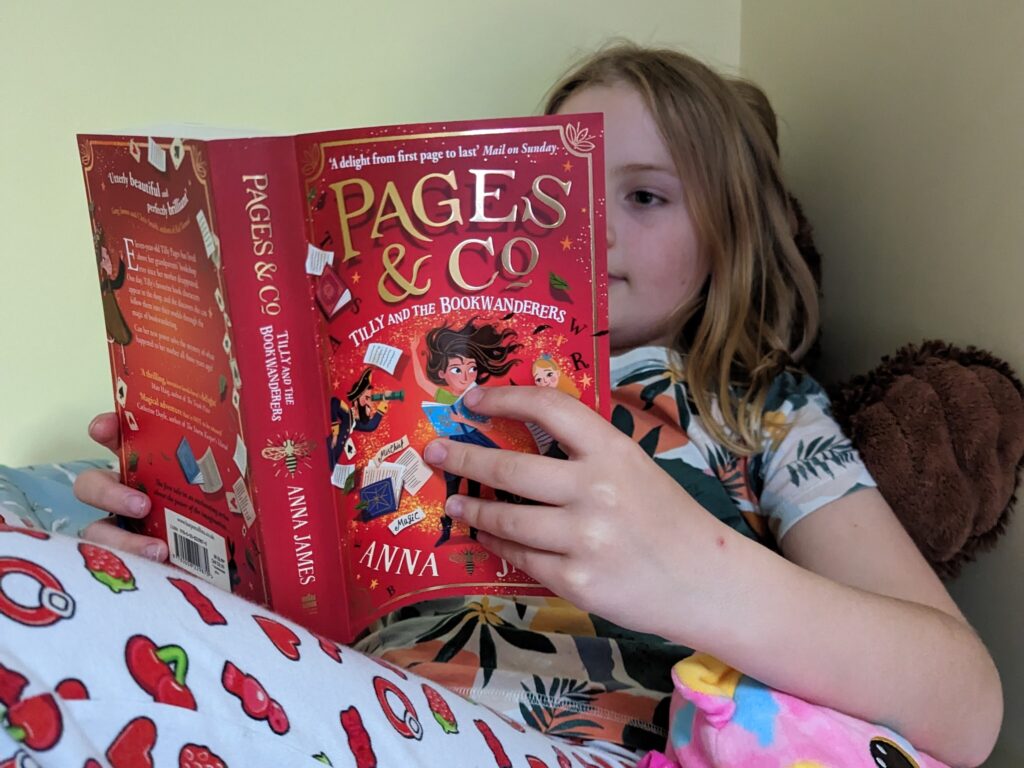
What she chose: Pages & Co Series by Anna James (£13.99)
Eleven-year-old Tilly Pages lives above her grandparents’ bookshop and one day she the magic of bookwandering; crossing over from the page into real life. Can her new power solve the mystery of why her mother disappeared?
This box set contains the first three books in the Pages & Co series and is aimed at children aged 9-14.
What I chose for them to share: The Demon Headmaster Collection by Gillian Cross (19.98)
I couldn’t resist sharing a little bit of my childhood with them and picking up this eight book box set. Aimed at children aged 8-12, even though it’s over 40 years old the Demon Headmaster mystery series is – at least, according to the reviews – still compelling for kids today. I can’t wait to get stuck into this one and see whether – like everything else I remember fondly – it’s aged really badly.
Check out the children’s books for 9-14 year olds on Books2Door here.