
This is a collaborative post: The after effects of a house fire can be absolutely devastating; most of us can’t even imagine losing our home and everything in it, or worse, but year there were over 27,000 house fires in the UK, and 193 people died from fires in their homes.
Here are some simple tips to help prevent house fires occurring in your home, and keep your family safe if they do.
1. Fit smoke alarms in your home
You’re around 8 times more likely to die in a fire if you do not have a working smoke alarm in your home, so fitting a smoke alarm on each level of your house is the simplest step you can take to protect your family. Ideally, you should position them on the ceiling in the middle of a room, and have one placed in the hallway and landing areas so that you can hear the alarm throughout your home. Don’t put them near kitchens or bathrooms where they can be set off by accident.
Choosing the right type of alarm for different areas of your property makes a big difference in how safe you are. Modern homes often benefit from interlinked systems where one alarm triggers all the others. This setup means you get an early warning even if a fire starts in a remote room like the garage or utility space. Brands like FireAngel provide smart safety options that connect without the need for complex wiring. These systems help protect your family by giving you more time to escape safely. If there is a smoke alarm already installed, check that it conforms to British Standard 5839-1. Ten-year sealed battery smoke alarms are usually the best option, as although they are slightly more expensive, you save on the hassle and the cost of replacing batteries.
Mains-powered alarms are powered by your home power supply and have a back-up battery in case of a power cut. They need to be installed by a qualified electrician.
2. Make sure you test smoke alarms regularly
Whatever kind of smoke alarms you have in your home, you need to make sure that you test them at least monthly and if you use battery powered alarms, then make a note to change your battery annually. Never disconnect or take the batteries out of your alarm if it goes off by mistake.
3. Quit smoking
Every six days someone dies from a fire caused by a cigarette. There are plenty of other reasons to give up smoking of course, but if you want your house to be safe then it could be time to kick the habit for good.
If you do smoke indoors, then make sure that all cigarettes are put out properly and disposed of. The same goes for candles, which can also cause house fires left unattended.
4. Check old and new electrical appliances
Faulty electrics (appliances, wiring and overloaded sockets) cause around 4,000 house fires every year in the UK.
When moving in to a new house, it’s important to check over any electrical appliances which are already in situ (eg washing machines and tumble driers) for British safety marks, and do not use extension leads for such appliances; high powered appliances require a socket to themselves.
Look out for signs of dangerous/loose wiring such as scorch marks, hot plugs and sockets, fuses that blow or circuit-breakers that trip for no obvious reasons, or flickering lights. If in doubt, get an electrician to look over the appliances.
All cooker and boiler installations should be carried out by approved by a Gas Safe Registered engineer for your safety; visit www.gassaferegister.co.uk for more details.
5. Fit carbon monoxide detectors
Around fifty people a year die from carbon monoxide poisoning due to faulty heating appliances.
Carbon monoxide poisoning can result from burning all fossil fuels, not just gas fires and boilers, so you’ll need a detector even if you just have an open fire. Check when your boiler or heating appliances were last serviced and consult a professional if in any doubt.
6. Check the chimney before any fires
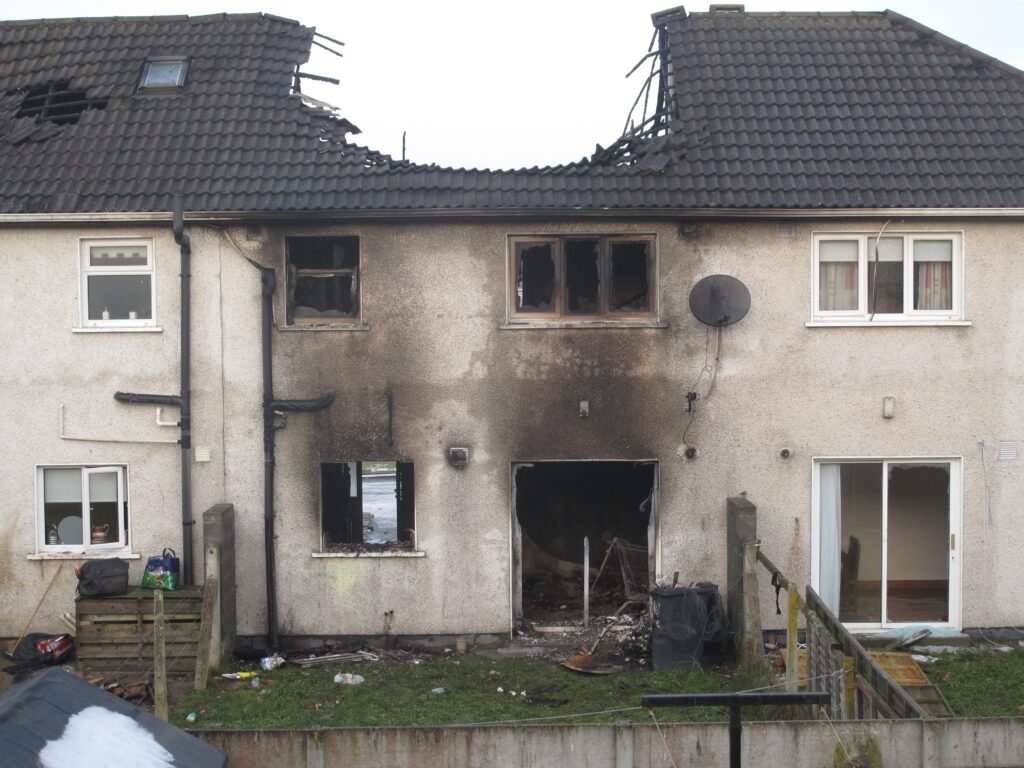
Open fires are great and give the room a really cosy atmosphere, but they can be dangerous. Before lighting one ensure that the chimney has been swept recently. If you don’t know when it was last swept, then arrange to have one carried out by a professional before you light the fire. Obviously you need to invest in a suitable fire guard and follow safety procedures.
7. Make sure you cook safely
Around half of house fires are caused by cooking accidents so it’s really important to be careful in the kitchen. Avoid cooking when under the influence of alcohol, as that’s a recipe for disaster. If you have kids it is very easy to get distracted; if you have to leave the room while cooking, take pans off the heat or turn them down to avoid risk.
Avoid leaving children in the kitchen alone when cooking on the hob. Keep matches and sauce pan handles out of their reach to keep them safe and make sure saucepan handles don’t stick out which can be knocked off the stove.
Always double check the cooker is off when you’ve finished cooking. Modern induction hobs often turn off after a period of time not in use; these are also really efficient so if you’re choosing new appliances, then it’s something to consider.
8. Know your escape route and what to do
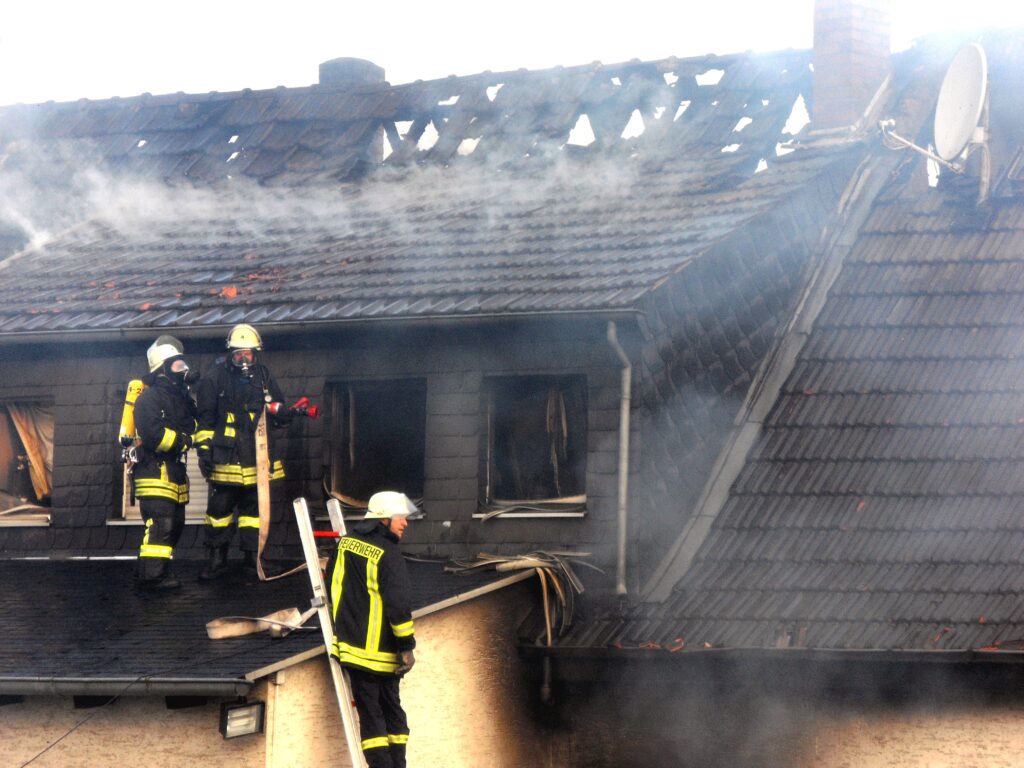
In the event of a fire, you need to get out quickly and not attempt to put it out yourself. Once you start to inhale smoke, you are not getting enough oxygen to live. Depending on the density and heat of the smoke, it may take 2 to 10 minutes to pass out or die.
It is vital for every member of the family to have basic fire safety training so they know what to do. Select an escape route and make sure everyone knows about it. Ensure the exit is clear at all times and there aren’t shoes, bags and toys cluttering up the escape route. If you’re in a flat, make sure you are aware of the fire procedures and the escape routes.
If doors or windows are locked at any time, everyone should be aware of where the keys are kept.
If you can’t get out as the escape route is blocked by fire, get everyone into one room – preferably with a large window. Place bedding around the bottom of the door to block out the smoke.
If you are able to grab your mobile, dial 999 then open the window and shout “HELP FIRE”.
If your clothing has caught fire, then remember to Stop, Drop and Roll!
9. Arrange a fire safety check
If you are worried then you can arrange a professional fire risk assessment or safety check from your local fire service. They will be able to talk you through important fire safety tips and advise you on escape routes etc to keep your home and family safer from fire.