
As the world moves towards sustainable energy solutions, solar panels have become an increasingly popular choice for households in Ireland.
Not only do they offer a renewable source of energy, but they can also significantly reduce electricity bills and carbon footprints. However, one of the key considerations for homeowners is the cost of solar panels and their installation. This blog will explore the various factors that influence the cost of solar panel installations for households in Ireland and the available financial incentives that can help offset these costs.
Factors Influencing the Cost of Solar Panel Installation
The cost of installing solar panels in Ireland can vary widely depending on several factors. Understanding these factors can help homeowners make informed decisions and budget appropriately for their solar energy systems.
1. System Size
The size of the solar panel system is one of the most significant factors affecting the overall cost. The size is typically measured in kilowatts (kW), and a larger system will generate more electricity but also cost more to install. For an average household, a system size of around 3-4 kW is usually sufficient.
- 3 kW System: Approximately €4,500 – €6,000
- 4 kW System: Approximately €6,000 – €8,000
2. Type and Quality of Solar Panels
The type and quality of solar panels also play a crucial role in the cost. Higher efficiency panels, such as monocrystalline panels, tend to be more expensive than polycrystalline panels but offer better performance and longer lifespans.
- Monocrystalline Panels: Higher efficiency, more expensive
- Polycrystalline Panels: Slightly lower efficiency, more affordable
3. Installation Costs
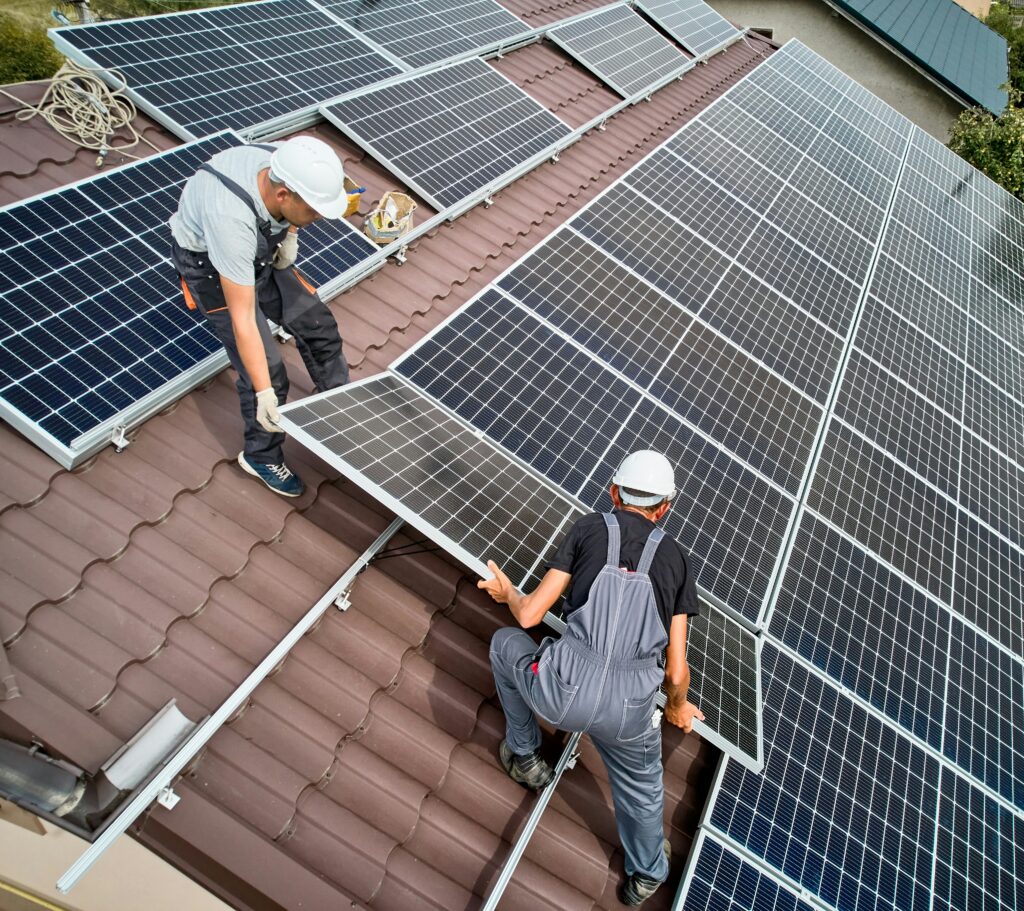
Installation costs can vary depending on the complexity of the installation. Factors such as roof type, roof angle, and accessibility can influence the labor costs. Typically, installation can cost between €1,000 and €2,000.
4. Inverter Type
The inverter converts the direct current (DC) generated by the solar panels into alternating current (AC) used by household appliances. There are different types of inverters, including string inverters, microinverters, and power optimizers, each with varying costs and efficiencies.
- String Inverter: Approximately €800 – €1,500
- Microinverter: Approximately €1,200 – €2,500
- Power Optimizer: Approximately €1,000 – €2,000
5. Battery Storage
Adding a battery storage system can significantly increase the initial cost but allows homeowners to store excess energy for use during periods when the sun isn’t shining. Battery storage systems can range from €4,000 to €10,000, depending on the capacity and brand.
6. Additional Costs
Additional costs can include maintenance, monitoring systems, and potential upgrades to the existing electrical system to accommodate the solar panels.
Available Financial Incentives and Grants
To make solar panel installations more affordable, the Irish government offers several grants and incentives for homeowners.
1. SEAI Grants
The Sustainable Energy Authority of Ireland (SEAI) provides grants for residential solar PV installations under the Solar PV Scheme. Homeowners can receive up to €2,400 towards the cost of a solar PV system. The grant amount is based on the system’s output capacity:
- €900 per kWp for the first 2 kWp: Up to €1,800
- €300 per kWp for the next 2 kWp: Up to €600
For example, a 4 kW system can receive a maximum grant of €2,400.
2. Home Renovation Incentive (HRI)
The Home Renovation Incentive (HRI) scheme provides tax relief on the cost of renovations, including solar panel installations. Homeowners can claim a tax credit of 13.5% on the installation costs, spread evenly over two years. This tax relief applies to costs between €4,405 and €30,000 (including VAT).
3. Zero VAT Rate
As of 2022, the VAT rate for solar panel installations has been reduced to 0%. This reduction makes solar panels more affordable and accessible for homeowners, further incentivizing the shift towards renewable energy.
4. Energy Savings and Payback Period
While the initial cost of solar panel installation can be substantial, the long-term savings on electricity bills can offset these expenses. The typical payback period for a solar panel system in Ireland is around 7-10 years, depending on the system size and household energy consumption. With the right system, homeowners can significantly reduce their reliance on grid electricity, leading to substantial savings over the system’s lifetime.
Conclusion
The cost of solar panel installation for households in Ireland varies based on several factors, including system size, panel type, installation complexity, and additional features like battery storage. However, with the available grants and incentives from the SEAI, the Home Renovation Incentive, and the reduced VAT rate, solar energy has become more accessible and affordable for homeowners.
Investing in solar panels not only helps reduce electricity bills but also contributes to a greener and more sustainable future. By carefully considering the factors outlined above and taking advantage of financial incentives, Irish homeowners can make informed decisions and reap the benefits of solar energy for years to come.