
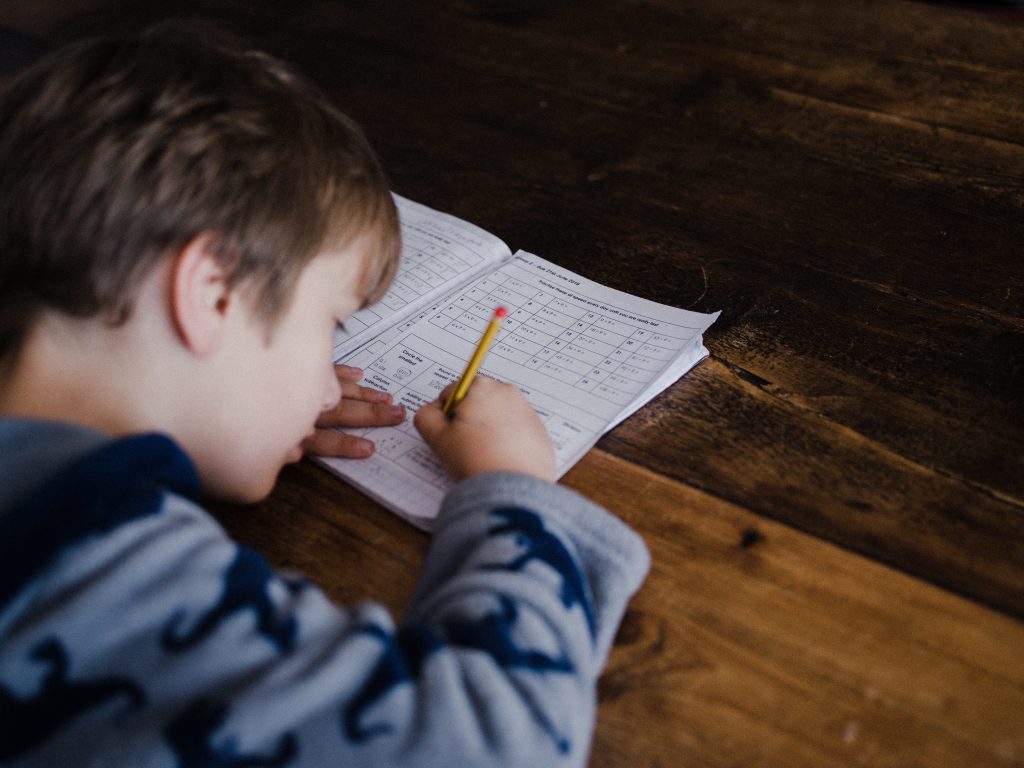
Every child is unique, possessing a distinct set of talents, preferences, and ways of absorbing information. Recognizing and catering to these individual learning styles can make a significant difference in a child’s educational journey. As parents and educators, understanding how your child learns best allows you to tailor their education to meet their specific needs, fostering a more effective and enjoyable learning experience.
Identifying Learning Styles
Learning styles refer to the preferred method or combination of methods through which an individual acquires, processes, and retains information. These styles can be broadly categorised into three main types: visual, auditory, and kinesthetic/tactile.
- Visual Learners: These learners grasp information best through images, diagrams, charts, and other visual aids. They often benefit from colour-coded notes, mind maps, and educational videos.
- Auditory Learners: Auditory learners thrive on verbal communication. They grasp information more effectively through spoken words, discussions, lectures, and auditory cues. These individuals might benefit from listening to educational podcasts, participating in group discussions, or using mnemonic devices.
- Kinesthetic/Tactile Learners: Kinesthetic or tactile learners learn best through physical engagement and hands-on activities. They understand and retain information by doing and experiencing. Interactive projects, experiments, and physical activities are crucial for their learning process.
Understanding your child’s primary learning style is a foundational step in tailoring their education. However, it’s essential to recognise that most individuals have a combination of these styles, with one being dominant.
Observing and Assessing Your Child’s Learning Style
Parents play a crucial role in identifying their child’s learning style. Observing how your child naturally engages with the world can provide valuable insights. Here are some indicators for each learning style:
- Visual Learners:
- Prefers reading and looking at pictures.
- Enjoys visualising concepts through drawings or diagrams.
- May have a keen sense of spatial orientation.
- Auditory Learners:
- Enjoys listening to stories, music, or discussions.
- Has a strong memory for spoken information.
- May excel in subjects that involve verbal communication.
- Kinesthetic/Tactile Learners:
- Enjoys hands-on activities and physical play.
- Learns better through movement and touch.
- Excels in subjects that involve practical application.
Conducting open conversations with your child about their preferences and experiences in various learning environments can also provide valuable insights into their learning style.
Tailoring Education to Individual Needs
Once you’ve identified your child’s primary learning style, the next step is to tailor their education accordingly. Here’s how you can create a personalised learning experience for each type:
- Visual Learners:
- Utilise visual aids such as charts, graphs, and diagrams.
- Incorporate colourful and well-organised study materials.
- Encourage the use of flashcards and visual mnemonics.
- Auditory Learners:
- Encourage discussions and group activities.
- Use educational podcasts, audiobooks, and videos.
- Allow for verbal expression during learning, such as explaining concepts aloud.
- Kinesthetic/Tactile Learners:
- Integrate hands-on activities and experiments.
- Incorporate physical movement into learning, such as role-playing or acting out concepts.
- Provide materials for interactive projects and exploration.
The Benefits of Tailoring Education
Adapting education to individual learning styles yields numerous benefits. When children are taught in a way that aligns with their preferred style, they are more engaged, motivated, and likely to retain information. Tailoring education helps build confidence and a positive attitude towards learning, as children experience success in their preferred mode of understanding.
Moreover, recognising and respecting diverse learning styles fosters a more inclusive educational environment. It acknowledges that there isn’t a one-size-fits-all approach to teaching and learning. Embracing this diversity ensures that each child has the opportunity to thrive academically and develop a lifelong love for learning.
Conclusion
Understanding your child’s learning style is a powerful tool for enhancing their educational experience. By observing, assessing, and tailoring education to meet individual needs, parents and educators can create a supportive and enriching learning environment. Recognising that each child is unique and embracing diverse learning styles not only enhances academic performance but also nurtures a lifelong love for learning.
In this journey towards personalised education, platforms like TutorExtra UK play a vital role. Connecting parents and students with private tutors, TutorExtra UK offers a tailored approach to learning by matching students with educators who can adapt their teaching methods to align with individual learning styles.