
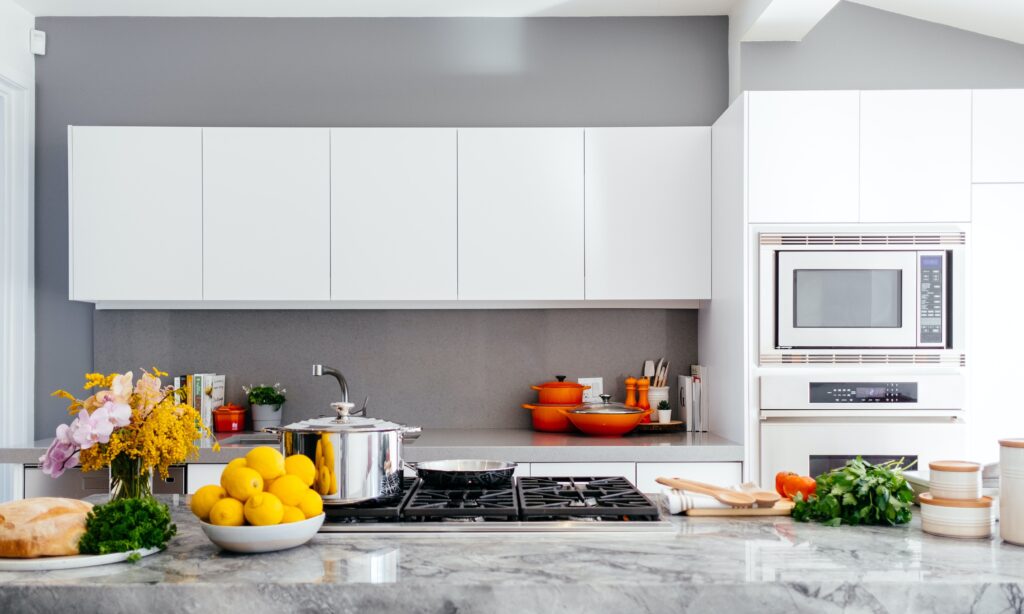
Imagine a kitchen that’s not only a hub of delicious culinary creations but also a sanctuary of freshness and health. Welcome to the world of hypoallergenic kitchens! These kitchens are designed to minimize allergens and create a safe space for everyone, especially those with allergies or sensitivities. In this comprehensive guide, we’ll explore the joy of creating a hypoallergenic kitchen while making it accessible to all. One of the essential elements in achieving this goal is the use of range hoods, and we’ll delve into their role as we go along.
The Heart of the Home: Your Kitchen
Our kitchens are more than just a place to cook; they are the heart of our homes. It’s where families gather, stories are shared, and memories are made over scrumptious meals. But for those with allergies, it can also be a place where sneezes and sniffles become all too familiar. The good news is that with a few thoughtful tweaks, you can transform your kitchen into a hypoallergenic haven, ensuring that every family member can enjoy this central space without worries about allergies or sensitivities.
1. Invest in a Quality Range Hood
Let’s start with a game-changer for your kitchen: the range hood. Range hoods are the unsung heroes of the culinary world. They work tirelessly to keep the air clean by capturing cooking fumes, steam, and even allergenic particles that might be released during meal preparation.
When choosing a range hood, it’s important to consider factors beyond aesthetics. Opt for one that offers effective ventilation and filtration. This will help ensure that allergens like cooking smoke, airborne grease, and even pollen are efficiently removed from the air. Range hoods come in various styles, from under-cabinet to wall-mounted to island hoods, so you can find one that suits your kitchen’s aesthetics while promoting a healthier indoor environment.
Having a range hood that effectively removes allergens from the air is a significant step towards a hypoallergenic kitchen. It not only improves air quality but also makes cooking more enjoyable and hassle-free.
2. Keep Surfaces Clean and Allergen-Free
A hypoallergenic kitchen begins with cleanliness. Regularly wipe down countertops, tables, and other kitchen surfaces to remove dust, crumbs, and potential allergens. Consider using hypoallergenic cleaning products that are free of harsh chemicals and fragrances. These products are gentle on both your kitchen and your family’s health.
A clean kitchen not only reduces allergen exposure but also promotes a welcoming and pleasant environment. Make it a family habit to clean up after meals and cooking sessions to maintain a tidy and allergen-free space.
3. Choose Allergen-Friendly Cookware and Utensils
Selecting the right cookware and utensils can also make a significant difference in the allergen levels of your kitchen. Opt for nonstick pans with a quality coating to reduce the need for excessive oil, which can release allergens when heated. Stainless steel, glass, and silicone kitchen tools are excellent choices, as they are less likely to trap allergens and are easy to clean.
Investing in high-quality, allergen-friendly cookware and utensils not only enhances the safety of your kitchen but also contributes to the quality of your meals. Nonstick pans, for instance, make cooking with less oil a breeze, promoting healthier cooking practices.
4. Minimize Dust and Clutter
Clutter can be a breeding ground for allergens, as it provides more surfaces for dust to settle. Simplify your kitchen by organizing your utensils, dishes, and cookware. Use storage solutions that are easy to clean, such as closed cabinets or clear plastic bins. This not only makes your kitchen more accessible but also helps keep allergens at bay.
Reducing clutter doesn’t mean sacrificing functionality. In fact, an organized kitchen can make meal preparation more efficient and enjoyable. Take the time to declutter regularly and create a streamlined and allergen-free kitchen space.
5. Regularly Clean and Maintain Your Range Hood
Now, let’s circle back to your trusty range hood. To ensure it operates at peak efficiency, it’s essential to clean and maintain it regularly. Follow the manufacturer’s guidelines for cleaning the range hood’s filters and components. A clean range hood will continue to be your kitchen’s ally in maintaining a hypoallergenic environment.
Regular maintenance of your range hood is not just about cleanliness; it’s also about functionality. A well-maintained range hood operates more efficiently, removing cooking odors and allergens effectively.
6. Opt for Allergen-Reducing Flooring
Your choice of flooring can also impact allergen levels in your kitchen. Hardwood, tile, or vinyl flooring is easier to clean and less likely to trap allergens compared to carpet. If you prefer the warmth of carpet, consider area rugs that can be easily removed and cleaned.
The type of flooring you choose can also affect the overall feel of your kitchen. Hardwood flooring, for example, adds a touch of warmth and elegance to the space, making it not only hypoallergenic but also inviting.
7. Introduce Air-Purifying Plants
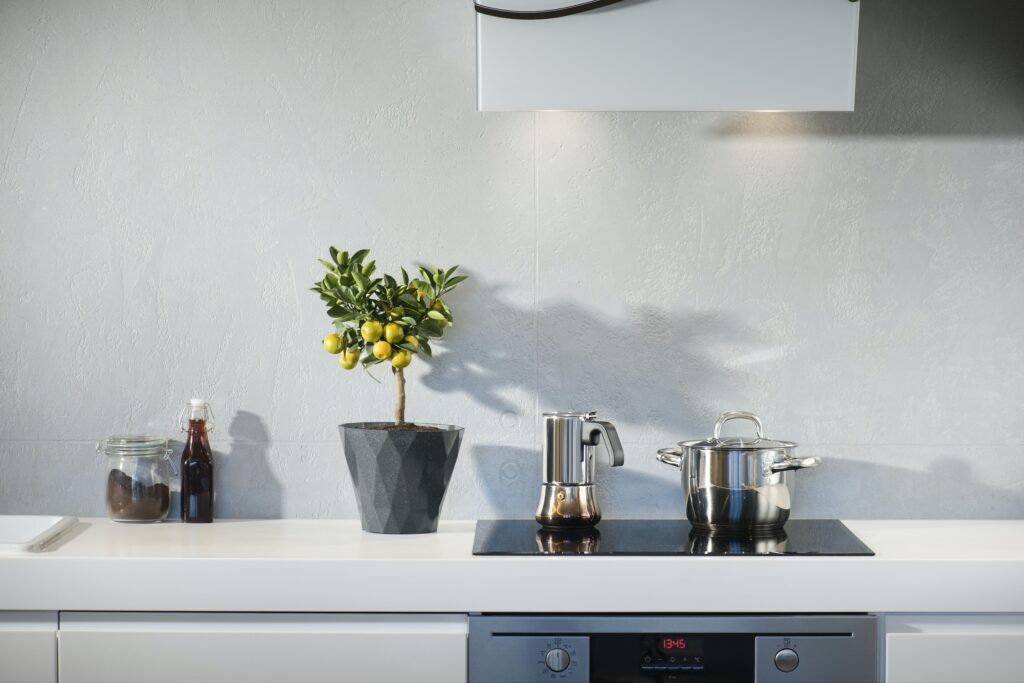
Plants not only add a touch of greenery but can also help purify the air. Some houseplants, such as snake plants, spider plants, and peace lilies, are known for their air-purifying properties. Place them strategically in your kitchen to promote cleaner, fresher air.
Air-purifying plants not only contribute to better air quality but also bring a natural element to your kitchen’s decor. They can be a delightful addition to your kitchen, creating a soothing and healthy atmosphere.
8. Create a Dedicated Pet Area
If you have furry family members, create a designated area for their food and water dishes in the kitchen. This helps contain pet-related allergens and makes it easier to clean up after them.
Designating a specific area for your pets also reinforces healthy boundaries and hygiene in your kitchen. It ensures that both your furry friends and your family can coexist comfortably and cleanly.
9. Encourage Regular Handwashing
Teach your family the importance of handwashing before and after handling food. This simple habit can help prevent the transfer of allergens and maintain a hygienic kitchen environment.
Handwashing is a fundamental practice that not only reduces allergen exposure but also promotes overall health and well-being. It’s a habit that can be instilled in children from a young age, ensuring a safe and clean kitchen for years to come.
10. Consult with an Allergist
If allergies are a significant concern in your household, consider consulting with an allergist for personalized advice. They can provide insights into specific allergens to watch out for and offer recommendations tailored to your family’s needs.
Consulting with an allergist is a proactive step toward managing allergies effectively. They can help identify specific allergens that may be present in your kitchen and offer guidance on how to minimize exposure.
Conclusion: A Kitchen for All
Creating a hypoallergenic kitchen isn’t just about minimizing allergens; it’s about fostering a welcoming and inclusive space where everyone can enjoy the pleasures of cooking and dining. With a combination of thoughtful design choices, regular cleaning routines, and the support of trusty range hoods, you can transform your kitchen into a haven of health and happiness for your entire family.
So, here’s to a kitchen that’s not just about the food but also about the love and care that goes into every meal. Happy cooking, and may your hypoallergenic kitchen be a place of joy for all who gather there.
Jennifer Bell is an avid home renovator, a wellness coach, and a writer for range hood companies in the Philadelphia area.