Clutter-free interiors have become a defining feature of contemporary homes, and hidden storage is often what makes that possible. As designers look for ways to keep rooms visually calm without sacrificing practicality, concealed storage has moved from a niche detail to a genuine design priority.
The Appeal of Concealed Storage in Modern Homes
Hidden storage appeals because it lets a room do more without looking like it’s doing more. Built-in cabinets, furniture with secret compartments, and flush-fitted joinery all keep everyday clutter out of sight, which has a real impact on how a space feels day to day. Research from a self-storage specialist, Attic Storage, based on a survey of UK households, found that people spend an average of eight and a half minutes a day searching for misplaced items, which is a small but telling sign of how much clutter can quietly erode daily life, and one reason well-designed concealed storage has become so sought after.
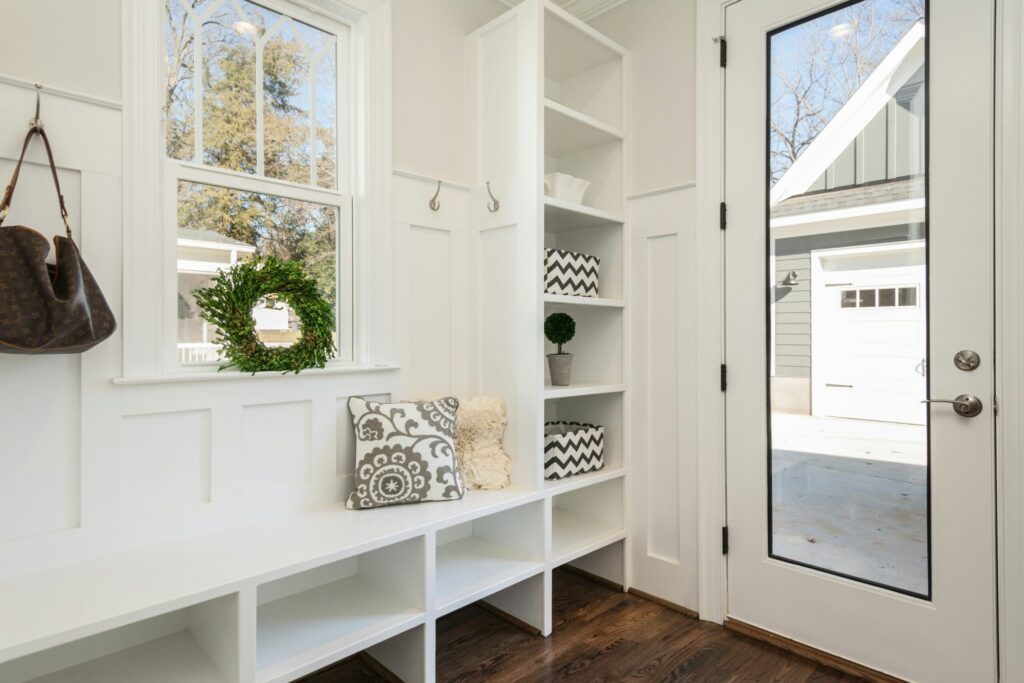
Understairs Storage: Making the Most of Unused Space
Few areas go to waste as consistently as the space under a staircase. Rather than leaving it as an awkward gap or dumping ground, homeowners are turning it into drawers, shelving, or even a small home office or reading nook. Besides the obvious practical gain, a well-designed understairs storage solution can tidy up sightlines through a hallway or open-plan space, making the whole area feel more considered and less like an afterthought.
Natural Materials for Seamless Integration
Natural materials play a key role in making hidden storage feel like part of a room instead of bolted onto it. Wood, stone, and bamboo finishes blend more convincingly into existing joinery and flooring than high-gloss or synthetic alternatives, helping concealed units disappear rather than draw attention. UK design search data backs this up: Houzz’s 2026 emerging trends report points to a marked rise in homeowners searching for smart storage solutions alongside natural, textured finishes. A natural oak-toned understairs storage unit is a good example of this pairing, using warm, tactile materials to make functional storage feel like a deliberate design choice instead of a compromise.
Designing for Function and Style
The best hidden storage solutions treat form and function as equally important from the outset, rather than styling practicality after the fact. Customising a unit to fit an exact space, whether that’s an alcove, a stair void, or a run of wall, tends to produce a far more seamless result than off-the-shelf options. Readers renovating their own homes would do well to think about both how a space will be used and how it should look before committing to a layout.
Embracing Hidden Storage for a Modern Lifestyle
Hidden storage and natural materials, used well together, do more than tidy a room, and they shape how a home feels to live in. Considered design choices like these are a small investment that pays off in calmer, more functional everyday spaces.