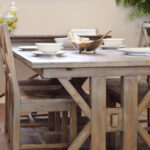
Japandi has become one of the most recognisable interior styles of the last decade, and also one of the most misunderstood. Scroll through enough inspiration images and you could be forgiven for thinking it requires a full renovation budget, a south-facing living room and a handmade oak coffee table. It doesn’t. The style is built on a small number of principles, and once you understand what they actually are, you can achieve the look with restraint rather than spending.

What Japandi Actually Is
The name is a portmanteau of Japanese and Scandinavian design, and it works because the two traditions share more than they differ. Both value simplicity, natural materials and craftsmanship. Both treat empty space as a design element rather than something to be filled.
Where they differ is in temperature and tone. Scandinavian interiors lean light, bright and airy, a practical response to long, dark winters. Japanese design draws on concepts like wabi-sabi, the appreciation of imperfection and age, which brings darker woods, muted earth tones and a tolerance for visible wear. Japandi sits between the two: warmer than pure Scandi, lighter than traditional Japanese interiors.
That balance matters for budgeting, because it means the style is forgiving. Slightly mismatched wood tones read as intentional. A well-worn linen throw looks better than a pristine one.
Start With Texture, Not Furniture
The most common budget mistake is buying furniture first. Japandi rooms are usually sparse, so individual pieces get scrutinised, and good solid-wood furniture is expensive. Texture is where the style actually lives, and texture is far cheaper to add.
Vertical timber battens are the clearest example. Slatted wall panels deliver the rhythm, shadow and warmth that define the look, and they cover a large visual area for a fraction of what a statement furniture piece costs. The repeating vertical lines draw the eye upward, which makes a room feel taller, and the gaps between slats create soft shadow gradients that shift through the day as light moves across the surface.
There’s a practical benefit too. Timber slats mounted over an acoustic backing absorb mid and high frequency sound, which reduces echo in rooms with hard floors and minimal soft furnishings, exactly the conditions minimalist interiors tend to create. A room can look calm and still sound harsh; this solves both at once.
Beyond timber, build texture in layers: a jute or wool rug, linen curtains rather than synthetic, ceramic rather than glass, a single woven basket. Each individual item is inexpensive. Collectively they do the heavy lifting.
Get the Colour Palette Right
Japandi palettes are narrow and warm-neutral. Think off-white, oatmeal, clay, soft greige, warm greys, with black used sparingly as a grounding accent, a lamp base, a picture frame, a door handle.
Avoid cool, blue-toned whites. They read as clinical and undermine the warmth that separates Japandi from generic minimalism. If you’re painting, test samples against your actual light before committing; north-facing rooms need warmer shades than the colour card suggests.
Wood tones should be in the same family but need not match exactly. Two or three related tones look considered. Five competing ones look accidental.
Lighting Does More Than Furniture
Harsh overhead lighting will flatten any interior, and Japandi in particular. Replace or supplement the ceiling pendant with several lower light sources: a floor lamp, a table lamp, a wall light. Use warm bulbs, around 2700K, and put lights on dimmers where you can.
Paper and fabric shades diffuse light softly and are directly in keeping with the style. A rice paper lamp costs very little and does more for the atmosphere of a room than most furniture.
Edit Ruthlessly
The hardest and cheapest part. Japandi depends on negative space, clear surfaces, visible floor, walls that aren’t crowded. Removing three objects from a shelf costs nothing and often improves a room more than adding a fourth would.
Aim for storage that conceals rather than displays. Closed cabinets over open shelving. One considered object on a sideboard rather than a grouping.
Where to Spend
If the budget allows one indulgence, put it into whatever you touch or look at most: the sofa, the bed, or the largest wall surface. Everything else can be sourced secondhand, painted, or simply left out. Restraint isn’t a compromise in this style, it’s the point.