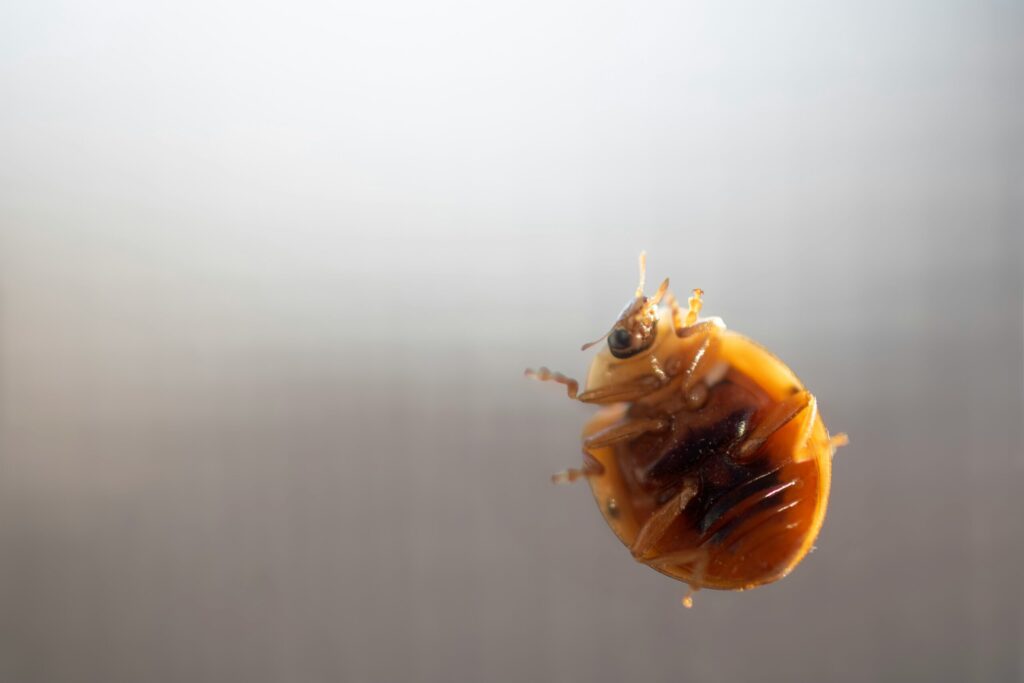
Finding a single bed bug can feel unsettling, but the real danger lies in what happens over the following weeks. These insects reproduce quickly, hide in places most people never think to check, and travel between rooms with surprising ease. A minor issue in one bedroom can turn into a full infestation if it goes unaddressed for even a short period, so early action makes a real difference.
Bed bugs disperse more slowly than some other pests, so there is usually a window of opportunity to contain them before they colonise multiple rooms or spread to neighbouring properties.
Recognising The Early Warning Signs
The first indication of bed bugs is often small reddish-brown stains on sheets or mattress seams, left behind when the insects are crushed during sleep. These marks are easy to dismiss at first, since bed bug bites don’t always cause immediate irritation. Some people go weeks without noticing any reaction, even as the insects continue feeding at night. This is often the point where calling in pest control for bed bugs makes the biggest difference, since a trained inspection can confirm what’s easy to miss with the naked eye.
Beyond bite marks, a musty odour sometimes develops in heavily infested rooms, caused by pheromones the insects release. Dark speckling along mattress piping or skirting boards is another clue, representing dried faecal matter rather than dirt or mould. Shed skins and tiny white eggs, roughly the size of a pinhead, are harder to spot but confirm an active breeding population when found. Acting on early evidence gives a household its best chance of stopping the spread before it reaches other rooms.
Why Bed Bugs Move Faster Than People Expect
Bed bugs don’t fly and don’t jump, so their spread depends entirely on crawling or hitching rides on objects moved around a home. Shared walls in flats and pipes running between units can all serve as pathways, which is partly why multi-occupancy buildings see faster spread than detached houses.
Clutter accelerates the process, since it gives the insects more places to hide close to a host. Once bed bugs establish themselves in a second location, treating the original room is no longer enough, as eggs and adults left behind elsewhere will simply repopulate the area later.
Getting Professional Help Before The Infestation Grows
DIY remedies like steam cleaning or over the counter sprays can reduce visible numbers, but they rarely eliminate an infestation completely once bed bugs have spread beyond one room. Treatment often requires locating hiding spots a homeowner would likely miss, including gaps behind skirting boards and inside furniture joints. A professional assessment typically starts with identifying every affected room rather than assuming the problem is isolated, which saves both time and money compared with repeated partial treatments.
Practical Steps To Contain An Infestation At Home
Isolating affected furniture is one of the most effective immediate actions a household can take. Moving an infested mattress away from walls reduces the chance of bed bugs crawling onto neighbouring items, buying time before treatment begins. Sealing it in a mattress encasement traps any insects inside, starving them out over several months.
Washing bedding on the hottest setting the fabric allows, then tumble drying on high heat, kills bed bugs and their eggs through temperature rather than chemicals, though this does nothing for furniture or wall cavities. Regular vacuuming of mattress seams also removes insects before they lay more eggs, and the vacuum bag should be sealed and disposed of immediately afterwards.
Preventing A Recurrence After Treatment
Once an infestation has been treated, ongoing vigilance matters more than most people expect, since a small number of surviving eggs can restart the problem months later. Regular inspection of mattress seams, even after visible signs disappear, catches any resurgence early. Travellers should also check luggage after staying in hotels, since this remains a common way bed bugs enter a home. Second-hand furniture deserves particular caution, as it’s one of the most frequent sources of new infestations. Inspecting seams and internal frames before bringing any used item indoors prevents a resolved problem from starting over unnecessarily.
Taking Action Early Makes All The Difference
A bed bug problem rarely stays small for long, but households that catch the early signs and respond quickly, whether through careful cleaning, isolating affected items, or professional treatment, are the ones that avoid a much larger and costlier infestation later.