
Making friends is an important part of childhood, but for many children, it doesn’t always come easily. Some children are naturally outgoing, while others are shy, cautious, or unsure how to connect with peers. As a parent or caregiver, it can be hard to watch your child struggle socially—but the good news is that there’s a lot you can do to support them both at home and in school.
Helping your child make friends isn’t about forcing friendships. It’s about building confidence, social skills, and opportunities for connection.
Understand Your Child’s Social Style
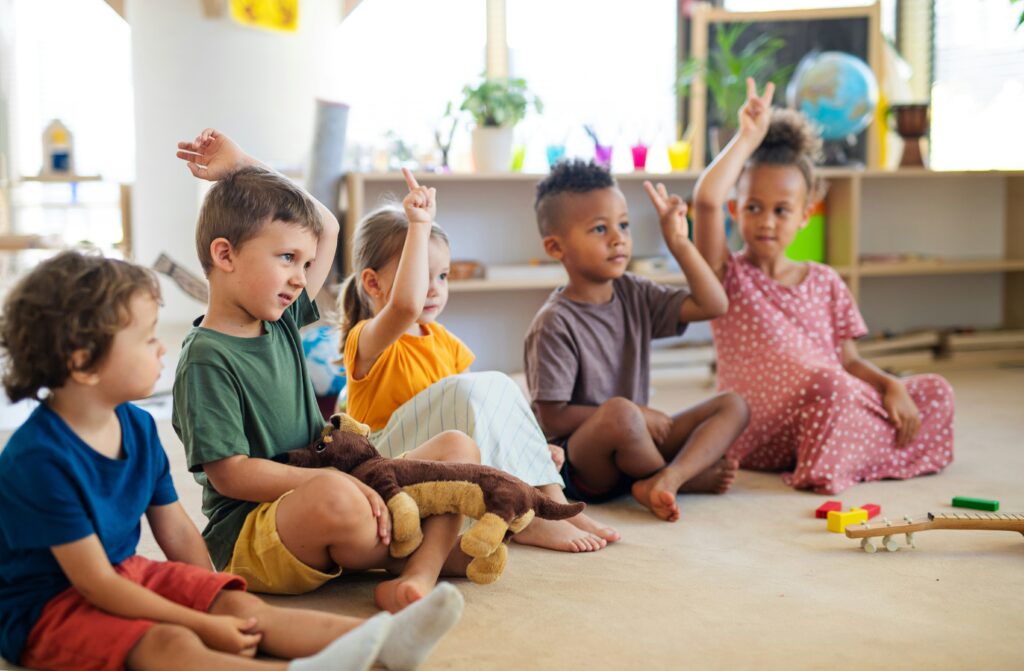
Every child is different. Some children thrive in large groups, while others prefer one-on-one friendships. Some need time to warm up, and others jump right in.
Start by:
- Observing how your child interacts with others
- Listening to how they feel about friendships
- Accepting their temperament without comparing them to others
There’s no “right” way to make friends—what matters is helping your child feel comfortable being themselves.
Teach Basic Social Skills at Home
Social skills don’t always come naturally—they can be learned and practiced, just like reading or riding a bike.
You can help by:
- Practicing how to start conversations
- Role-playing common situations, like joining a game
- Teaching the importance of sharing, listening, and taking turns
Simple phrases such as “Can I play too?” or “Do you want to sit together?” can make a big difference for a child who feels unsure.
Encourage Confidence, Not Perfection
Children who feel good about themselves are more likely to approach others and form friendships.
Boost confidence by:
- Praising effort rather than outcomes
- Highlighting your child’s strengths and interests
- Avoiding criticism of social mistakes
Remind your child that everyone feels nervous sometimes and that not every interaction will lead to a friendship—and that’s okay.
Create Opportunities for Social Interaction
Friendships grow through shared experiences. Giving your child chances to interact with peers outside of school can help friendships form more naturally.
Consider:
- Playdates with classmates or neighbors
- Clubs, sports teams, or hobby groups
- Community activities or classes
Structured activities can be especially helpful for children who feel overwhelmed in unstructured social settings.
Support, Don’t Solve
It’s tempting to step in when your child faces social challenges, but learning how to handle these situations builds resilience.
Instead of fixing the problem:
- Ask open-ended questions like “How did that make you feel?”
- Help your child think through possible solutions
- Offer guidance without taking control
This approach teaches independence and problem-solving while still providing emotional support.
Talk About Friendship Honestly
Friendships aren’t always easy—and that’s an important lesson for children to learn.
Talk openly about:
- What makes a good friend
- How conflicts can happen and be resolved
- The difference between kind friends and unkind behavior
Helping your child understand healthy friendships empowers them to make better social choices.
Be Patient and Reassuring
Friendships take time. Some children form close bonds quickly, while others need months—or even years—to find their people.
Reassure your child that:
- They are not alone in feeling this way
- Friendships change and grow over time
- Being kind and open creates opportunities
Your calm, patient support helps your child feel safe as they navigate social relationships.
Helping your child make new friends is less about pushing them into social situations and more about equipping them with confidence, skills, and reassurance. With encouragement, understanding, and time, most children find their place socially.
By supporting your child with empathy and patience, you’re not just helping them make friends—you’re helping them build connections, resilience, and self-belief that will last a lifetime.