
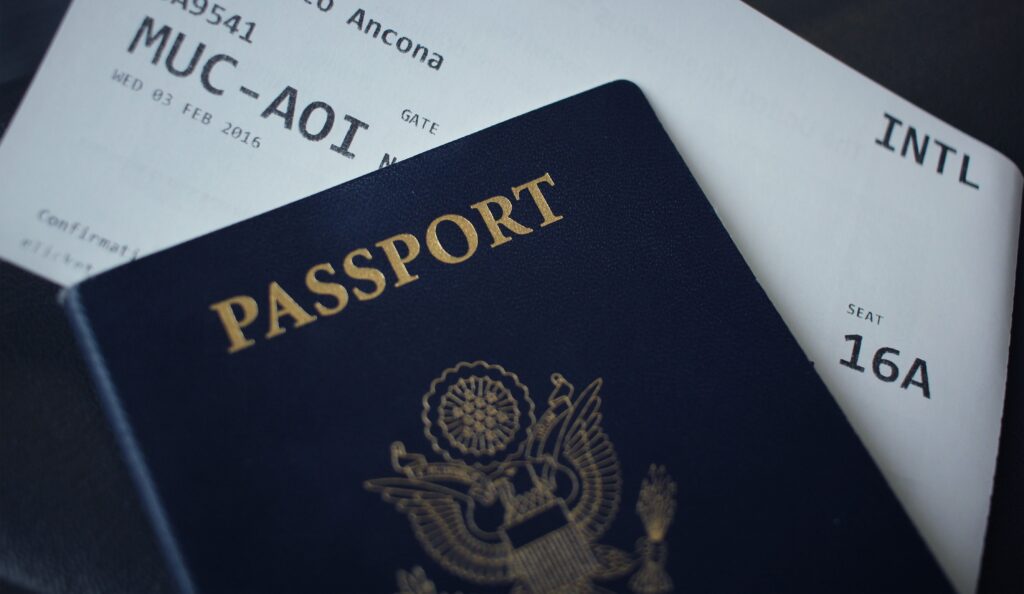
This is a collaborative post: Rif Trust, an investment migration consultancy, reports a 23% increase in global demand for second residency and citizenship-by-investment (CBI).
Technology has made the world more linked, but it hasn’t helped border crossers. Second passports are sought to overcome this movement constraint. Second passports were traditionally considered luxury items, like expensive cars.
Middle-class people now want second passports. With minimum investments of $100,000, CBI programs in St. Lucia, Dominica, and Antigua and Barbuda have helped change perceptions.
Second passports offer affordable healthcare and education. However, with inflation rising and a worldwide recession approaching, many people have sought a second passport to secure a better financial future.
- Financial safety
Second passports enable international bank accounts. This lets you store your money in a country with better incentives than your own, protecting it.
Consider Cyprus. Expats were barred from withdrawing money in 2013.
Lebanon has a similar issue. Since 2019, the country’s banks have had limited dollar withdrawals and will remain closed indefinitely. As Lebanon’s economic crisis deepens, bank customers cannot access their funds.
Your wealth is protected by having dual citizenship by investment and banking abroad. Singapore and Switzerland offer banking confidentiality to protect investors.
- Investment prospects
A second passport opens up greater financial assets for investing. It lets you diversify your assets more than your old passport did.
Second passport holders can invest in property for rental income without living in the second nation year-round.
Greece’s residency-by-investment (RBI) policy requires five-year renewals but no stay. Thus, Golden Visa applicants who own real estate in Greece can rent it out and use the passive income to invest in other assets.
- Tax breaks
UAE RBI has grown in popularity since its establishment three years ago. Over 100,000 people have received the Golden Visa, which gives tax perks.
Second passports from Caribbean Commonwealth countries like St Kitts and Nevis are attractive since their governments do not tax offshore income, both personal and professional.
- Business growth
A second passport can help businesspeople build ties. Traveling freely to more nations allows more face-to-face interactions with future prospects and existing clients, leading to greater networking and more productive collaboration. Investors can profit from tax benefits and fewer political and logistical obstacles. These advantages are exactly why some entrepreneurs explore formal citizenship routes – such as through the Malta Citizenship by New Naturalisation Program – to support their global growth strategies. The program is designed to offer enhanced mobility and access to the EU market, making it particularly attractive for internationally minded investors. For business professionals operating across borders, a second citizenship can be a powerful asset for long-term success.
Second passport future
The $30 billion global CBI business is expected to reach $100 billion by 2025. Investors may continue to seek second passports for their families’ futures given these assumptions.
Second passports offer several benefits, including financial security, family safety, and freedom of movement. As this becomes more widely known, second passport demand will climb.
Why not buy a second passport?
Obtaining a second passport can take a long time, but it benefits businesspeople, families, and students. 90% of the time is spent on background verification, which can take four months or longer. Applications that are incomplete or missing required materials may be denied.
In order to qualify for a second passport in a country that does not allow dual citizenship, applicants must first renounce their present citizenship.
All parties involved should investigate whether or not obtaining a second passport meets their needs.