
When you imagine Australian cities from afar, a few images probably come to mind: wide open spaces, sprawling suburbs with big houses, backyard barbecues and room to move.
But step into the heart of Sydney, Melbourne and Brisbane, and you’ll notice something subtler — the way modern family life unfolds in compact spaces, on balconies that overlook busy streets, on bike paths snaking between residential towers, and in community spaces that act as extensions of the home.
Australia’s cities are growing. The number of occupied apartments across Sydney, Melbourne and Brisbane has surged significantly in recent years, and this trend is shaping family life in ways both expected and surprising — from where children play to how parents commute and how neighbours connect.
Sydney
Family Life in the Harbour City
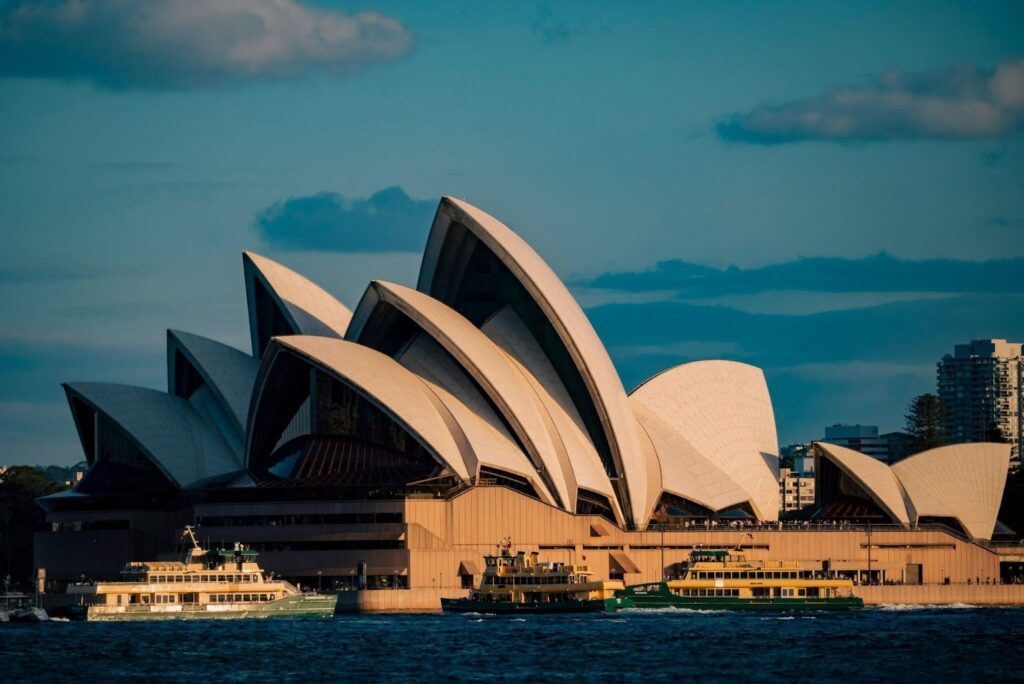
Sydney is Australia’s largest and most visible city, known worldwide for its harbour, beaches and iconic skyline. But families here don’t just live near the city — they live in it. Many families manage a daily rhythm that involves public transport or cycling to school, squeezing playdates into weekends, and carving out time for outdoor activities like picnic lunches at local parks or trips to the beach.
Sydney’s diversity is reflected in its suburbs: areas like Chatswood, North Sydney and Parramatta are known for family-friendly amenities, reputable schools and choices in housing that go beyond detached homes.
In contrast to the sprawling suburbs, a growing number of families are choosing apartments closer to the city centre, trading backyards for proximity to schools, work, and public transport. Yet this shift isn’t without its compromises.
While apartments offer convenience, many residents find that smaller living spaces challenge traditional ideas of “home”, leading to creative use of balconies and communal spaces for both play and socialising.
Architecture and Residential Living
Sydney’s skyline tells a story of vertical growth, but it’s only half the picture. Beyond high-rise apartments and dense inner-city blocks, a quieter architectural trend has taken hold across many established suburbs: the double storey homes. These houses sit within the city fabric itself—not on distant fringes—and they’ve become one of the most practical compromises between space and location.
In suburbs like Chatswood, Ryde, Leichhardt, and parts of Parramatta, double-storey houses allow families to stay close to schools, transport, and work without sacrificing internal space. Rather than sprawling outward, homes grow upward.
Living areas stay on the ground floor, bedrooms move upstairs, and small but functional gardens replace large backyards. For many families, this layout mirrors how they actually live: shared time below, private space above.
This design choice often pays off long-term. Land in Sydney is expensive, but building vertically maximises its value. Double-storey homes hold their appeal because they suit multi-child households, allow parents to work from home, and adapt as children grow older. They also tend to retain strong resale value precisely because they offer something apartments often can’t: separation, storage, and flexibility—without leaving the city.
Alongside this, Sydney’s apartment architecture continues to evolve. Early high-density housing often failed families, offering tight layouts with limited storage and little outdoor space. Newer developments increasingly prioritise larger floor plans, real balconies, and communal areas designed for everyday use rather than display.
Family Life Beyond the Front Door
For urban families, balconies, rooftops and shared courtyards have become extensions of living space — a mini-backyard where children can ride scooters, parents can linger over morning coffee, and neighbours can briefly check in.
Bike paths weaving through parks and along waterfronts serve dual purposes: exercise and connection. Whether it’s a weekend ride along the Parramatta River or a trip to a community playground, daily family life makes creative use of these shared urban amenities.
Melbourne
Family Life in the Cultural Capital
Melbourne is often celebrated for its livability, consistently ranking near the top of global city lists. It’s a place where families mix culture with routine: art galleries and weekend markets sit alongside playgrounds and neighbourhood schools. Like Sydney, Melbourne has a blend of traditional houses in inner suburbs and growing apartment communities near transit hubs and activity centres.
Schools here form part of daily patterns — parents ferry children to classrooms nestled in leafy suburbs like Glen Waverley and Hawthorn, then return to cafes or trams that thread through the city. Outdoor spaces, laneways, and parklands become stages for family routines, from toddler playgroups to evening strolls.
In recent years, more families have chosen apartment living to stay close to amenities, creating a mesh of community activities centred around shared spaces rather than private backyards.
Architecture and Residential Patterns
Melbourne’s housing reflects both tradition and change. Beyond the charming Victorian terraces and broad boulevards, towering apartment precincts rise near major tram lines and railway stations — part of a broader planning move toward activity centres that integrate housing, transport, and services.
These buildings aren’t all uniform concrete blocks. Thoughtful design trends are emerging, with developers pushing for flexible layouts that include outdoor spaces like balconies or communal terraces, catering to families who need both indoor comfort and outdoor breathing room.
While detached homes remain popular, quality apartment living has gained acceptance as part of everyday life for many Melburnians.
Everyday Life in a Dense City
Melbourne families make use of public spaces in ways that blur the line between private and public life. Local parks are play zones, laneway cafes host weekend breakfasts with kids in tow, and cultural sites become routine destinations rather than occasional treats.
Children grow up knowing trams as a normal part of getting around, and parents often plan weekends around local festivals, markets, or community-led events that knit neighbourhoods together.
Brisbane
Family Life in the River City
Brisbane, Queensland’s capital, offers a slightly different pace — still urban and vibrant, but with warmth and outdoor living at its core. Families here often balance city life with trips to nearby beaches, parks along the Brisbane River, and backyard barbecues under subtropical skies.
While detached houses still dominate many suburbs, apartment living is gaining ground — particularly in the CBD and riverfront precincts, where buildings like Brisbane Skytower and other high-rises offer families proximity to work, schools and recreation without the long drives typical of other urban sprawl.
Architecture and Growing Densification
Brisbane’s skyline has shifted substantially with tall residential buildings like Brisbane Skytower, the tallest residential tower in the southern hemisphere, bringing hundreds of apartments into the city’s core.
At the same time, there’s evidence that family-oriented apartment design is increasing — luxury residential buildings now include a higher proportion of three- and four-bedroom units, in recognition of demand from families wanting city access without forfeiting space.
However, research also shows that inner-city families with children are still less common than in outer suburbs, with demographic shifts pushing younger families to more affordable fringes of the city where detached homes and green space are easier to find.
Outdoor Life, Bikes and Community
In Brisbane, balconies and outdoor terraces aren’t just aesthetic choices — they matter. Research on subtropical apartment living shows that natural ventilation and outdoor private spaces significantly contribute to liveability in warm climates, influencing how residents interact with their homes and communities.
City families embrace bike paths along the river, markets on weekend mornings, and neighbourhood parks that serve as social hubs. Brisbane’s blend of outdoor lifestyle and urban convenience creates daily routines grounded in both social and physical activity.
So What Does This All Mean?
Australia’s biggest cities are no longer just places where family life exists on the edges. Urban family life is happening right within the cities — in apartments, on balconies, along bike paths and in shared community spaces. While the detached house remains a cultural ideal for many, economic realities and lifestyle preferences have driven many families into new forms of living that reshape how daily life unfolds.
Balconies become mini-playgrounds or vegetable gardens; bike paths become school runs; high-rise lobbies become pickup points. The cities themselves — their architecture, their design, their amenities — contribute not just to how people live, but to how families function.
Living down under up close doesn’t look the way many imagine from afar. It’s denser, more communal, and often more flexible than big land and big houses. But it’s also rich with small moments: a child’s laughter echoing across a shared courtyard, neighbours meeting at the bike rack, families sharing meals on a balcony with a skyline beyond.
Urban Australian family life is not monolithic — it’s evolving, shaped by design, by necessity, and by the simple need to live well where you are.