
This is a collaborative post: While parenting a child with a disability or special needs is incredibly rewarding, it can also contain a whirlwind of experiences and emotions. As a parent of a disabled/special needs child, you naturally want to protect them from the outside world as much as possible, which can sometimes lead to overprotectiveness.
Yet, while protectiveness is essential, it is also important to encourage your child’s independence so that they realise they can do things unassisted and that their condition doesn’t have to hold them back. Fortunately, thanks to advances in design and technology, there is a wide range of living aids designed to support kids with disabilities/special needs in their day-to-day lives.
From shower chairs and rollators to toilet frames and alternative communication (AAC) devices, these tools are designed to assist disabled/special needs children with various needs to build their confidence and go about their daily lives with greater ease and independence.
In this article, we list several innovative living aids for kids with disabilities that allow them to use their unique abilities in a way that promotes a greater sense of well-being and embraces new opportunities – keep reading to find out more.
Rollators
If your child has mobility issues, you’ll understand that one of the best things you can do to promote independence despite their condition is to get them moving/standing even if they require support. Ensuring that they move their joints regularly is essential for maintaining/improving their muscle mass and minimising the risk of complications further down the line.
You can help them achieve this exercise by taking them to third-party exercise classes or encouraging them to practice their mobility around a familiar environment (like your house) using a rollator. Depending on your child’s needs, you can buy a rollator for indoor/outdoor use, ones that turn into a seat/wheelchair, and for all kinds of terrain, making them the perfect support tool.
For more inspiration, consider visiting Rollz’s website, where you can buy a rollator for someone whether they need full support, little support, full-time support, and much more. Visit their website to browse their entire catalogue and read customer reviews/stories. Discover how their products could help your disabled/special needs little one become more independent today.
Wheelchair Lap Tray
Another innovative living aid for children with disabilities/special needs that can help them complete day-to-day tasks independently is a wheelchair lap tray. Wheelchair lap trays are the perfect companions for disabled/special needs children that rely on a wheelchair or buggy as their primary means of transportation since they can assist them in just about any aspect of life.
Whether they’d like a convenient surface to play on or a more accessible surface that facilitates easier usage of a knife and fork, wheelchair lap trays can be used to aid in various day-to-day tasks. They can even be sourced in multiple materials, from shiny plastic to Velcro-respective surfaces, that make it easier to stick plates and cups using self-adhesive Velcro strips.
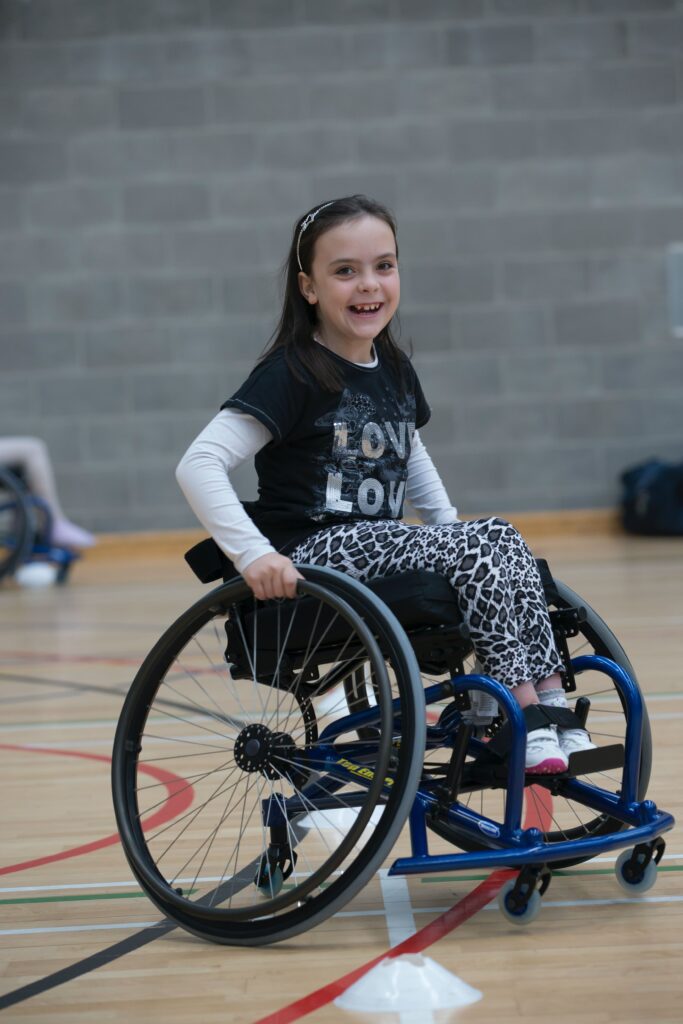
They can also be purchased with zip-pockets, making them an excellent tool for home-schooled children since exercise books and stationery can be stored and carried from place to place much more quickly (especially if the child has trouble gripping/holding items). In short, they make holding and using items independently much more feasible for disabled/special needs children.
Weighted Blanket Alternatives
According to data from 2021, an average of 12.6 of all pupils (of all ages) in the UK education system have special educational needs, with most of those affected also suffering from sensory processing disorder.
Since this can cause issues with a child’s ability to speak and communicate well with others, it can be challenging to understand what they do and don’t want at times, which is why some parents find it easier to navigate these challenges using the five senses (touch, taste, sound, sight, and smell).
This method is beneficial for children diagnosed with autism since they often seek out more proprioceptive feedback than needed, like hugging people extra tight or running into large objects. As you can imagine, these methods aren’t safe for children to use.
Still, recent developments have made it easier for autistic children to explore senses, such as fidget toys and weighted blankets. The latter is one of the most recent to immerge, with many theories suggesting that the deep pressure provided by the blanket helps provide constant comfort, especially while sleeping.
Unlike traditional blankets, which can easily be thrown off during the night by wayward limbs, some weighted blankets have been designed to resemble a cocoon so that the resting child can nestle inside without fear of the sensory experience being disturbed.
Due to this, the blanket can provide proprioceptive feedback all night which minimises the likelihood of your child getting disturbed by tossing/turning in their sleep, making getting a good night’s sleep much more achievable by themselves.