
The Early Years Foundation Stage (EYFS) plays a crucial role in a child’s development, laying the groundwork for learning, behavior, and well-being. If you’re a parent, caregiver, or educator in the UK, understanding EYFS education can help you support young children during these important early years.
This guide breaks down what EYFS is, how it works, and why it matters—without the jargon.
What Is EYFS?
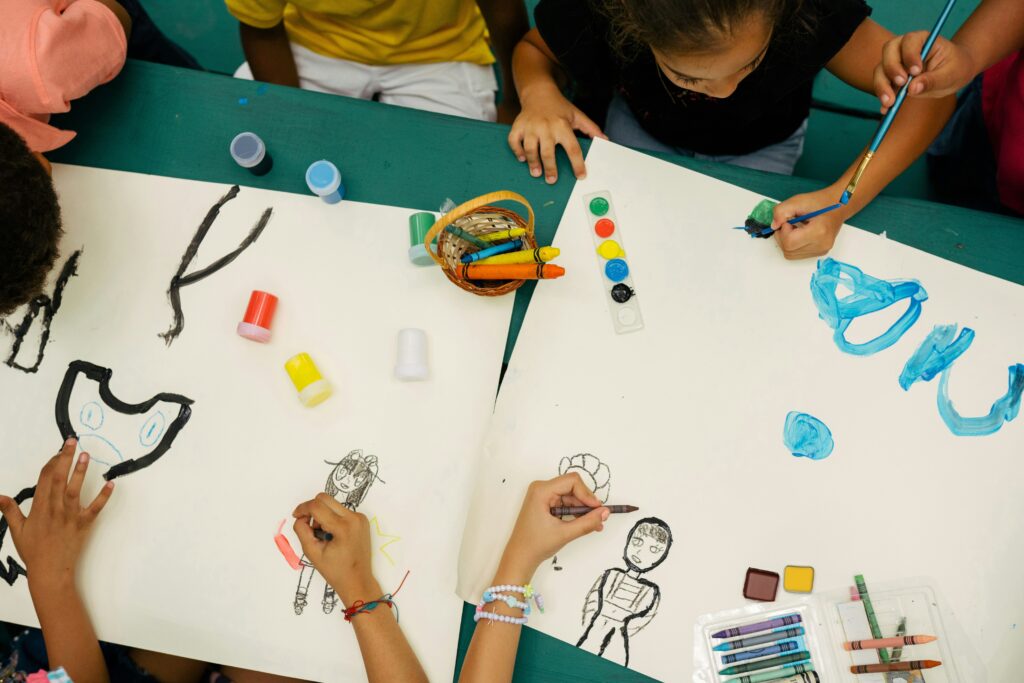
The Early Years Foundation Stage is the statutory framework that sets standards for the learning, development, and care of children from birth to age five in England.
EYFS applies to:
- Nurseries and preschools
- Childminders
- Reception classes in primary schools
Its goal is simple but powerful: to ensure that every child has the best possible start in life and is ready for school.
The Core Principles of EYFS
EYFS is built around four key principles that guide early years education:
- Every child is unique
Children develop at different rates and in different ways. EYFS recognises and respects individuality. - Positive relationships matter
Children learn best when they feel safe, supported, and valued by adults and peers. - Enabling environments support learning
A well-planned environment encourages curiosity, exploration, and independence. - Children learn through play and experiences
Play is central to learning—it helps children explore ideas, develop skills, and make sense of the world.
The Seven Areas of Learning and Development
EYFS learning is divided into seven areas, grouped into prime areas and specific areas.
Prime Areas
These are the foundation for all learning and development:
- Communication and Language
Listening, understanding, and speaking. - Physical Development
Movement, coordination, and healthy habits. - Personal, Social and Emotional Development (PSED)
Confidence, self-awareness, relationships, and emotional regulation.
Specific Areas
These build on the prime areas:
- Literacy
Reading and writing skills. - Mathematics
Numbers, counting, shapes, and problem-solving. - Understanding the World
Exploring people, places, technology, and the environment. - Expressive Arts and Design
Creativity through art, music, dance, and imaginative play.
Learning Through Play
One of the most distinctive features of EYFS is its focus on play-based learning. Children are encouraged to explore, experiment, and learn through hands-on experiences rather than formal lessons.
Play helps children:
- Develop creativity and curiosity
- Practice communication and social skills
- Build confidence and independence
Adults guide learning by observing, asking questions, and extending children’s interests.
Observation and Assessment
Assessment in EYFS is ongoing and supportive, not exam-based.
Practitioners observe children to:
- Understand their interests and development
- Identify strengths and areas for support
- Plan next steps in learning
The EYFS Profile is completed at the end of the reception year and helps teachers understand whether a child has reached a “good level of development” before moving into Key Stage 1.
The Role of Parents and Carers
Parents and carers play a vital role in EYFS education. Learning doesn’t stop at nursery or school—it continues at home through everyday activities.
You can support EYFS learning by:
- Talking, reading, and playing with your child
- Encouraging independence in daily routines
- Sharing information with early years practitioners
Strong partnerships between families and educators help children thrive.
Why EYFS Matters
The early years are a time of rapid growth. Experiences during this stage can shape a child’s confidence, curiosity, and attitude toward learning for years to come.
EYFS supports:
- School readiness
- Emotional well-being
- Social skills and communication
- A love of learning
When children are given the right support early on, they are more likely to succeed both academically and emotionally later in life.
EYFS education is about far more than preparing children for school—it’s about nurturing happy, confident, and capable learners. By focusing on play, relationships, and individual development, EYFS creates a strong foundation for lifelong learning.
Whether you’re a parent navigating the early years for the first time or an educator supporting young learners, understanding EYFS helps ensure every child gets the best possible start.