
Somewhere between your dad’s old petrol mower, the one that needed the strength of an Olympic rower to start, and today’s smart gadgets, lawn care has entered the future.
These days, you can buy robotic mowers that trim your lawn on a schedule, along with soil sensors that send updates straight to your phone.
The question is, do these solutions actually make looking after your lawn easier, or are they just an expensive new way to overthink your routine? Let’s take a look at whether it’s worth making the switch.
What Is Smart Lawn Technology?
If you’ve spotted a small robotic mower zigzagging across your neighbour’s garden, you’ve already seen the basics in action. Smart lawn tech is basically a collection of gadgets designed to automate the time-consuming chores that stand between you and a relaxing weekend.
Here are the most common ones:
- Robotic mowers. These little machines handle trimming on a set schedule. Instead of scalping your entire garden on a Sunday afternoon, they trim tiny amounts daily.
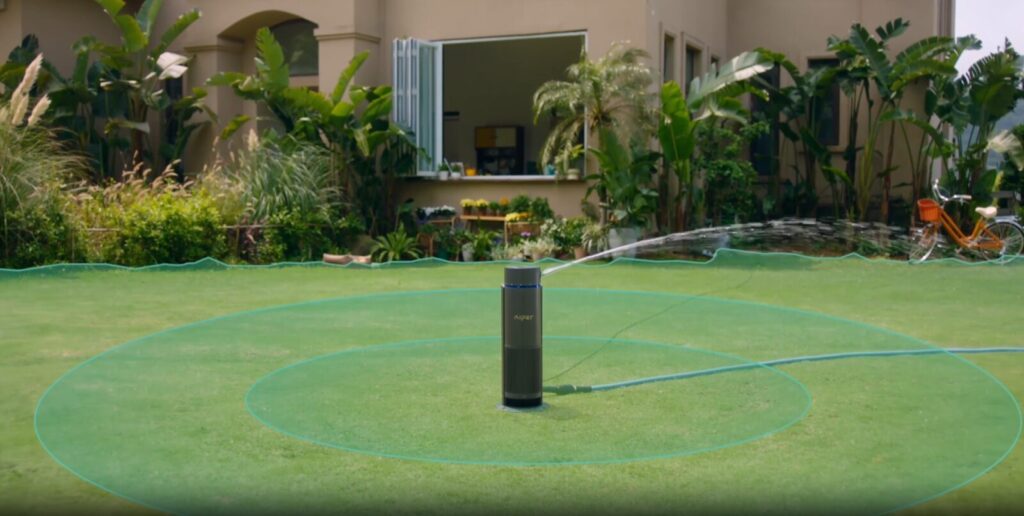
- Smart sprinklers. These systems sync up with local weather data and soil moisture readings, watering your grass only when the soil needs extra moisture.
- Soil sensors. These nifty spikes track pH levels, nutrients, and soil temperature, sending the data straight to your phone.
To tie it all together, connected apps pool this data into one place. They can ping you when it’s time to fertilise, flag early signs of lawn disease, and even suggest seasonal chores tailored specifically to your local conditions.
The Benefits of Going Smart
If looking after your garden feels like just another job squeezed in between weekly supermarket runs and everything else life throws at you, smart tech can take some of the pressure off.
Get Your Weekends Back
The biggest selling point here is saving time. Because a robotic mower runs entirely on its own schedule, you can reclaim your Saturdays without your back garden turning into a jungle.
And since these machines cut little and often, your grass will stay at a perfectly consistent height instead of swinging between overgrown and freshly hacked back.
Save Water and Money
Water efficiency is another massive plus, especially now that hosepipe bans seem to be a regular feature of summers in the UK.
Traditional timers water your lawn whether it needs it or not. Smart sprinklers, on the other hand, adjust their output based on real-time data. This can easily cut your outdoor water usage by up to 50%.
Avoid the Guesswork
For anyone who desperately wants a lush lawn but has no idea where to start, the monitoring tools are a lifesaver. Instead of throwing random products at your grass and hoping for the best, soil sensors give you a crystal-clear picture of what your soil needs.
They track hidden metrics like nitrogen levels and soil temperature right at the root zone. This means you’ll know exactly when the ground is warm enough for grass seeds to germinate or whether your lawn needs a boost of iron.
The Downsides You Should Consider
Of course, handing your garden over to technology doesn’t always go smoothly.
The upfront cost is the most obvious hurdle. A decent robotic mower can set you back anywhere from £500 to well over £2,000, and smart sprinkler systems aren’t cheap either once you factor in installation.
That’s a significant investment for a gadget that still requires a human to go outside and pick up the dog’s toys before it can even start working.
You’ll also want to think about maintenance. Robotic mowers need new blades, software updates, and the occasional rescue from a flower bed. You’ll be trading one type of upkeep for another, so go in with realistic expectations.
Finally, your garden’s layout matters, too. If you have narrow paths, steep slopes, or awkwardly shaped borders, some robotic mowers will struggle. They perform best on relatively open, flat lawns, which is less helpful if your garden is more of an obstacle course.
Should You Upgrade to Smart Tech?
If you’re tempted to invest in these solutions, you need to think your decision through before you load up your basket at Screwfix. Smart technology can save time and effort, but not every garden needs it. Here are a few things worth weighing up first.
Think About Your Garden’s Size
A large, open lawn is where smart technology truly shines. Robotic mowers cover more ground efficiently, and smart irrigation systems make a noticeable difference when you need to water a bigger area.
But if your garden is small or has a tricky layout, you may spend more time troubleshooting. For compact spaces, a lightweight mower and a watering can are probably all you need.
Compare Long-Term Costs
The price on the box is only the beginning. Replacement blades, boundary wire repairs, electricity, and the occasional subscription for premium app features all add up over time.
Before you commit, work out the total cost of ownership over 3–5 years and compare it against what you currently spend. For some households, smart tech pays for itself through water savings and reduced bills. For others, the sums don’t quite balance out.
Start with One Device, Not Five
You don’t need to automate everything in one go. If you’re curious but cautious, start with the device that solves your biggest headache. For most people, that’s either a robotic mower or a smart sprinkler system, not both at once.
Try one piece of kit for a season, see how it fits your routine, and build from there. That way, you’ll spend your money on helpful solutions instead of chasing every new gadget you see on YouTube.
Don’t Replace Good Lawn Care Habits
Even the most advanced gadgets still rely on a healthy lawn to deliver decent results. A robotic mower can’t fix waterlogged soil, and a smart sprinkler won’t revive grass that’s been starved of nutrients for years.
Even with smart tech, regular feeding, aeration, overseeding, and seasonal care are still essential. Ask any professional about the biggest lawn care improvement you can make, and they’ll point out these basics long before they mention a gadget.
Overall, smart technology can make your routine easier, but it works best when there’s a solid routine to support it in the first place.
Conclusion
Smart lawn technology isn’t a pointless gimmick, but it isn’t a miracle cure, either. It sits comfortably in the middle: a practical toolkit that can genuinely make your life easier if you choose the right devices for your space.
So, do your homework, start with what you actually need, and let these solutions handle the repetitive chores.