
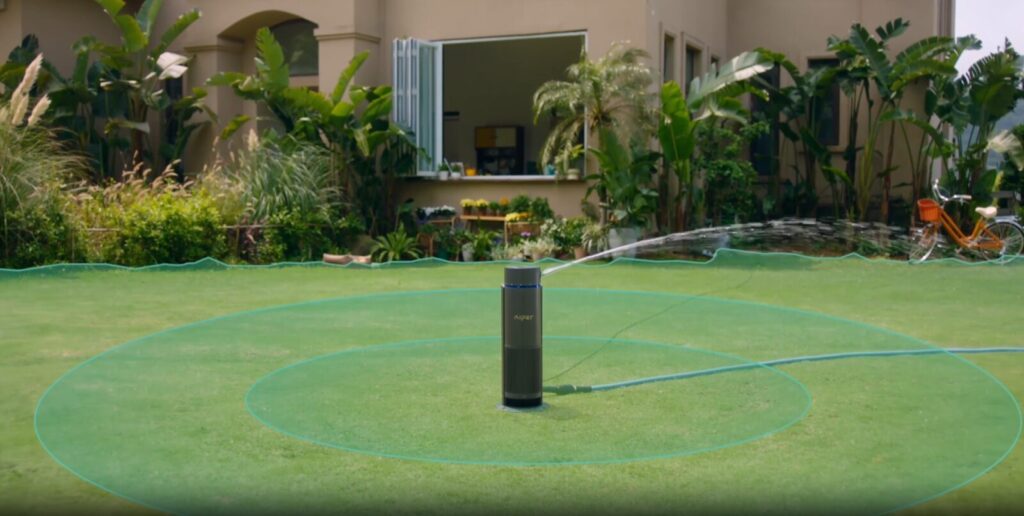
Keeping a garden healthy often sounds simple, yet many homeowners struggle to maintain consistent watering schedules. Busy routines, changing weather patterns, and different plant requirements can make garden care more complicated than expected. Missing a watering day can stress plants, while overwatering can lead to root damage and wasted water.
Automated irrigation systems offer a practical solution. Modern technology allows you to schedule watering, monitor soil conditions, and adjust irrigation based on environmental data. For many homeowners, installing the best smart sprinkler system means moving from guesswork to precision watering. These systems combine sensors, scheduling tools, and mobile connectivity to help you manage plant health more efficiently while reducing unnecessary water use.
Common Challenges with Traditional Garden Watering
Before exploring automation, it helps to understand the common challenges many gardeners face.
1. Inconsistent watering schedules
Manual watering depends on your availability. Busy days or travel can easily disrupt plant care.
2. Weather unpredictability
Rainfall and temperature changes affect how much water your plants actually need. Fixed timers rarely adjust automatically.
3. Uneven water distribution
Standard sprinklers may oversaturate some areas while leaving others dry.
Smart irrigation technologies address these issues by combining automation with environmental awareness. Instead of relying on fixed schedules, these systems use sensors and weather data to determine when watering is actually needed.
How Smart Irrigation Systems Work
Smart irrigation systems blend hardware and digital control systems to regulate watering more precisely. Instead of relying on fixed timers, these systems collect data from sensors and environmental inputs to determine when watering should occur.
A typical system consists of several connected components that work together to control irrigation.
| Component | Function |
| Sprinkler hardware | Distributes water across lawns or planting areas |
| Sensors | Measure soil moisture, rainfall, or temperature |
| Controller | Manages irrigation schedules and watering zones |
| Mobile interface | Allows remote monitoring and control |
Together, these components allow the system to deliver water only when plants need it. Many homeowners consider these features when searching for the best smart sprinkler, since efficient water management is a key benefit of smart irrigation.
Another advantage of smart irrigation technology is its ability to adapt to different parts of a landscape.
Precision Watering Through Smart Mapping and Zones
One of the biggest advantages of modern irrigation technology is the ability to tailor watering to your specific landscape.
Why Zoning Matters
Your yard likely contains several plant environments:
- Grass lawns
- Shrubs
- Flower beds
- Vegetable gardens
Treating these areas the same often leads to inefficient watering.
Smart irrigation systems allow you to:
- Map irrigation areas digitally
- Adjust watering duration per zone
- Avoid watering sidewalks or patios
These capabilities are often associated with what users look for when researching the best smart sprinkler for their property.
Benefits of Zone-Based Irrigation
Proper zoning can help:
- Reduce water waste
- Maintain consistent soil moisture
- Support healthier plant growth
Efficient irrigation scheduling can significantly improve plant health while reducing water use.
Environmental Awareness and Water Efficiency
Modern irrigation systems increasingly rely on environmental data to determine watering schedules. Instead of operating on fixed timers, these systems analyze weather conditions and soil moisture levels before starting a watering cycle.
Weather-Based Irrigation
Weather-aware systems can adjust watering automatically based on:
- Rainfall
- Humidity
- Temperature
- Evapotranspiration rates (water loss from soil and plants)
For example, if rain is detected or predicted, the system may skip the next watering cycle.
Soil Moisture Irrigation
Some systems also rely on soil moisture sensors placed directly in the garden. These sensors measure how much water is already present in the soil. If the soil is sufficiently hydrated, watering can be delayed until plants actually require moisture.
The benefits of environmental monitoring include:
- Reduced water waste
- Improved soil health
- Prevention of root damage caused by overwatering
- More consistent plant growth
Efficient irrigation management plays an important role in conserving water resources. Technologies that combine weather awareness with soil monitoring are becoming central features of the best smart sprinkler solutions.
Once irrigation becomes data-driven, remote control and connectivity make the system even more convenient.
Connectivity and Remote Garden Management
Smart irrigation systems are typically managed through mobile applications or digital controllers. This connectivity allows homeowners to monitor and adjust watering schedules from anywhere with an internet connection.
Mobile App Control
Many smart irrigation systems allow you to control watering through a smartphone app. From your device, you can:
- Start or stop watering cycles
- Adjust schedules
- Monitor watering history
- Receive weather alerts
This remote access is especially helpful when you are traveling or managing multiple properties.
Smart Home Integration
Some irrigation systems can connect with broader smart-home ecosystems. This allows your garden automation to work alongside other outdoor technologies, such as lighting or weather stations.
Practical Advantages
Connected irrigation systems allow you to:
- Monitor garden conditions in real time
- Respond quickly to weather changes
- Maintain your landscape even when you’re away
Installation and Setup Considerations
Many smart irrigation devices are designed for relatively simple installation. Unlike traditional underground irrigation systems, some modern sprinklers connect directly to standard garden hoses and can be repositioned when landscaping changes.
The typical installation process involves connecting the sprinkler to a water source, positioning it within the coverage area, and linking it to a mobile controller or app. After installation, you can map watering zones and create irrigation schedules based on plant needs.
Before setting up an automated irrigation system, consider several practical factors:
- Size and shape of the yard
- Available water pressure
- Outdoor wireless connectivity
- Types of plants and soil conditions
Careful planning during installation ensures that watering zones are properly configured and that the system operates efficiently. When installed correctly, smart irrigation technology can simplify long-term garden maintenance.
Future Trends in Smart Garden Care
Automated irrigation technology continues to evolve as sensors and data analytics become more advanced.
AI-Driven Watering Decisions
Emerging systems may use machine learning to analyze:
- Historical weather patterns
- Plant growth cycles
- Soil conditions
This allows irrigation schedules to adapt automatically over time.
Sustainability and water conservation
Water scarcity is a growing global concern. Precision irrigation technologies are expected to play an important role in improving residential water management.
Smarter systems allow you to maintain healthy gardens while reducing unnecessary water use.
Conclusion
Automating your watering routine can transform how you manage your garden. Smart irrigation systems reduce the guesswork involved in watering by combining environmental data, zoning capabilities, and remote control features. Instead of relying on rigid schedules, these systems adapt to real conditions in your yard.
From soil moisture monitoring to weather-based irrigation, modern technology makes it easier to maintain healthy plants while conserving water. As automated garden tools continue to evolve, the best smart sprinkler systems will focus on precision, efficiency, and ease of use. By adopting smarter irrigation practices, you can spend less time worrying about watering and more time enjoying a thriving, well-maintained garden.