
Curiosity is one of the most valuable qualities a child can develop. An inquisitive child approaches the world with enthusiasm, asking questions, exploring ideas, and seeking to understand how things work. Nurturing this natural curiosity not only supports academic growth but also helps children develop confidence, creativity, and a lifelong love of learning.
Parents play an important role in encouraging curiosity. By creating an environment where questions are welcomed and exploration is supported, families can help children feel confident about discovering new ideas and perspectives.
Encouraging Questions and Exploration
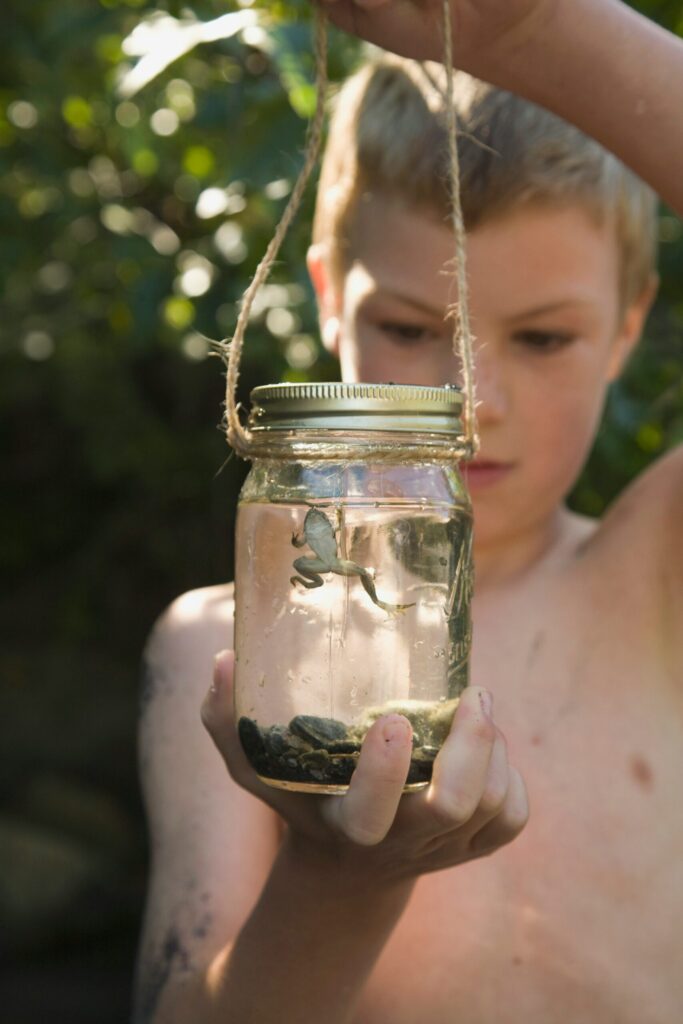
Children are naturally curious, particularly during their early years. They ask questions about everything from how plants grow to why the sky changes colour at sunset. While constant questioning can sometimes feel overwhelming, it is an important part of how children learn.
Instead of providing quick answers to every question, parents can encourage deeper thinking by exploring ideas together. Asking questions such as “What do you think?” or “How could we find out?” helps children develop problem-solving skills and encourages them to take an active role in learning.
Creating opportunities for exploration is equally valuable. Trips to museums, nature walks, science experiments at home, or even cooking together can spark conversations and encourage children to think more deeply about the world around them.
Educational environments that value curiosity, such as those fostered at schools like St John’s Prep & Senior, often focus on developing confident learners who feel comfortable asking questions and exploring new ideas.
Supporting Independent Thinking
An inquisitive child benefits from having the freedom to explore their interests. Some children may develop a fascination with animals, space, history, or technology, while others might enjoy creative pursuits such as art or storytelling.
Parents can support these interests by providing resources that encourage exploration. Books, educational games, documentaries, and creative activities allow children to dive deeper into topics that capture their imagination.
It is also important to allow children time to think independently. When children are given the space to reflect, experiment, and occasionally make mistakes, they learn how to approach challenges with curiosity rather than frustration.
Making Learning Part of Everyday Life
Curiosity thrives when learning feels natural rather than forced. Everyday moments provide countless opportunities for discovery. Discussing news stories, talking about how things are made, or observing changes in nature can all prompt thoughtful questions.
Families can also turn daily routines into learning opportunities. Shopping trips can involve conversations about budgeting and choices, gardening can lead to discussions about plants and ecosystems, and travelling can introduce children to different cultures and perspectives.
Many prep schools and private schools recognise the value of nurturing curiosity alongside academic achievement, encouraging pupils to investigate ideas, collaborate with others, and develop a deeper understanding of the subjects they study.
Building a Lifelong Love of Learning
Raising an inquisitive child is not about having all the answers. Instead, it is about fostering a mindset where curiosity is celebrated and questions are encouraged.
When children grow up in an environment where learning is exciting and discovery is valued, they are more likely to approach challenges with confidence and creativity. Over time, this mindset supports not only academic success but also personal growth and adaptability.
By encouraging questions, supporting interests, and exploring the world together, parents can help their children develop the curiosity and enthusiasm that underpin a lifelong passion for learning.