
With the summer months approaching, many of you will be looking forward to sitting outside with a cold drink. While you may think pulling weeds and dragging a hose around a lawn is inevitable, it isn’t.
Looking to create a garden space that looks good without eating away all your free time? We’ve laid out some useful methods that make it easy.
Cut Down on Lawn Care From the Start
Lawn work contributes to a massive amount of the time spent on garden maintenance. The good news is that you can still enjoy a green patch of land that looks and feels the part.
A popular solution is artificial grass, which has come a long way in terms of appearance and texture alike. Modern artificial grass looks realistic when sourced from quality suppliers, drains well in wet weather, and stays green all year without watering or mowing, whereas natural grass often loses its original colour. Once artificial grass is installed, all it needs is an occasional rinse and a brush, making it a far less time-consuming maintenance option than real grass.
Choose Plants That Look After Themselves
Planting choices make an enormous difference when it comes to the time to maintain your garden borders and beds.
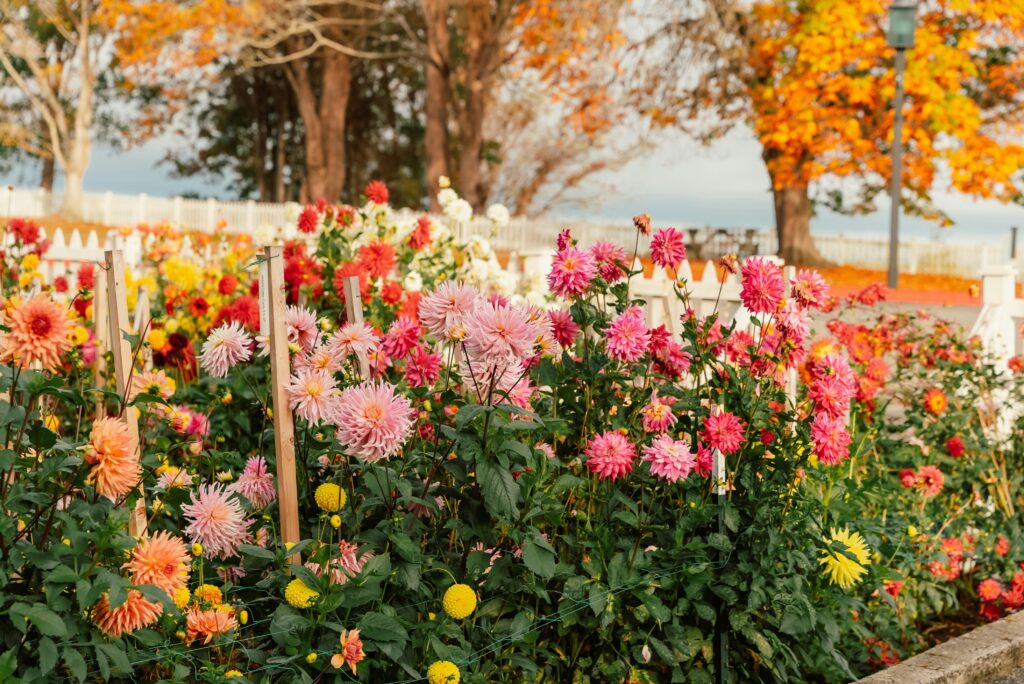
Native and drought-tolerant plants are a good idea because they’re adapted to the local climate, need less water, fewer feeds, and rarely require much intervention once established. In the UK, this could be yarrow, foxglove, and lavender.
Shrubs like pittosporum and photinia also bulk out borders with minimal fuss, giving you the structure and greenery without demanding constant attention.
For the most part, perennials are a better investment than annuals for a low-maintenance approach. You plant them once, and they come back each year.
Mulch Everything You Can
If there is one habit worth adopting this summer, it’s mulching your plant/flower beds. Spreading a thick layer of bark or gravel around your plants is a great start. This suppresses weeds by blocking the light they need to germinate, retains moisture in the soil so you water less often, and gives borders a neat, finished look with almost no effort.
Apply mulch in late spring or early summer when the ground has warmed up, aiming for a layer around five to eight centimetres deep. Keep it away from the base of plant stems to avoid rot, and top it up each year. Over time, organic mulch like bark chips also breaks down and improves the soil structure, which makes your plants healthier and even more self-sufficient.
Make Your Watering Routine More Simple
Watering seems like a small task, but it can take up more time than you realise. Simple soaker hoses or drip irrigation systems are relatively affordable upgrades that pay for themselves in time saved.
If you’re not ready to invest in irrigation, grouping plants with similar water needs together at least means you can water efficiently in one go rather than zigzagging around the garden with a can.
Keep Tidying Simple and Seasonal
One of the traps people fall into is trying to keep their garden looking pristine throughout the entire season, which is exhausting and honestly unnecessary. A low-maintenance garden looks its best when you work with natural rhythms rather than against them: a big tidy in spring to cut back old growth, a light deadhead here and there through summer to encourage more flowers, and a general clear-up in autumn are genuinely all most gardens need.
Letting some plants go to seed at the end of the season also feeds birds and adds texture to the garden through winter, so it’s a win on multiple fronts.
Enjoy a Relaxed Summer
A beautiful summer garden doesn’t have to cost you every spare hour you have. With the right foundations in place, you can spend far more time actually enjoying it.