
In today’s fast-paced world, families often find themselves caught in the whirlwind of daily routines, juggling work commitments, academic responsibilities, and endless to-do lists. Amidst this hustle and bustle, one crucial aspect of family life tends to be overlooked: playtime. Yet, family playtime is more than just leisure; it’s a vital component of child development, offering a platform for emotional growth, cognitive development, and family bonding. By dedicating time for family play, parents can foster a more nurturing environment, rich in creativity and connectedness.
The Role of Play in Learning
Play is the work of childhood, an intrinsic activity through which children learn about themselves and the world around them. Within the playful realm, creativity flourishes, and learning occurs naturally. By engaging in activities like building LEGO sea animals or crafting paper airplanes, children enhance their cognitive abilities, problem-solving skills, and imaginative capacities. It is through these playful interactions that children develop critical social skills and emotional intelligence, learning to negotiate, cooperate, and empathize with others.
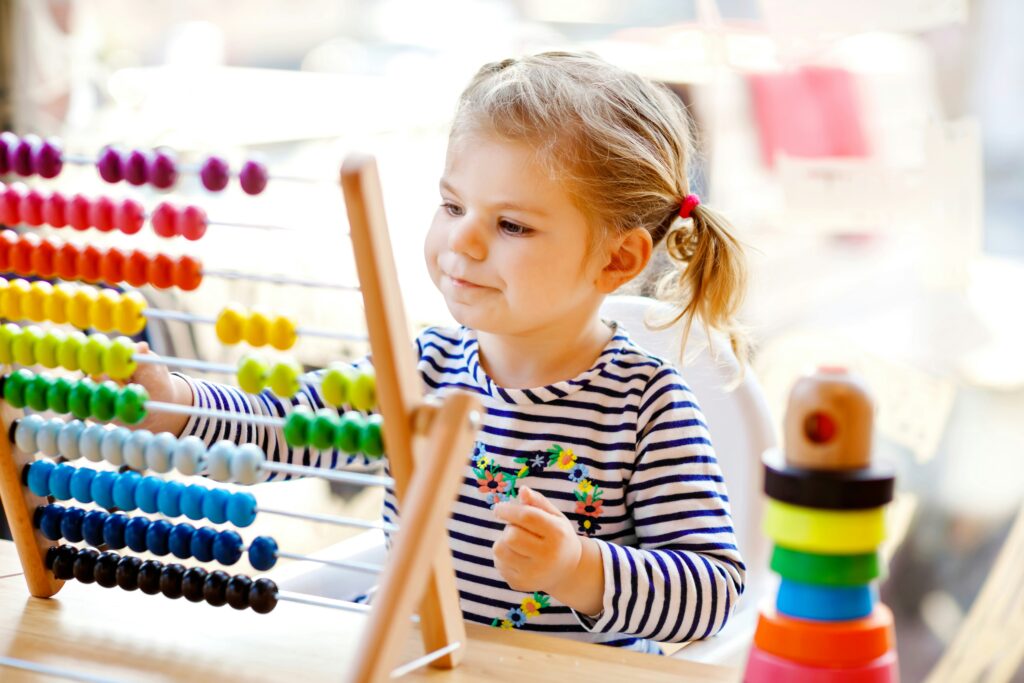
Furthermore, structured play activities—like board games, puzzles, or playing with toys—promote strategic thinking and numeracy skills. Such activities are opportunities for children to apply logical reasoning and foster a sense of achievement. Observing a child immersed in creating a simple LEGO model reveals much about their innate curiosity and the joy in exploring complex ideas in a tangible way.
Strengthening Emotional Bonds Through Play
Family playtime provides an opportunity for parents and children to connect on a deeper level. Shared experiences during play establish a sense of security and trust, essential elements of a healthy parent-child relationship. Through playful interactions, parents gain insights into their child’s world, understanding their fears, desires, and unique personalities.
Family playtime is also an antidote to the stresses of modern life, offering a moment to disengage from external pressures and focus on the joy of being together. Emotional bonding is strengthened as families laugh, celebrate victories, and occasionally deal with minor frustrations together, all within the safe context of play. These interactions lay the groundwork for fostering open communication, essential for navigating the complexities of life as children grow older.
Enhancing Communication Skills
Playtime presents a natural setting for children to develop their verbal and non-verbal communication skills. As they engage in role-playing games, children experiment with language, expanding their vocabulary and understanding of social cues and empathy. Communication extends beyond words in play, as children learn the nuances of body language, facial expressions, and the art of listening.
For parents, participating in family playtime provides a valuable opportunity to model effective communication. This intentional engagement helps children learn active listening skills and the importance of taking turns in conversations. Over time, these skills become ingrained, benefiting children not just at home but also in academic and social settings.
Promoting Physical Development
While much emphasis is placed on cognitive and emotional growth, the physical benefits of play should not be overlooked. Active play, whether it’s a game of tag in the backyard or building a fort in the living room, supports the development of gross and fine motor skills. Physical play encourages healthy exercise habits, vital in combating sedentary lifestyles prevalent in modern society.
Outdoor family activities, such as hiking, cycling, or gardening, provide exposure to nature and fresh air. Such experiences promote physical fitness and contribute to mental well-being. Children develop spatial awareness, coordination, and balance—the foundations for a healthy and active lifestyle—while creating cherished family memories.
Cultivating Lifelong Memories and Traditions
Family playtime isn’t just about immediate developmental benefits; it’s about creating lifelong memories. These shared experiences help build a sense of identity and belonging, forming the basis of family traditions that children carry into adulthood. Whether it’s a weekly game night, a special holiday craft session, or summer camping trips, these traditions are fondly remembered and often revived or adapted for future generations.
In conclusion, family playtime is an indispensable aspect of a child’s development. By prioritizing play, families can cultivate stronger emotional bonds, enhance communication skills, promote cognitive and physical growth, and create cherished memories. In a world that often overlooks the simple joys of play, conscious efforts to engage in family playtime will not only enrich a child’s development but also strengthen the familial ties that create a loving, supportive environment for all family members.