
This is a collaborative post: The sun is shining. The parasol is up, and in the distance, a handsome waiter is making his way towards you with a tray full of glasses glistening with delectable nectar. And then the alarm goes off as a small human wakes you from your slumber by wiping their perennially snotty nose across your cheek.
If that sounds like your typical morning, it can only mean one thing: you have children, and it’s almost the time of year when you long for refreshing drinks in the springtime sun. It might just be the back garden, and that handsome waiter is your other half, but a girl can dream, right?!
Getting together at garden parties, beer gardens, and BBQs is something to look forward to after a long winter (not to mention two years of lockdowns). But, if you are off the sauce, these situations can be tricky to navigate. Instead of resorting to being a spring shut-in, I’ve put together some ideas to help you maintain your social butterfly status.
Is it really alcohol-free?
Depending on your reasons for not drinking, be it needing to get up at an ungodly hour the next morning, a bun in the oven or something else, understanding how drinks can be described is incredibly important.
The UK Government gives the following guidance for drinks with little or no alcohol:
Low alcohol – the drink must be 1.2% alcohol by volume (abv) or below and an indication of its maximum abv should be included on the label.
Non-alcoholic – this should not be used in conjunction with a name commonly associated with an alcoholic drink. There is an exception for non-alcoholic wine where it is derived from unfermented grape juice and is intended exclusively for communion or sacramental use. The labelling or advertising of these non-alcoholic wines should make it clear that it is exclusively for such use.
Alcohol free – this should only be applied to a drink from which the alcohol has been extracted if it contains no more than 0.05% abv, and the products should also include the abv (or state that they contain no alcohol) on the label in order to use the descriptor.
De-alcoholised – this term should only be applied to a drink from which the alcohol has been extracted if it contains no more than 0.5% abv and the product should also include an indication of its alcoholic strength (or state that it contains no alcohol).
It’s worth bearing in mind that these descriptions are voluntary for brands to use, and imported drinks might have different labelling. E.g. American beers with an ABV of 0.5% or under can be classed as alcohol-free. If absolutely no alcohol is a necessity, trust the ABV rather than a description.
Wine
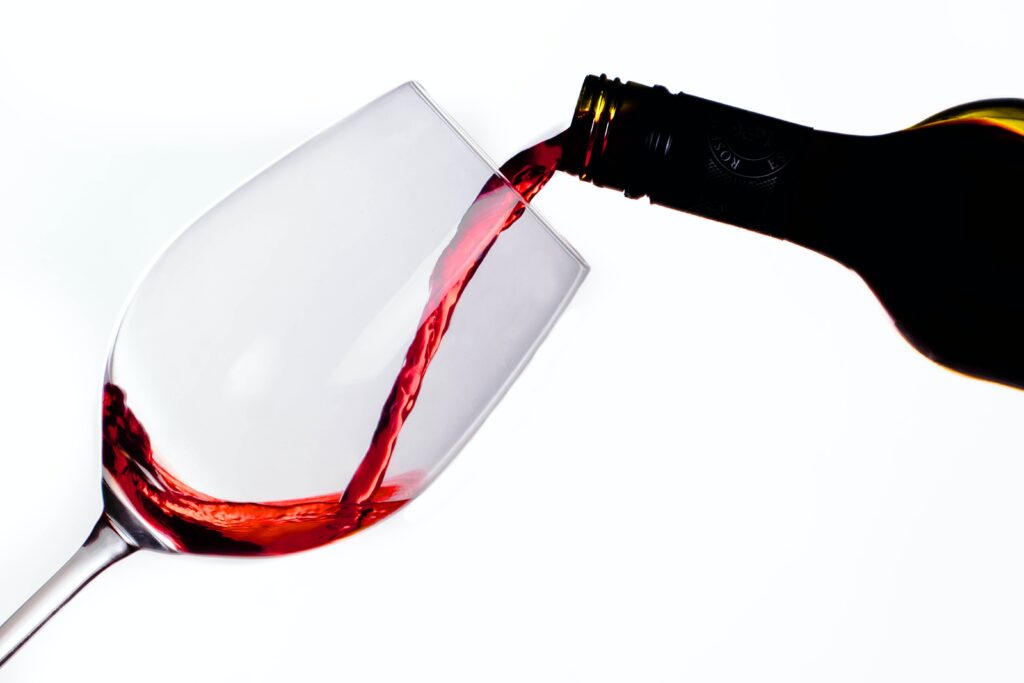
If you aren’t shunning alcohol completely but want something that won’t leave you feeling fuzzy, be on the lookout for Moscato d’Asti. It’s sweeter than Prosecco but has a similar lightness and fizz. Typically it has an ABV of around 5.5% compared to Proseccos’s 12%.
Do you remember Kia-Ora adverts growing up? That long yodel of Kiiiiiiiiia-Orrrrrrrra was the best! Diluting juice may not be what you expect, but if it’s zero alcohol and a refined wine-like taste you are after, Jukes Cordialities could be your option. Pour yourself (a wine glass) of water (sparkling, still or tonic), and then add half a bottle (15ml) of Jukes magic potion to it. It is completely plant-based, and uses apple cider vinegar as a base along with an array of herbs, spices, and fruits to create an alcohol free drink on par with your favourite vino.
You can get substitutes for white, red and rosé wine. The dinky 30ml bottles make two 125ml glasses each and are easy to slip into a bag and take with you if you aren’t sure of the provisions at a party.
Alcohol free beers
When watching your waistline, beer is often one of the first things you can be told to give up. It’s pretty calorific, not to mention a bit too easy to put away more than one or three. There has been an explosion of light beers on the market recently with almost all major brands offering up options that are low in calories and alcohol.
Light beers have been a big business in America for a long time, partly due to the more lenient drinking and driving laws. Also, the pretty much non-existent public transport means you need to be able to get to and from the bar somehow!
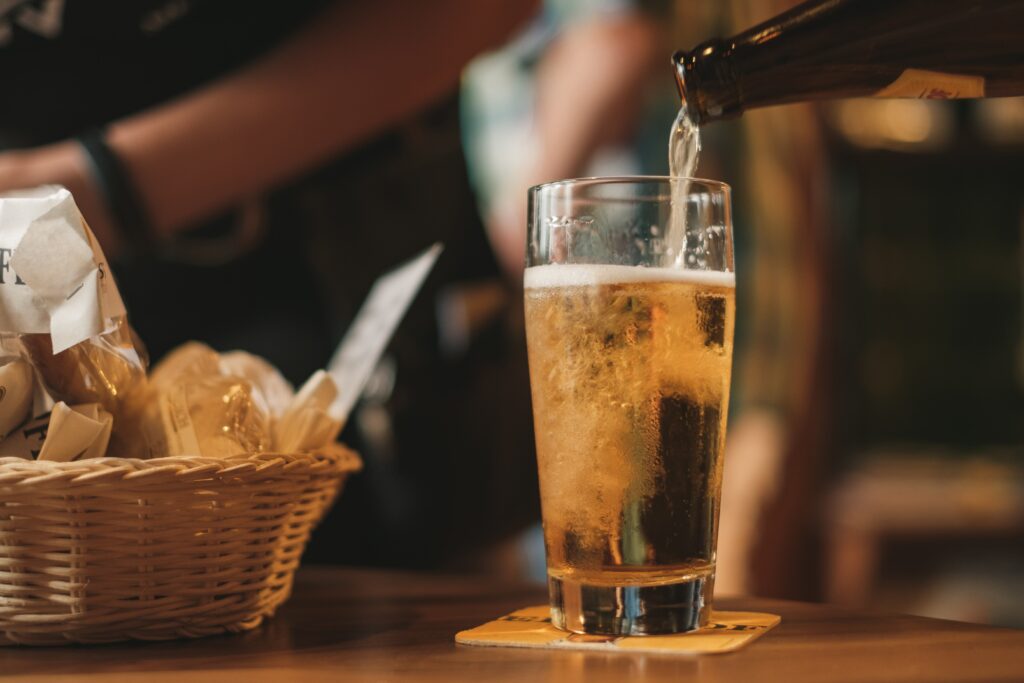
Our homegrown beers and lagers are following suit, Tennent’s Zero has the same crisp and refreshing taste of its alcoholic siblings, but a big fat zero when it comes to its ABV. Pregnant mammas can still enjoy a summertime shandy without worrying about a thing.
Non alcoholic spirits
Lastly, the hardest drinks of all (in both name and taste), spirits. How do you mimic the taste of something like vodka or gin? Unless you genuinely like the taste of these heavy hitters solo, I honestly think the best thing to do is find yourself some good mocktail recipes instead.
There are several low-alcohol and alcohol-free spirits in the shops, but considering that their price is pretty much equal to the real deal, it seems a bit of a waste.
As you can see, you are not short of options for finding the best tipple to enjoy in the sun this Spring. You’ve got quite the selection, whether you are after something with a smaller kick or want to stay completely clear headed. Try them out and tell me your favourites in the comments.