
You may be recovering from a major surgery, illness, or a motorcycle accident and have passed the first stage. It’s a huge milestone, but it’s not the end of the story. You’re back on your feet and now it’s time to rediscover your balance, strength, and peace of mind. Think of it, as a way of having true well-being, where your physical, mental, and emotional care needs are merged as one.
Here is a guide on the practical steps to take that will help you to regain your energy, confidence and sense of purpose as you move from the recovery stage into renewal.
Rebuilding physical health: Small movements and mindful nutrition
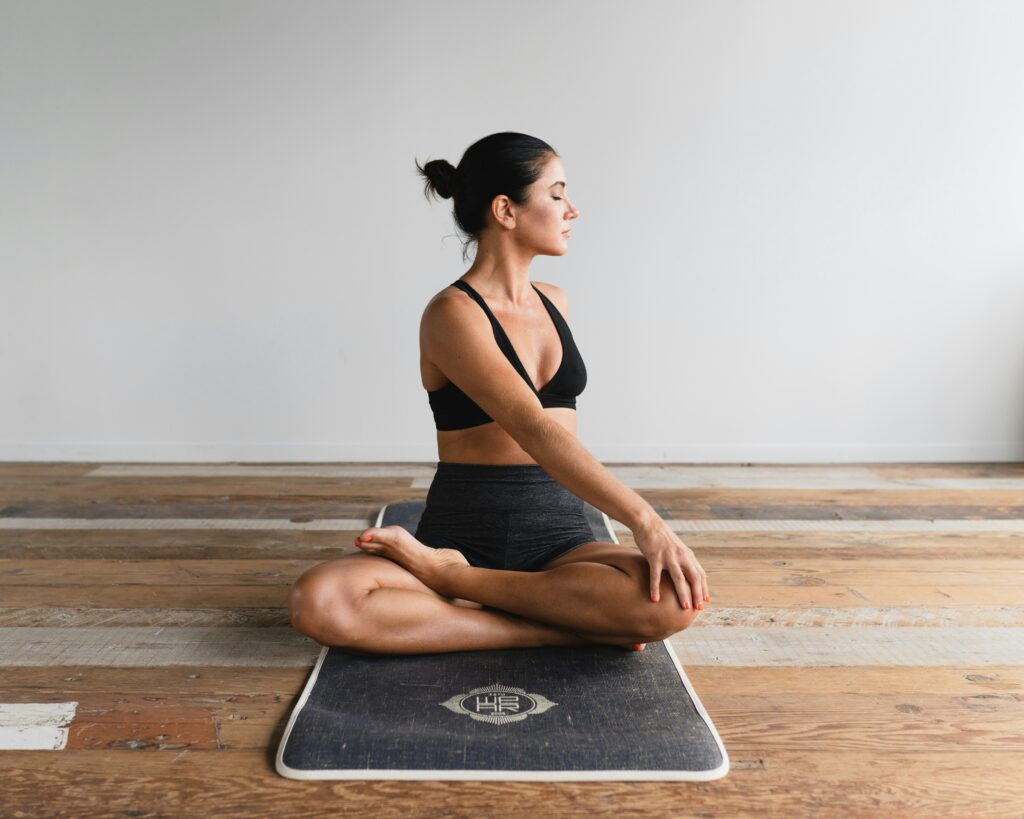
Physical recovery begins with patience and really listening to your body. Don’t rush back into your daily runs or strict diet. You might think that you’re taking healthy measures, but it can lead to a setback. Instead, think about starting off small by taking daily walks around the neighbourhood, gentle stretching in the morning or opt for a bit of low-impact yoga in the living room. It may not sound like much, but you will be able to notice a shift in mood, circulation, and overall energy levels. If you pair all these things with a balance and nutrient-rich diet of leafy greens, whole grains, and protein, you’ll be able to support the restoration of your strength and rebuild tissue.
Healing the mind: Managing emotions and anxiety after recovery
If you’re recovering from a motorcycle accident or another traumatic event, it’s perfectly normal to feel emotional after-effects such as fear, frustration, or even guilt. Now is the time to engage in good mental health practices. Download that mindfulness app you’ve been meaning to try out and stick to a familiar routine. By incorporating all of these small practices into your routine that don’t take up much room, you’re able to achieve reducing anxiety and promoting stability. Also, consider trying grounding exercises that can track your emotions, such as doing breathing techniques, or journaling.
Cultivate supportive routines and social connection
Structure is critical during post-recovery. Establish a steady rhythm to your days (for example, by allowing yourself a coffee break at the same time) to help your mind and body recalibrate to a ‘new normal’. Prioritise regular sleep, balanced meals, and small bursts of light activity. And don’t shut people out, as the recovery process can feel lonely. Others may assume that you’re okay as you might look fine on the outside, but it is important to keep in touch with friends, family, or community groups through walks, coffee chats, or through social platforms, as this can be essential to your long-term well-being.
Create new goals and look ahead with optimism
Recovery doesn’t have to mean going back exactly to who you were before. Set small, achievable goals to help keep yourself motivated and determined in becoming stronger. For example, if you plan to take a new career step, set yourself a task to reach out to two people working in your intended field over the next week. Or pull out your easel and paints and get back to expressing your artistic side. Focus on growth and if you feel that progress is stagnating, just adjust your expectations and keep celebrating those milestones no matter how small.
Living well after recovery
The end of recovery is actually the start of a new chapter. By nurturing your physical strength, emotional stability, and social connections, you’re healing and evolving into a new (and better) version of yourself. It’s the small habits that will make the biggest difference.