
What does it take to be sure every bottle leaving a winery is filled correctly, sealed tight and labelled straight? Quality inspection in wine manufacturing has to keep pace with the filler rather than slow it down, so at bottling speed the answer cannot be a person peering at a moving line. A high-precision 3D camera can help automate these checks by capturing dimensional information and identifying variations in bottle position, shape or fill level as products move along the line. That allows producers to grade each bottle against a fixed standard as it passes.
Why wine is a demanding inspection job
Wine punishes small errors. An underfilled bottle shorts the customer and can suggest a leak. A cork seated a few millimetres proud may not seal, risking oxidation that ruins the wine over months. A crooked or wrong label undermines a premium brand at the shelf. Each of these is subtle, fast-moving and easy to miss by eye, and each carries a cost out of proportion to the defect.
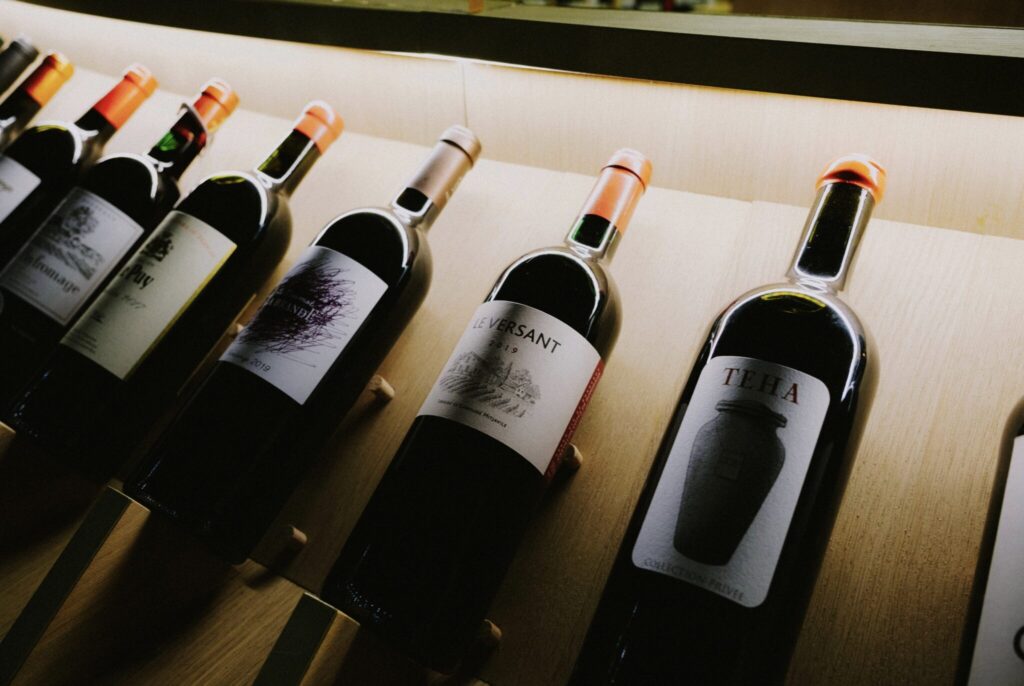
Checking fill level
Fill height is the first line of defence. Vision measures the liquid level against the base of the neck and flags any bottle that sits outside the target band. Because the check is dimensional rather than visual, it holds up across the different glass colours a winery runs, from clear rosé to deep green Bordeaux bottles that hide their contents from a casual glance.
Confirming the closure
Whether the winery uses natural cork, a synthetic stopper or a screw cap, the closure has to be fully home and undamaged. Imaging confirms the cork is driven to the right depth and sits level, or that a cap is seated and not cross-threaded. A closure that looks present but sits slightly high is exactly the kind of fault that leads to spoiled wine reaching a customer.
Reading the label
Labels carry both brand and legal information. Inspection checks that the front and back labels are present, positioned within tolerance, not torn or bubbled, and that the batch and vintage codes are legible. On a premium line, a label a few degrees off square is enough to reject, because presentation is part of the product.
Catching glass and fill faults together
Beyond the obvious checks, imaging watches for chips at the rim, cracks that catch the light, and foreign matter in the fill. Bringing these together at one station means a single pass can clear a bottle on several counts at once, rather than spreading the work across separate manual stops that each add labour and delay.
Turning inspection into records
Every graded bottle can leave a data trail: the fill reading, the closure result, an image of the label. Over a run this builds a picture of how the line is behaving, so a filler valve that is slowly drifting low shows up as a trend rather than a sudden batch of rejects. For a producer facing an audit or a retailer query, that record answers the question directly instead of relying on memory.
Common questions from wineries
Does the glass colour affect fill inspection?
It can, which is why the check is set up for each bottle type rather than assumed. Dark green and amber glass hide the liquid from plain sight, so the system uses lighting and a measurement tuned to see the level through that specific glass. Once configured, it reads each colour reliably.
Can one station check corks, screw caps and labels?
Usually yes, with the checks configured per product. A line that switches between cork and screw cap loads the matching recipe for the run, and label inspection runs alongside closure inspection at the same point. Changeover is a settings change rather than new hardware.
How does it handle premium versus everyday lines?
Mostly through tolerance. A premium line sets tighter limits on label position and fill so anything less than perfect is pulled, while a value line may accept a wider band to keep throughput high. The same equipment serves both by changing the thresholds, not the method.
How would inspection change your bottling line?
Look at where returns and complaints come from today, whether that is fill, closures or labels, and picture each of those checked on every bottle instead of a sample. If even one of those faults regularly reaches a customer, an inline check pays for itself in protected reputation long before it does in reduced scrap.