
Helping children develop an awareness of the environment is an important part of raising thoughtful and responsible individuals. As climate issues and sustainability become increasingly important topics worldwide, encouraging children to care for the planet from a young age can shape lifelong habits. By introducing simple practices and conversations at home, parents can help their children understand how their actions affect the world around them.
Teaching Environmental Awareness Early
Children are naturally curious about nature, making early childhood a great time to introduce ideas about caring for the environment. Simple discussions about recycling, protecting wildlife, or reducing waste can help children begin to understand the impact humans have on the planet.
Encouraging children to ask questions about where things come from, how items are made, and what happens to waste can spark meaningful conversations. These discussions help children see that small actions—such as switching off lights or reusing items—can contribute to protecting natural resources.
Schools such as Holmewood House often incorporate environmental awareness into their wider educational approach, encouraging pupils to consider sustainability and their role in protecting the natural world.
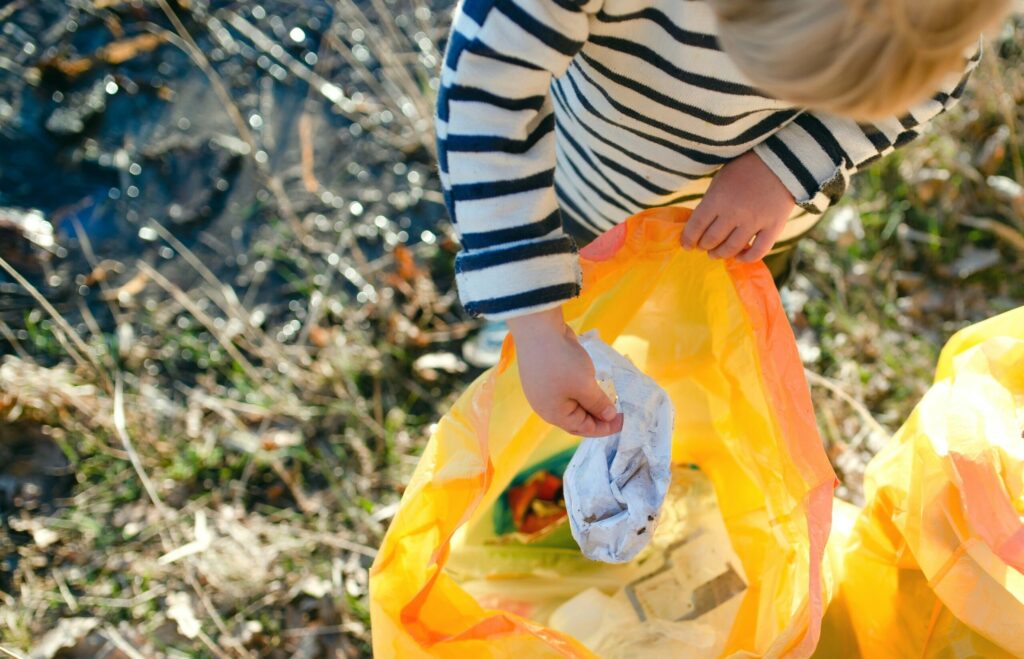
Encourage Sustainable Habits at Home
One of the most effective ways to teach environmental responsibility is by modelling sustainable behaviour. Children are far more likely to adopt eco-friendly habits when they see adults practising them regularly.
Families can start with small changes, such as reducing single-use plastics, recycling household waste, and conserving water and energy. Inviting children to take part in these routines can make them feel involved and responsible. For example, allowing them to help sort recycling or reminding the family to switch off unused lights can give them a sense of ownership.
Cooking together with locally sourced ingredients or growing herbs in the garden can also help children appreciate where food comes from and how natural resources are used.
Connecting Children with Nature
Spending time outdoors is one of the most powerful ways to nurture environmental awareness. When children build a connection with nature, they are more likely to care about protecting it.
Family walks in parks, forests, or countryside areas provide opportunities to observe wildlife and discuss the importance of natural habitats. Activities such as gardening, planting flowers for pollinators, or caring for houseplants can also encourage children to develop respect for living things.
Outdoor experiences help children understand that the environment is not just an abstract idea but something they interact with every day.
Encouraging Thoughtful Choices
As children grow older, parents can introduce deeper discussions about sustainability and responsible consumption. Talking about how products are produced, transported, and disposed of can help children understand the broader impact of everyday choices.
Encouraging children to reuse items, donate unused toys or clothes, and think carefully before buying new things can help them develop mindful habits. Schools, including many prep schools and private schools, increasingly support these ideas through environmental initiatives, eco clubs, and sustainability projects.
Ultimately, raising an environmentally conscious child is about creating awareness and building habits gradually. Through everyday conversations, shared experiences, and positive role modelling, families can help children develop a lasting respect for the planet and the responsibility to protect it.