
Spending time outdoors is one of the simplest ways to keep children active, curious, and creative. A garden or backyard can quickly become an art studio filled with colours, textures, and inspiration. Instead of buying craft supplies, families can use what nature already provides. Leaves, stones, twigs, flowers, and even soil can become the foundation for imaginative projects.
Backyard art activities are not only fun, they also help children slow down and notice the small details around them. Kids begin to see shapes in leaves, patterns in bark, and colours in petals that they might normally ignore. It encourages exploration and creativity while keeping the whole activity relaxed and low-cost.
If you are looking for simple ways to entertain children outdoors, here are several backyard art projects using natural materials that families can try together.
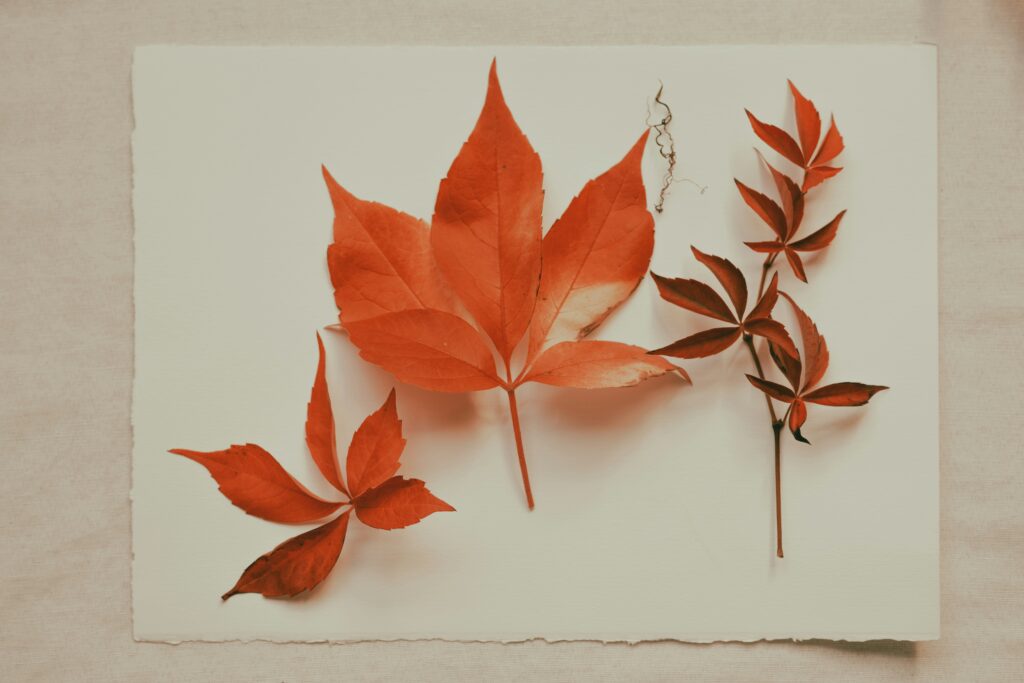
1. Leaf Printing and Painting
Leaves are one of the easiest natural materials to turn into art. Their shapes, textures, and veins create beautiful patterns when used for printing.
Start by asking children to collect different types of leaves from the garden. Encourage them to look for variety. Big leaves, tiny leaves, smooth ones, and jagged edges all create different effects.
Once you have a small collection, rinse the leaves and pat them dry. Then follow these steps:
- Paint the back of a leaf with washable paint.
- Place it paint-side down on paper.
- Press gently and peel it off.
The print left behind shows the leaf’s veins and natural structure. Children can experiment with layering different prints and colours. Some may want to turn the prints into animals, trees, or imaginary creatures.
This activity works well for younger children because it is simple and gives quick results.
2. Stone Painting
Stone painting is a favourite outdoor craft for many families. Smooth stones are easy to find in most gardens or local parks, and they make a perfect blank canvas.
After collecting stones, wash them and allow them to dry completely. Then provide acrylic paint, markers, or paint pens so children can decorate them.
Here are a few ideas to get them started:
- Painted ladybirds or bees
- Colourful patterns and shapes
- Mini landscapes or sunsets
- Funny faces
Children can keep their stones as garden decorations or place them along pathways. Some families even hide painted stones around the neighbourhood for others to find, which turns the activity into a small community treasure hunt.
3. Twig and Stick Sculptures
Twigs and small branches are perfect for building simple sculptures. Kids can use them to create structures, shapes, or tiny outdoor scenes.
Begin by gathering sticks of different lengths. Then provide materials that can help hold them together such as:
- String or yarn
- Clay or playdough
- Rubber bands
Children might build:
- Mini houses
- Stick people
- Small bridges
- Abstract sculptures
This type of project encourages problem solving and engineering skills as children figure out how to balance and connect the pieces.
You can even create a small “nature sculpture corner” in the garden where children can display their creations.
4. Nature Collage Art
A nature collage is a wonderful way to combine many different materials into one piece of artwork. Kids can gather items such as:
- Leaves
- Flower petals
- Grass
- Seeds
- Bark pieces
- Small feathers
Give them a sheet of cardboard or thick paper and some glue. Then let them arrange their materials however they like.
Some children enjoy creating pictures such as trees, animals, or houses. Others may prefer abstract patterns and colours.
Nature collages help children explore textures. Smooth petals, rough bark, and thin grass all feel different, which adds another sensory element to the activity.
If you want to extend the project, encourage children to create seasonal collages using materials that reflect the time of year.
5. Mud Painting
Mud painting may sound messy, but it is one of the most exciting natural art activities for children. It allows them to explore creativity without worrying about perfection.
To start, mix soil with a little water in a container until it forms a thick paste. Children can then use sticks, old paintbrushes, or even their fingers to paint with the mud.
Surprisingly, different soils create different shades of brown and grey. Kids can experiment with adding crushed leaves, sand, or flower petals to change the texture.
They might paint on:
- Paper
- Cardboard
- Flat stones
- Wooden boards
Since the materials come from the garden, there is no pressure about making a mess. Just keep a hose or bucket of water nearby for cleaning up afterwards.
6. Flower Pressing and Natural Cards
Flower pressing is a slower craft, but it produces beautiful results that children can use later.
Begin by collecting small flowers and leaves. Place them between sheets of baking paper inside a heavy book. After about one to two weeks, the flowers will be flattened and dry.
Children can then use the pressed flowers to decorate handmade cards, bookmarks, or small framed pictures.
For example, they might:
- Create a birthday card for a grandparent
- Decorate a bookmark for school
- Make simple framed artwork for their bedroom
This activity also teaches patience because the final result takes time.
7. Bark and Texture Rubbings
Tree bark holds interesting patterns that many children have never noticed before. Bark rubbings are a quick and creative way to capture those textures.
Take a sheet of paper and hold it against the bark of a tree. Then rub the side of a crayon over the paper. The texture underneath will appear as a pattern.
Children can experiment with different trees and colours. Once they have several rubbings, they can cut them out and turn them into a collage or background for a drawing.
This activity helps children pay closer attention to the natural details around them.
8. Natural Mandala Designs
Mandala art involves arranging objects in circular patterns. Using natural materials makes this activity especially calming and creative.
Ask children to gather items such as:
- Leaves
- Pebbles
- Pinecones
- Petals
- Seeds
Find a flat surface in the garden and start placing the materials in a circular design. Children can build patterns that grow outward from the centre.
There is no right or wrong way to do it. Some designs may be neat and symmetrical, while others may be more random and playful.
Mandala art teaches children about patterns, balance, and patience.
9. Creating Mini Nature Worlds
One of the most imaginative backyard projects is building tiny nature worlds. Using natural materials, children can create miniature scenes or habitats.
For example, they might build:
- A fairy garden
- A tiny forest village
- A dinosaur landscape
- A woodland animal home
Twigs can become fences, stones can become houses, and moss can become grassy fields.
These small worlds encourage storytelling. Once the scene is finished, children often invent characters and adventures within the space.
Safety and Practical Tips for Parents
While backyard art projects are simple, a few small precautions can make them safer and more enjoyable.
First, remind children to collect materials responsibly. Avoid picking large numbers of living flowers or damaging plants. Instead, focus on fallen leaves, loose twigs, or small natural items already on the ground.
Second, supervise younger children when using paints, glue, or scissors. It also helps to set up a specific area for crafting so materials do not spread across the entire garden.
If children are collecting items near outdoor eating areas or vegetable patches, it is worth keeping general food hygiene and safety habits in mind, such as washing hands after handling soil or plants.
Parents should also be aware of insects or ants that may appear while children are working outside. Good garden maintenance and sensible pest control practices can help keep outdoor play spaces comfortable and safe.
Why Natural Art Activities Are Valuable for Children
Using natural materials for art does more than fill an afternoon. It supports important areas of child development.
First, it strengthens creativity. Without pre-made craft kits or instructions, children must invent their own ideas.
Second, it encourages observation. Kids start to notice shapes, colours, and textures in nature.
Third, it builds a connection with the environment. When children regularly use leaves, stones, and flowers for creative projects, they become more aware of the natural world around them.
Finally, these activities create opportunities for families to spend time together outside. Parents can join in, offer suggestions, or simply watch children explore their imagination.
Turning Your Backyard Into a Creative Space
You do not need a large garden to enjoy these projects. Even a small outdoor space can become a place for creativity.
Consider setting up a simple “nature art box” with items like:
- Paper and cardboard
- Child-safe glue
- Washable paints
- String and scissors
Children can then add natural materials they collect during playtime.
Over time, the backyard becomes more than just a place to run around. It becomes a space where imagination, exploration, and creativity come together.