
Education is evolving rapidly, and virtual schools are becoming a more mainstream option for families seeking flexible learning solutions. But is it the right choice for your child? Here’s a closer look at what virtual schooling involves and the factors to consider.
What Is a Virtual School?
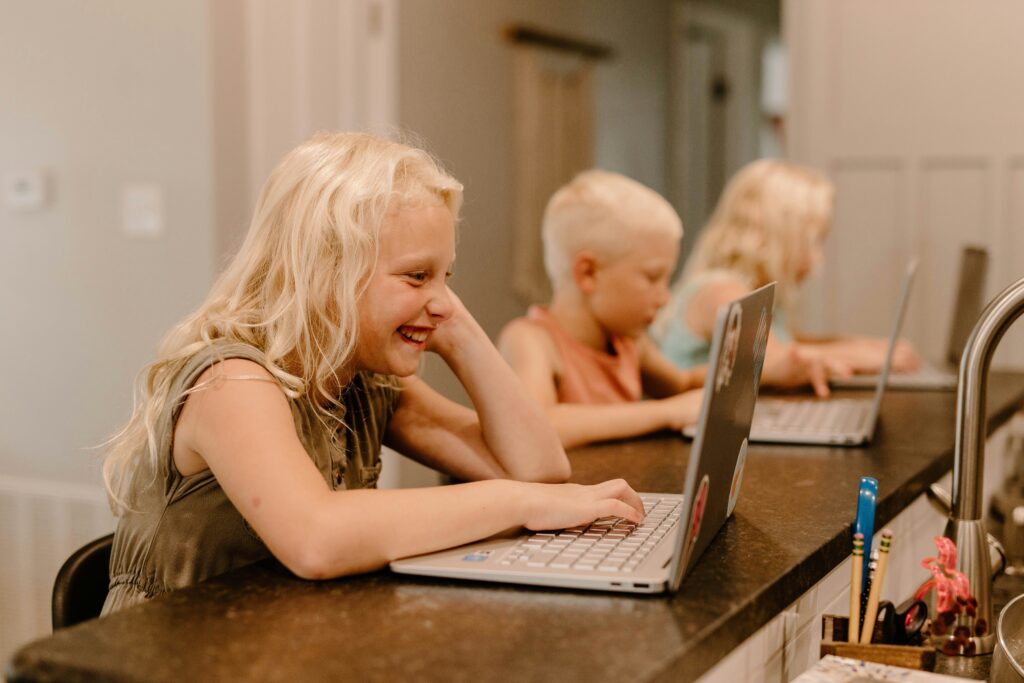
A virtual school, sometimes called an online school, delivers lessons entirely through the internet. Instead of attending a physical classroom, students access lessons, resources, and assessments through a digital platform. Classes are often a mix of live lessons with teachers and pre-recorded materials that can be accessed at any time.
Virtual schools can cater to a wide range of learners – from those who travel frequently or live in remote areas, to children who struggle in traditional classroom settings due to health or social reasons.
Flexibility and Personalised Learning
One of the biggest advantages of virtual schools is flexibility. Students can often set their own pace and schedule, which can be particularly beneficial for those balancing other commitments, such as sports, music, or acting.
Personalised learning is another key feature. Teachers can tailor lessons to a child’s strengths and weaknesses, allowing them to progress faster in areas they excel in and receive extra support where needed. This level of customisation is harder to achieve in larger, conventional classrooms.
Social Interaction and Extracurricular Opportunities
A common concern for parents is whether virtual schooling can provide sufficient social interaction. While students may miss the day-to-day camaraderie of a physical school, many virtual schools offer online group projects, clubs, and social events to encourage connection.
Parents may also choose to supplement virtual learning with community activities, sports clubs, or local tuition groups, ensuring their child develops social skills alongside academic knowledge.
Considerations Before Choosing a Virtual School
Before enrolling, it’s important to weigh the pros and cons. Virtual schooling requires self-motivation, discipline, and reliable access to technology. Some children thrive in this environment, while others may struggle without the structure of a traditional classroom.
Accreditation and curriculum are also crucial. Ensure the school meets national educational standards and provides recognised qualifications, especially if your child plans to pursue further education in the UK or abroad.
Is Virtual Schooling Right for Your Child?
Ultimately, the suitability of a virtual school depends on your child’s learning style, personality, and needs. It can be a highly effective solution for independent, self-driven learners who value flexibility. However, it may not be the best fit for children who thrive on daily face-to-face interaction and a structured routine.
Exploring trial lessons or speaking to other parents who have experience with virtual schools can help you make an informed decision. Combining online learning with real-world experiences can often provide a balanced approach, giving your child both academic progress and social development.
Virtual schooling is no longer a niche option – it’s a valid alternative in a world where education is becoming increasingly adaptable. With careful consideration and planning, it could be the right choice for your child’s unique journey.