
The magic of Seychelles reveals itself entirely only when travelers venture beyond a single island. Each landmass within this scattered archipelago possesses a distinct character, from granite peaks shrouded in endemic palms to beaches where powder-soft sand meets impossibly blue water. The inner islands form a triangle that locals navigate regularly, moving between Mahé, Praslin, and La Digue with practiced ease. Understanding their methods transforms a typical vacation into an authentic exploration.
Transportation options range from scheduled ferries that connect major islands to private arrangements through services like Seychelles boat rental and similar providers. The proximity of inner islands makes multi-destination visits feasible even within short timeframes. Ferry journeys rarely exceed one hour, allowing travelers to wake on different shores without sacrificing precious vacation days to transit.
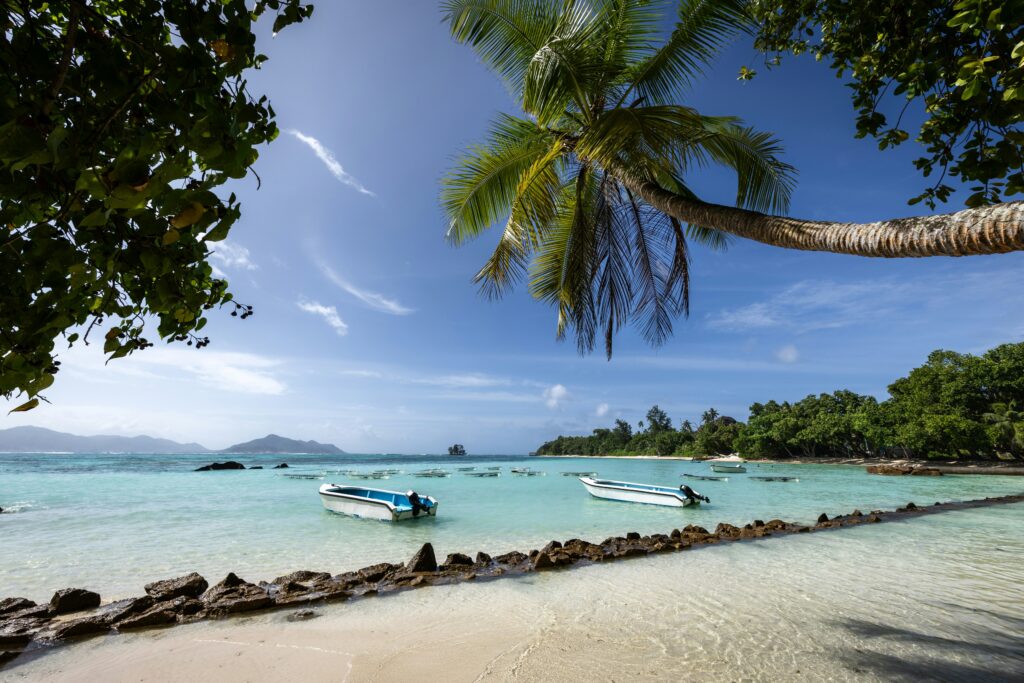
Navigating Between Islands
The Cat Cocos ferry operates multiple daily crossings between Mahé and Praslin, departing from Inter-Island Quay in Victoria and arriving at Baie Ste Anne approximately one hour later. Locals recommend booking online during peak seasons, though walk-up availability exists during quieter months. The vessel offers both economy and premium seating, with experienced travelers choosing positions near the center where motion feels less pronounced during rough crossings.
From Praslin to La Digue, smaller ferries make the 15-minute journey throughout the day. This short hop requires no booking under normal circumstances, with vessels departing regularly from early morning through late afternoon. The La Passe jetty serves as the arrival point, placing visitors directly in the heart of the island’s main settlement. Bicycle rental shops cluster near the dock, recognizing that most visitors will secure two-wheeled transportation immediately upon landing.
Weather patterns significantly influence ferry operations. The transition months of April, May, October, and November provide the calmest seas, while monsoon periods bring occasional cancellations when swells exceed safe operating conditions. Locals check weather applications religiously before committing to ferry travel, maintaining flexible schedules that accommodate last-minute changes.
Exploring Praslin
Praslin stretches larger than many visitors anticipate, making some form of motorized transport necessary for comprehensive exploration. Rental cars offer the most incredible freedom, while the local bus system provides budget-friendly alternatives for those comfortable with less predictable schedules. The island curves around numerous bays, each hosting beaches with distinct personalities.
Vallée de Mai occupies the island’s interior, protecting the primeval forest where coco de mer palms grow in their natural habitat. This UNESCO World Heritage site attracts steady streams of visitors throughout the day, though early morning arrivals encounter fewer crowds and better wildlife viewing opportunities. The walking paths wind through cathedral-like groves where rare black parrots call from canopies overhead.
Beaches define Praslin’s appeal. Anse Lazio earns frequent recognition as one of the world’s finest strands, where granite boulders frame crescents of pale sand and turquoise shallows. The northern end provides the best swimming, while photographers favor the southern rocks during golden hour. Côte d’Or offers calmer waters and a longer beach suitable for extended walks. Anse Georgette requires reservations through Constance Lemuria resort but rewards the effort with relative solitude and stunning scenery.
Day trips from Praslin reach several protected islands. Curieuse Island hosts giant tortoises that lumber freely across beaches and through the island’s interior. Boats depart regularly, combining tortoise encounters with mangrove boardwalk explorations and snorkeling stops. Cousin Island operates as a strictly managed nature reserve where guided tours introduce visitors to endemic bird species and conservation success stories. Aride Island attracts serious birders during seabird nesting seasons, though access depends on weather conditions and advance bookings.
Experiencing La Digue
La Digue operates on a different rhythm. Limited vehicle traffic means bicycles dominate transportation, with the island’s compact size making two-wheeled exploration entirely practical. The main road encircles most of the coastline, while smaller paths branch toward remote beaches and through the interior. Rental shops offer everything from basic cruisers to mountain bikes equipped for rough terrain.
Anse Source d’Argent ranks among the planet’s most photographed beaches, accessed through L’Union Estate after paying a modest entrance fee. The iconic granite formations create countless compositions for photographers, while shallow lagoons between rocks provide safe swimming areas. Visiting during early morning or late afternoon avoids peak crowds and captures optimal lighting conditions.
The hike connecting Grand Anse, Petite Anse, and Anse Cocos challenges cyclists who must leave bicycles behind and continue on foot. The trail climbs over headlands and descends to three distinct beaches, each offering different experiences. Grand Anse impresses with its expansive length but requires caution due to strong currents. Petite Anse nestles in a protected cove with safer swimming. Anse Cocos rewards the most effort, remaining relatively isolated despite its beauty.
Village life centers on La Passe, where small shops, guesthouses, and restaurants cluster near the ferry jetty. The slower pace encourages lingering, whether watching traditional boat builders work at the shipyard or browsing fruit stands selling produce from island gardens. Takeaway counters serve affordable Creole meals, while beachfront establishments offer more elaborate dining experiences with sunset views.
Yacht Charter Adventures
Chartering a yacht eliminates ferry schedule constraints and unlocks access to islands rarely visited by day-trippers. Multi-day charters create floating bases from which to explore, with crews handling navigation while passengers focus on experiences. Anchoring in isolated bays means swimming directly from the vessel, snorkeling pristine reefs without crowds, and discovering beaches accessible only by sea.
Crewed charters prove particularly valuable for families or groups combining divers with non-divers, as vessels accommodate varied interests simultaneously. Professional captains leverage local knowledge to identify optimal anchorages based on current weather patterns and wind directions. Many charters include meal preparation, transforming dining into social events shared on deck beneath star-filled skies.
Week-long circuits typically incorporate Praslin, La Digue, Curieuse, and satellite islands like Félicité and Marianne. Extended charters venture toward Silhouette or outer islands when conditions permit. The flexibility allows adjustments based on preferences that emerge during the voyage, whether spending extra time at a particularly appealing anchorage or altering course to follow whale shark sightings.
Day charters offer abbreviated yacht experiences without overnight commitments. These excursions suit those wanting to sample vessel-based exploration while maintaining land accommodations. Catamarans provide stable platforms popular with families, while monohulls appeal to sailing enthusiasts seeking authentic wind-powered travel.
Practical Considerations
Cash remains essential despite growing electronic payment acceptance. ATMs exist only on Mahé and Praslin, making advance withdrawal crucial before visiting La Digue or smaller islands. Most guesthouses and small restaurants operate cash-only, though larger establishments accept credit cards.
Luggage management requires attention when ferry-hopping. Space constraints on smaller vessels and the likelihood of spray during choppy crossings make waterproof bags valuable investments. Packing light simplifies movements between islands, particularly when navigating bicycle baskets or walking distances from ferry docks to accommodations.
Mobile coverage varies significantly by location. Purchasing local SIM cards provides reliable connectivity on major islands, though expecting consistent service on remote beaches or smaller islands leads to disappointment. Downloading offline maps before departure prevents navigation difficulties when cellular signals fade.
Weather flexibility proves essential for successful island hopping. Monsoon seasons bring periodic ferry cancellations, requiring backup plans and loose schedules. The most satisfied travelers embrace spontaneity, adjusting itineraries based on conditions rather than rigid adherence to predetermined plans. Building buffer days into schedules accommodates unexpected delays without causing missed flights or undue stress.