
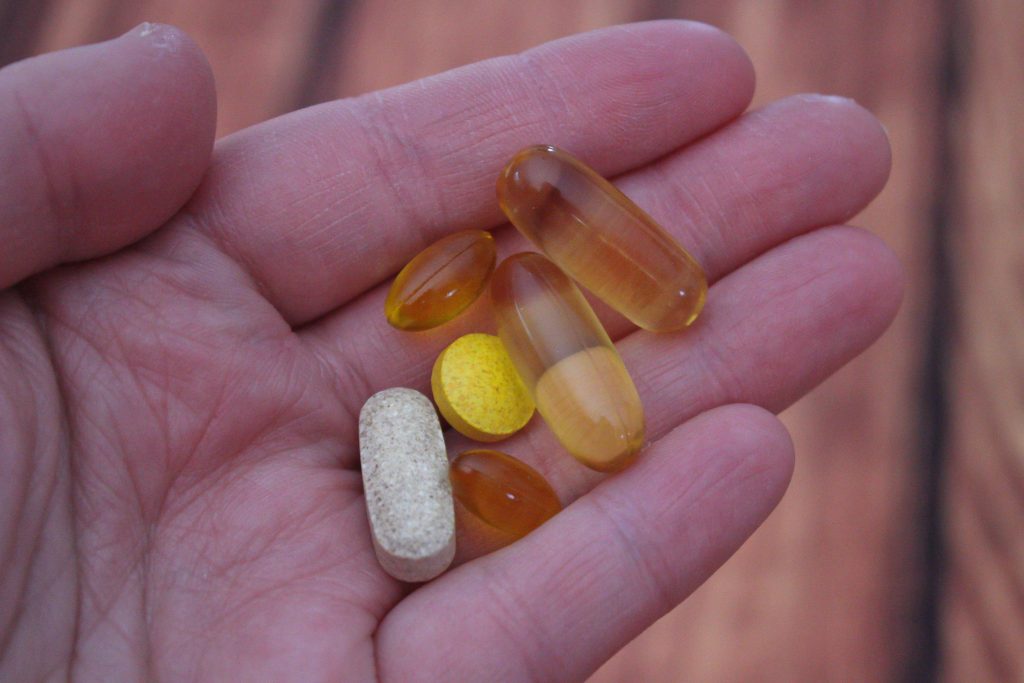

Various types of dietary supplements are gaining more and more popularity among different kinds of people. According to the field experts from The Supplement Reviews, the supplements market isn’t done growing yet. People are looking for help for multiple reasons – they want to lose weight, avoid catching colds, improve the state of their hair and nails, or simply be healthier. But not all supplements work, not all working supplements work for all people, and not everybody should take them; it may be enough to eat a balanced, healthy diet. So how can you make that decision? When should you start taking Custom Supplements?
Folic acid supplements
When you find out that you’re pregnant, you stop using contraception, because you’re trying for a baby, or there’s a chance that you may get pregnant, it’s recommended by the doctor to take folic acid supplement; some say that every woman in childbearing age should take it.
Take a 400 microgram supplement until you’re 12 weeks pregnant. Folate levels tend to drop during that time and it can lead to neural tube defects in babies (malformations of their brains or spines/spinal cords). Apart from that, folic acid may help you lower the risk of certain cancers, and reduce homocysteine.
Vitamin D supplements
During warmer months of spring and summer, you probably get the proper amount of vitamin D thanks to the sunlight. However, for the rest of the year, you should still provide your organism with all the necessities, including vitamin D. Even the healthiest, most balanced diet may not be enough for it, that’s why doctors often recommend their patients to take supplements containing 10 micrograms of vitamin D. There are also some cases where people are advised to take them throughout the whole year. For example, a breastfed baby should get 8.5-10 micrograms from birth, even when mother is already taking it, 10 micrograms should be given to all children up to 4 years old, and to those who aren’t, for some reasons, exposed to the sun regularly. Vitamin D also helps your body to absorb calcium, so it strengthens your bones, and it’s not easy to find in food.
Vitamin B supplements
Vitamin B can be helpful when you’re looking for a way to boost your energy levels and cope with stress. There are eight different types of vitamin B, and each of them has some different properties, so normally you will be advised to take several. You can also find some combinations. But it’s important to determine whether there isn’t another cause for your low energy and anxiety.
Vitamin B-12 can help you keep nerves and blood cells healthy, and should be taken by people over age 50. It’s also recommended to take vitamin B-12 supplement if you’re vegan, as most people get it from meat.

Vitamins A, C, E supplements
Normally, children up to age 6 should take a dose of these three vitamins every day. Apart from that, doctors may advise taking them in some medical conditions, e.g., anemia. The right amount of these vitamins can keep you healthy and protect you from various conditions, but the excess may actually be harmful. Too much of vitamin A can be toxic for your body, but the proper amount can help with keeping your eyes and skin healthy, and improving your immune system.
Zinc supplements
Zinc is actually more helpful and useful in preventing cold than vitamin C which is widely-believed to do so. Its minerals interfere with the replication of rhinoviruses, so it does not only prevent, but can also treat cold.
Calcium supplements
Calcium is essential for keeping your bones strong and healthy. Most people can get enough of it by eating dairy products, but if you have shortages or you’re a woman (especially with osteoporosis), you may consider taking supplements.
Iron supplements
Iron is especially important in the case of iron deficiency anemia. When it comes to prevention, it’s recommended to take iron supplements if you have poor absorption, heavy menstrual periods, you’re pregnant or your diet is low in iron.
Vitamin K
This one is also important, but its benefits and risks are not as widely known as in the case of vitamin C or D. It’s not easy to provide your organism with it by only eating the right food. Vitamin K helps with blood clotting, bone metabolism and calcium regulation.
While dietary supplements can be of great help to your health, it is important to always consult with a doctor. Remember that more doesn’t always mean better. It’s hard to overdose supplements, but you can do some damage to your organism if you aren’t careful. For example, there are some medicines that don’t react well with the excess of vitamins, or maybe you don’t even know that you already provide yourself with enough vitamins with your diet. So be sure that you really need to take supplements, and that you choose those of high-quality.