
Trees are an indispensable part of sustainable gardening, offering far more than just aesthetic appeal.
They play a critical role in maintaining ecological balance, enhancing biodiversity, and mitigating climate change.
Initiatives like Trees for a Change exemplify how reforestation efforts can restore ecosystems while fostering a deeper connection between humans and nature.
In this article, we will explore the multifaceted benefits of trees in sustainable gardening and how reforestation projects contribute to thriving local ecosystems.
Why Are Trees Essential in Sustainable Gardening?
Trees are foundational to any sustainable garden. Their presence fosters a harmonious relationship between the environment and human activity.
Here’s why they are vital:
- Carbon Sequestration: Trees absorb carbon dioxide during photosynthesis, storing it as biomass and reducing greenhouse gas levels.
- Soil Health: Tree roots prevent soil erosion, while fallen leaves enrich the soil with organic matter.
- Water Management: Trees improve water retention in the soil and reduce surface runoff, mitigating the risk of floods.
- Biodiversity Support: Trees provide habitats for birds, insects, and other wildlife, creating a balanced ecosystem.
Including trees into your garden is not just an environmental choice; it’s a step toward creating a resilient and self-sustaining green space.
Reforestation: A Pathway To Restoring Local Ecosystems

Reforestation involves planting trees in areas that have been deforested or degraded. This practice is pivotal for reversing environmental damage and enhancing biodiversity.
For example:
- Habitat Restoration: Reforestation projects bring back native species and create habitats for wildlife.
- Climate Regulation: Forests act as natural air conditioners by moderating temperatures and increasing local rainfall.
- Water Cycle Maintenance: Tree canopies intercept rainfall, reducing evaporation and ensuring steady groundwater replenishment.
Organizations like Trees for a Change focus on replanting forests destroyed by natural disasters or human activity, directly contributing to ecosystem recovery.
Practical Tips For Integrating Trees Into Your Garden
Sustainable gardening starts with thoughtful tree selection and care.
Here are actionable steps to make your garden tree-friendly:
- Choose Native Species: Native trees are well-adapted to local climates and require less maintenance.
- Plant Strategically: Position trees to provide shade for your home or garden beds, reducing energy costs and water evaporation.
- Use Organic Mulch: Mulching around trees conserves moisture, improves soil fertility, and prevents weed growth.
- Water Wisely: Newly planted trees need regular watering until their roots establish. Use rainwater collection systems to minimize waste.
By implementing these practices, you can create a garden that thrives while supporting broader environmental goals.
The Role of Trees in Enhancing Biodiversity
Trees are biodiversity hotspots that support a wide range of flora and fauna.
Here’s how they contribute:
- Pollinator Support: Flowering trees attract bees, butterflies, and other pollinators essential for plant reproduction.
- Wildlife Habitat: Birds nest in tree canopies, while insects find shelter in bark crevices.
- Food Sources: Many trees bear fruits or nuts that sustain wildlife through different seasons.
Including diverse tree species into your garden can mimic natural ecosystems, providing year-round resources for local wildlife.
Reforestation Success Stories
Reforestation projects worldwide demonstrate the transformative power of planting trees.
For instance:
- In Kenya’s Mirema Forest, community-led efforts have restored 50% of the forest by planting 300,000 trees over five years. This initiative has improved biodiversity and stabilized local water cycles.
- In Rwanda’s Bisate Reforestation Program, over 43,000 indigenous trees have been planted near Volcanoes National Park, leading to the return of bird and mammal species previously displaced by deforestation.
These examples highlight how collective action can yield significant environmental benefits.
How Trees Combat Climate Change
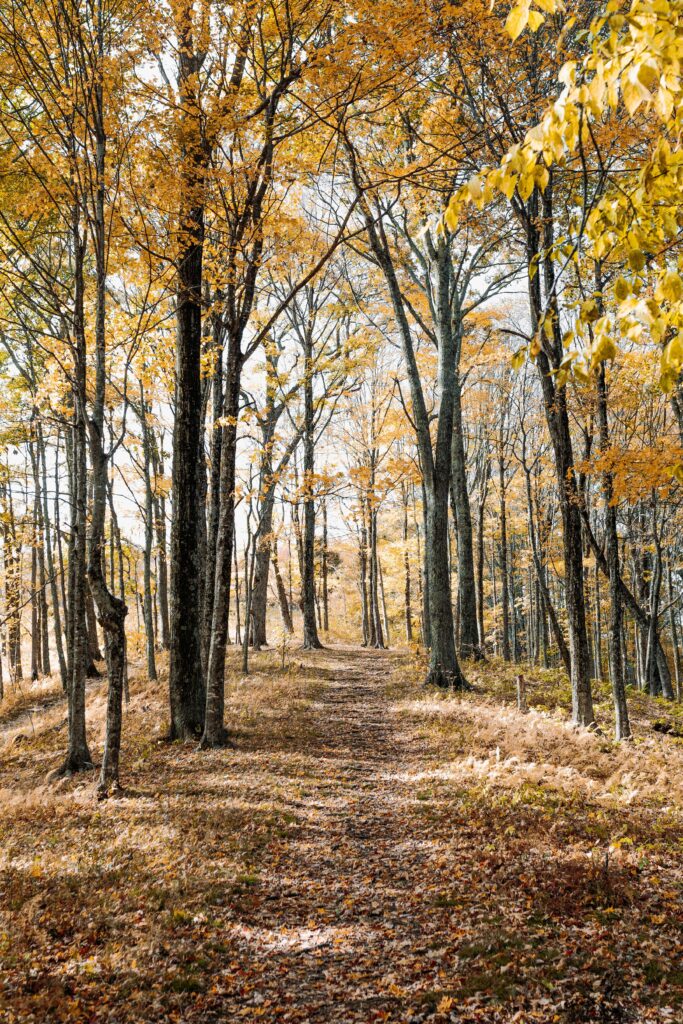
Trees are nature’s most effective tool for combating climate change.
They absorb carbon dioxide from the atmosphere, acting as carbon sinks that offset human emissions.
Additionally:
- Mature trees store more carbon than younger ones, emphasizing the importance of preserving existing forests alongside replanting efforts.
- Trees cool urban areas by providing shade and reducing heat island effects caused by concrete surfaces.
By planting trees in your garden or supporting reforestation initiatives like Trees for a Change, you contribute directly to global climate mitigation efforts.
Creating Resilient Gardens Through Tree Planting
A sustainable garden is one that adapts to environmental challenges while supporting local ecosystems.
Trees enhance garden resilience by:
- Protecting against soil erosion during heavy rains.
- Providing windbreaks that shield delicate plants from harsh weather.
- Offering shade that reduces water loss from soil and plants during hot summers.
Strategically planting trees ensures that your garden remains vibrant even under changing climatic conditions.
The Social Impact of Reforestation
Beyond environmental benefits, reforestation projects have profound social implications:
- They create jobs in tree nurseries and planting initiatives.
- Communities gain access to resources like fruits, nuts, and medicinal plants from restored forests.
- Educational programs associated with reforestation teach sustainable practices to future generations.
By supporting organizations like Trees for a Change, you not only help restore forests but also empower communities dependent on these ecosystems.
Conclusion
Trees are indispensable allies in sustainable gardening and ecosystem restoration.
From improving soil health to combating climate change, their contributions are unparalleled.
By integrating trees into your garden or supporting reforestation efforts like those championed by Trees for a Change, you take an active role in fostering a healthier planet for future generations.
Let us embrace the power of trees—not just as symbols of life but as essential components of our shared environment.
Together, through thoughtful gardening practices and reforestation initiatives, we can cultivate greener spaces that benefit both nature and humanity.